
Day 1 :
Keynote Forum
Vakhtang Barbakadze
Tbilisi State Medical University, Georgia
Keynote: Biomacromolecule poly[3-(3,4-dihydroxyphenyl)glyceric acid] with potential therapeutic effect
Time : 08:40-09:05

Biography:
V Barbakadze has completed his PhD and DSci in 1978 and 1999 from Zelinsky Instiute of Organic Chemistry, Moscow, Russia and Durmishidze Institute of Biochemistry and Biotechnology, Tbilisi, Georgia, respectively. From 2006, till to date he is the head of laboratory of plant biopolymers at the Tbilisi State Medical University Institute of Pharmacochemistry. In 1996 and 2002, he has been a visiting scientist at Utrecht University (faculty of pharmacy), The Netherlands, by University Scholarship and The Netherlands organization for scientific research (NWO) Scholarship Scientific Program, respectively. He has published more than 73 papers in reputed journals.
Abstract:
The high molecular (>1000 kDa) water-soluble preparations from different species (Symphytum asperum, S. caucasicum, S. officinale, S. grandiflorum and Anchusa italica) of Boraginaceae family were isolated. According to 13C, 1H NMR, 2D heteronuclear 1H/13C SQC spectral data and 1D NOE experiments their main chemical constituent was found to be poly[oxy-1-carboxy-2-(3,4-dihydroxyphenyl)ethylene] or poly[3-(3,4-dihydroxyphenyl)glyceric acid] (p-DGA). The polyoxyethylene chain is the backbone of this polymer molecule and 3,4-dihydroxyphenyl and carboxyl groups are regular substituents at two carbon atoms in the chain. The repeating unit of this regular polymer is 3-(3,4-dihydroxyphenyl)glyceric acid residue. This compound is a first representative of a new class of natural polyethers. Then the racemic monomer 2,3-dihydroxy-3-(3,4-dihydroxyphenyl)propionic acid (DDPPA) and its virtually pure enantiomers (+)-(2R,3S)-2,3-dihydroxy-3-(3,4-dihydroxyphenyl)propionic acid and 2S,3R)-2,3-dihydroxy-3-(3,4-dihydroxyphenyl)propionic acid were synthesized for the first time via Sharpless asymmetric dihydroxylation of trans-caffeic acid derivatives using an osmium catalyst, a stoichiometric oxidant N-methylmorpholine-N-oxide and enantiocomplementary catalysts cinchona alkaloid derivatives (DHQ)2-PHAL and (DHQD)2-PHA as chiral auxiliaries. p-DGA has wide spectrum of biological activity: anticomplementary, antioxidant, anti-inflammatory properties, burn and wound healing effect. p-DGA and DDPPA exerted anti-cancer efficacy in vitro and in vivo against androgen-dependent and –independent human prostate cancer (PCA) cells via targeting androgen receptor, cell cycle arrest and apoptosis without any toxicity, together with a strong decrease in prostate specific antigen level in plasma. However, our results showed that anticancer efficacy of p-DGA is more effective compared to its synthetic monomer. Overall, this study identifies p-DGA as a potent agent against PCA without any toxicity, and supports its clinical application.
Keynote Forum
Zivko Nikolov
Texas A&M University, USA
Keynote: Protein-specific approach to osteopontin purification from Chlamydomonas reinhardtii

Biography:
Dr. Zivko Nikolov received his PhD degree in chemical engineering from the Iowa State University and is currently Dow Professor in Bioprocess Engineering at Texas A&M University. He is Associate Director of the National Center for Therapeutic Manufacturing at Texas A&M.rnBefore joining Texas A&M in 2003, he was Vice President of Bioprocess Development with ProdiGene Inc. Dr. Nikolov has published more than 90 scientific articles and book chapters in the area of bioprocess engineering and protein recovery. He is a recognized expert in bioprocessing of transgenic plants for production of high-value protein products and therapeutic proteins.
Abstract:
Microalgae in recent years have gained interest as a potential protein expression platform. Eukaryotic microalgae - Chlamydomonas reinhardtii, having a GRAS status, exemplifies the potential of this expression system to produce a variety of therapeutic proteins including vaccines and monoclonal antibodies. Our study focuses on osteopontin (OPN), a versatile extracellular structural protein, cancer biomarker, promoter of cell-mediated immunity, and potential therapeutic protein. OPN is an acidic intrinsically disordered extracellular glycoprotein found in many human tissues and body fluids including bone, skin, urine, milk and blood. The chloroplast of C. reinhardtii has the ability to phosphorylate proteins – a crucial posttranslational modification for in-vivo biomineralization and presumably functional integrity of osteopontin. This study describes the development of a purification process leveraging the unique properties of the target recombinant protein. Osteopontin being a highly acidic protein, much like the majority of host protein in C. reinhardtii, combined with the susceptibility to proteolytic degradation makes the purification development both challenging and intriguing. In an attempt to stabilize and partially purify osteopontin in the algal lysate, we screened several extract pretreatment methods. The impact of pretreatments on osteopontin yield, proteolytic stability and removal of host cell impurities will be presented. We also report and compare capture chromatography of OPN on anion exchange, hydroxyapatite, and Fe- and Ga- immobilized metal affinity resins that were selected to leverage osteopontin’s unique biochemical and structural properties.
Keynote Forum
Injae Shin
Yonsei University, Korea
Keynote: Carbohydrate microarrays for study of glycan associated biological events
Time : 09:05-09:30

Biography:
Injae Shin received his PhD in 1995 from University of Minnesota, USA. After his PhD, he moved to University of California, Berkeley, as a Post-doctoral fellow. In 1998, he was appointed as an Assistant Professor of Department of Chemistry at Yonsei University. Since 2010, he is the Director of National Creative Research Initiative Center for Biofunctional Molecules in the field of Chemical Biology. He has published more than 100 papers in reputed journals and has been serving as an Editorial Board Member of Chemical Society Reviews, ChemBioChem and Molecular BioSystems.
Abstract:
Glycans are involved in various physiological processes through interactions with proteins. Importantly, glycan-mediatedrnbiomolecular interactions play key roles in a number of pathological processes. Accordingly, details of glycan-protein interactionsrnprovide deep insights into the understanding of glycan-associated biological events at the molecular level. For rapid analysis ofrnglycan-mediated recognition events, we have constructed carbohydrate microarrays that consist of diverse glycans densely attachedrnto the solid surface in an orderly arrangement. The notable advantage of the carbohydrate microarray-based technology includes thernsimultaneous analysis of many glycan-protein interactions by using a small amount of carbohydrate samples. The prepared microarraysrn were incubated with proteins or cells to probe glycan-protein or glycan-cell interactions. We have showed that glycan microarrays arernvery powerful tools for studies glycan-mediated recognition events in a high-throughput manner. In this presentation, I will discussrnthe recent applications of glycan microarrays for functional glycomics research.
- Track 1: Fundamentals of Organic Chemistry
Track 2: Inorganic Chemistry
Track 3: Analytical Chemistry
Location: Olimpica 1 & 2

Chair
Ionel I Mangalagiu
Al.I.Cuza University of Iasi, Romania

Co-Chair
Maia Merlani
Tbilisi State Medical University, Georgia
Session Introduction
Jarintzi Yared Rico Ruiz
Euro-Nutec Premix SA de CV, Mexico
Title: An innovative method for the extraction and quantification of curcuminoids from a complex matrix
Time : 09:30-09:50

Biography:
Jarintzi Rico has completed her Master at the age of 26 years from CICATA-IPN-Querétaro. She is instrumental methods analyst at Euro-Nutec Premix S A de CV, Queretaro Mexico.
Abstract:
In recent years because of the increasing resistance and regulations on the use of antibiotics in animal feed, plant extracts have gained a lot of attention as an effective substitute to antibiotic growth promoters in animal nutrition. Due to the low inclusion levels of essential oils in products, extraction and quantification of the active compounds become a major challenge. As different steps involved in the process can be destructive and affect the properties of natural extracts, its important to have a precise way to quantify the active compounds. In this study a quick and easy method was developed to extract curcuminoids (Bisdemetoxycurcumin-BDMC, Demetoxicurcumin-DMC and Curcumin-CUR) from complex matrix, wich were quantified by Reverse phase Ultra Performance Liquid Cromatography coupled to Mass Spectrometry. For curcuminoids extraction 20g of sample with 60 ml of solvent was deposited in teflon flask, closed and placed in a autoclave for 2 minutes at sterilization temperature, cool down and evaporate with nitrogen until 2 ml remain, filter and analyze. For the 3 curcminoids in premix and feed, the extraction recovery for this method ranged from 94.5 to 99.3 % with relative standard deviation <5% and the detection limit was achieved at levels of micrograms of curcuminoid per gram of sample. Compared to soxhlet extraction method, the method developed offers the advantage of short time and reduced amount of organic solvents used. This metod colud be used to determinate the curcuminoids on complex matrix, wich is needed to evaluate the quality and control of the final products.
Radovan Buffa
Contipro Pharma, Czech Republic
Title: Conjugates of hyaluronic acid with tyramine synthesis and application
Time : 09:50-10:10

Biography:
Radovan Buffa has completed his PhD in 2002 from Comenius University in Bratislava, Slovakia and postdoctoral studies from ETH Zurich, Switzerland. Last 7 years he is the head of the Department of Chemical modification in the Contipro Pharma Company, Czech Republic. He has published more than 15 papers in reputed journals and he is author/co-author of more than 20 patents.
Abstract:
Hyaluronic acid (HA) is a natural linear polyglycosaminoglycan composed of repetitive disaccharide units, each consisting of N-acetyl-D-glucosamine and D-glucuronic acid. This polysaccharide is an important part of the extra-cellular matrix, vitreous humour and skin. HA modified with a tyramine moiety (HA-tyr) is a biocompatible polymer soluble in water, widely used for many biomedicinal applications. The main advantage of the HA-tyr is its ability to react with various phenolic groups under physiological conditions. This capability has been extensively used mainly for the preparation of biodegradable hydrogels using cross-linking reactions between tyramine molecules. This work presents a simple and effective method for synthesis of HA-Tyr conjugates connected via C6 linker: Tyramine is condensed with 6-aminohexanoic acid and the final substrate is attached on HA-aldehyde by reductive amination. Optimised method is suitable for production in industrial scale.
Daniel T. Gryko
Polish Academy of Sciences, Poland
Title: Diketopyrrolopyrroles - the journey from ferrari pigments to fluorescent functional dyes
Time : 10:10-10:30

Biography:
Daniel T. Gryko obtained his PhD from the Institute of Organic Chemistry of the Polish Academy of Sciences in 1997, under the supervision of Prof. J. Jurczak. After a post-doctoral stay with Prof. J. Lindsey at North Carolina State University (1998–2000), he started his independent career in Poland. He became Full Professor in 2008. The same year he received the Society of Porphyrins and Phthalocyanines Young Investigator Award. His current research interests are focused on the synthesis of various functional dyes as well as on two-photon absorption, artificial photosynthesis, excited-state intramolecular proton transfer and fluorescence probes.
Abstract:
Two-photon absorption (2PA) is a non-linear optical phenomenon with broad scope of applications. It has already been applied, or is under intensive investigation, in fields such as: optical limiting, polymerization-microfabrication, 3D-data storage, photodynamic therapy, two-photon excited fluorescence etc.1Structurally unique π-expanded diketopyrrolopyrroles were designed and synthesized. Strategic placement of a fluorene scaffold at the periphery of a diketopyrrolopyrrole via tandem Friedel-Crafts-dehydratation reactions,2 resulted in dyes with supreme solubility. Despite the extended ring system, the dye still preserved good solubility and was further functionalized using Pd-catalyzed coupling reactions, such as Buchwald-Hartwig amination. By placing two amine groups at peripheral positions of the resulting dyes, we have achieved values of two-photon absorption cross-section on the level of 2000 GM around 1000 nm, which generated a two-photon brightness of ~1600 GM. These characteristics in combination with red emission (665 nm) make these new π-expanded diketopyrrolopyrroles of major promise as two-photon dyes for bioimaging applications.
Takumi Konno
Osaka University, Japan
Title: Non-coulombic ionic crystals with non-alternate arrangement of complex cations and inorganic anions
Time : 10:40-11:00

Biography:
Takumi Konno received his Ph.D degree in 1985 from University of Tsukuba. After working at University of Cincinnati as a postdoctoral fellow, he became an assistant professor at University of Tsukuba in 1987. In 1997, he moved to Gunma University as an associate professor and was promoted to a full professor in 1998. He was appointed as a full professor of Osaka University in 2000. He has published more than 200 papers in reputed journals and is now serving as a section editor of Chemistry Letters and a research director of CREST (Japan Science and Technology).
Abstract:
In natural ionic solids, cations and anions are alternately arranged to avoid Coulombic repulsion between them. Thus, it is very hard to imagine that a number of cations and anions are separately aggreated to form a non-alternate arrangement. As part of our continuing research on the development of chiral multinuclear and supramolecular coordination systems with thiol-containing amino acids, we designed and synthesized a cationic AuI4CoIII2 hexanuclear complex having both D-penicillamine and 1,2-bis(diphenylphosphino)ethane. Remarkably, this complex was found to crystallize with appropriate inorganic anions to form ionic crystals, in which six AuI4CoIII2 complex-cations are aggregated into an octahedron-shaped supramolecular structure, with the concomitant aggregation of inorganic counter-anions into an unprecedented cluster structure.
Sungjin Park
Inha University, South Korea
Title: Toward molecular designing on graphene-based materials for catalytic applications
Time : 11:00-11:20

Biography:
Sungjin Park has completed his PhD at the age of 28 years from KAIST, Korea and postdoctoral studies from Northwestern University and University of Texas at Austin. Now, he is an assoicate professor at Inha University. He has published more than 65 papers in reputed journals.
Abstract:
During the last half decade, carbon-based nano-materials have been studied in the wide range of applications, due to its excellent electrical, mechanical, and thermal properties as well as good tolerance for chemical modification. Revealing chemical structures of the carbon-based nano-materials is highly important to understand materials properties and to develop optimized processing. This understanding enables us to make new molecular/nano hybrids, which showed interesting performances for catalytic applications. Chemical designing on nano-materials in molecular level would be a promising route to create new hybrid materials and to control various properties of nano- and molecular materials. Organometallic compounds have been a center of molecular catalysts with preeminent catalytic activity and selectivity in a wide range of chemical transformations. Hybridization of organometallic complexes with graphene-based materials can give rise to enhance catalytic performances. In this presentation, I will discuss my recent research activities on the fundamental chemistry of carbon-based nano-materials as well as catalytic applications.
Ok-Sang Jung
Pusan National University, Korea
Title: Preparation and synthetic application of 1-azoniabicyclo[n.1.0]alkanes
Time : 11:20-11:40

Biography:
Ok-Sang Jung has completed his PhD in 1990 from Korea Advanced Institute of Science and Technology and did postdoctoral studies from University of Colorado in 1992-1993. He is the director of BK21+ program of Pusan national University. He has published more than 230 papers in reputed journals and has been serving as an associate editor of Bull. Korean Chem. Soc.
Abstract:
Synthesis and operation of a nano-demension 24 × 24 × 15 Å3 “left and right ball-joint-type host-guest system” via one π∙∙∙π interaction and three NH∙∙∙O=C hydrogen-bonds along with the combined helicity are described. The system consists of unprecedented conglomerate aggregates of two distinct helical metallacyclophanes, chiral isomer (P)-[Pd3X6(L1)2]@(M)-[Pd3X6(L1)(L2)] and its enantiomer (M)-[Pd3X6(L1)2]@(P)-[Pd3X6(L1)(L2)] are described. Successive reactions afford desirable four-layered metallacyclophanes via tailor-made procedure. Synthesis and operation of a nano-demension size multilayered metallacyclophane system via one π∙∙∙π interaction along with the combined helicity are described.
Chunying Duan
Dalian University of Technology, P. R. China
Title: Supramolecular catalysis within confined environment of metal-organic architectures
Time : 11:40-12:00

Biography:
Dr. Chunying Duan has completed his PhD at the age of 26 years from inorganic chemistry, Nanjing University, China, and was promoted to be a full professor in 2000. Now he is the deputy director of State Key Laboratory of Fine Chemicals, Dalian University of Technology, China. He has been being dedicated to chemistry of Werner type architectures, focusing on the biomimetic sensing and molecular imaging, asymmetric catalysis and enzyme-inspired catalysis, and has published more than 200 papers in reputed journals such as Nat. Commun., J. Am. Chem. Soc., Angew. Chem. Int. Ed., and etc.
Abstract:
Metal-organic architectures that constructed through the coordination of metal ions and organic linkers, represent a unique class of functional molecular containers that display interesting recognition properties and fascinating reactivity reminiscent of the natural enzymes. These architectures generating well-defined cavities provided specific confined inner environments for selective bonding of guest molecules and catalyzing their transfermations with intrinsic activities and selectivities. The great flexibility in terms of the molecular design and the potential benefits of integrating inorganic and organic components within a single composite make them interesting candidates for supramolecular catalytic chemical transformation. Yet only few “artificial enzymes” achieved the magnificent catalysis of natural enzymes. Through incorporating amide-containing multidentate chelators or the chiral organocatalyst within the ligand backbone or the cavities of the architectures, we described herein the syntheses and catalytic properties of several metal-organic architecture to investigate the possibility in the application of molecular flasks and heterogeneous catalysts.
Yahdiana Harahap
Universitas Indonesia, Indonesia
Title: Quantification of valproic acid in human plasma using high performance liquid chromatography-photodiode array
Time : 12:00-12:20

Biography:
Yahdiana Harahap has completed her PhD from Department of Pharmacy, Institute Technology Bandung, Indonesia. At present she is the Head of Biavailability and Bioequivalence laboratory Faculty of Pharmacy, Universitas Indonesia. Prior to this position, she was the Dean of Faculty of Pharmacy, Universitas Indonesia. She has published 40 papers published in both international and national journals. She has been invited to be the speakers in many international conference, especially in the field of BA/BE and Bioanalysis technique. She currently serves as an expert at Indonesia National Agency of Drug and Food Control, specifically in BA/BE evaluation.
Abstract:
Valproic acid is one of the mostly used antiepileptic drug that has a lot of side effects, therefore it is highly recommended to determine its plasma concentration. This research objective is to develop an analytical method of valproic acid without derivation in human plasma starting from optimum chromatography condition, optimum plasma preparation method, analysis method validation, until application of validated analysis method. The optimum chromatographic condition was obtained using: C-8 Symmetry (5µm; 150 x 3.9mm), temperature column, the mobile phase contains buffer sodium dihydrogen phosphate 40 mM pH 3.5 – acetonitrile (56:44 %v/v); flow rate was 1.00 mL/min; which was detected by photodiode array detector at wavelength of 210 nm; and nonanoic acid as internal standard. Optimum preparation method is liquid-liquid extraction method using phosphate acid and n-hexana extracted with 150 µL trietylamine 0.5%; shaken with vortex for 2 minutes; and centrifuged for 10 minutes. Validation result of valproat acid analysis method fulfilled the validation requirement using EMEA Bioanalytical Guideline in the year 2011. The acquired method is linear at concentration range of 2.0 – 200.0 µg/mL with r>0.9992. This validated method analysis was successfully applied on one healthy subject to determine valproic acid concentration after oral administration of 500mg valproic acid extended release caplet.
Laila A Al-Shatti
The Public Authority for Applied Education and Training, Kuwait
Title: Validation guidelines of hydralazine hydrochloride spectrophotometric method
Time : 12:20-12:40

Biography:
Laila A Al-Shatti has completed her PhD at 2009 from Kuwait University. She has published more than 13 papers in reputed journals and has been serving as an Assistant Professor in The Public Authority for Applied Education and Training.
Abstract:
Spectrophotometric method was applied for the determination of hydralazine hydrochloride in pure and pharmaceutical tablet formulations. The method was validated for the elements postulated by the International Conference on Harmonization (ICH) guidelines Q2(R1) with respect to linearity and range, precision, accuracy, detection limit and quantitation limit. The method was based on a simple one-step method for the generation a yellow color ion-pair of hydralazinium ion and Bromophenol blue in acidic medium. The ion pair exhibits λmax at 416 nm and obeys Beer's Law in a linear range extended between 10-50 µg/mL. The detection limit and quantitation limit were found to be 0.82 and 0.27 µg/mL, respectively. The calculated molar absorptivity and Sandell's sensitivity are 1.01×10⁴ L/mol.cm-1 and 0.0514 µg/mL, respectively. The method showed high recoveries equal to 98.94 and 99.5% for both pure and pharmaceutical formulations. In general, the method was found to be valid for the determination hydralazine hydrochloride and is expected to be useful in a variety of quality control pharmaceutical applications.
S L Chen
National Cheng-Kung University, Taiwan
Title: Synthesis of ultramarine pigment from the mudstone of kutingkeng formation and the improvement of its refractory properties
Time : 13:20-13:40

Biography:
S L Chen is a Graduate student at National Cheng-Kung University, Tainan, Taiwan
Abstract:
Ultramarine (Na8-x[SiAlO4]6[S2,S3,SO4Cl.]2-x), is a inorganic nontoxic blue pigment, consists of an aluminosilicate framwork, constructed from sodalite cages(ß type). In this study, the mudstone from Kutingkeng Formation exposed in Southern Taiwan was used as the raw material to synthesize ultramarine pigment via a traditional solid state reaction route. The mudstone was first hydraulically classified to collect the <2μm part. The <2μm part was mixed with sodium carbonate, sulfur and active carbon, formed into agglomerates and calcined at 800℃ for 8 hr. The color characteristics of the products were measured by the CIE Labsystem. The best hue, lightness and chroma obtained are 289°,30.6 and 66.8, respectively. Due to the poor high temperature stability of the ultramarine, further studies of coating a silica film on the ultramarine particles were performed. The results showed that the coated ultramarine can tolerate temperatures as high as 1000℃. This may create a new application of ultramarine as a glaze pigment.
Ionel I Mangalagiu
“Al.I.Cuza†University of Iasi, Romania
Title: New podants with azaheterocycles skeleton as smart versatile building blocks for multiple tasks
Time : 13:40-14:00

Biography:
Ionel I Mangalagiu is a Professor in department of Organic Chemistry at “Al.I.Cuza” University of Iasi, Romania.
Abstract:
Five and six member ring azaheterocycles are privileged structures in drug design, material science, agriculture, etc., the azaheterocycle scaffold being a core skeleton for multiple purposes. Within this work we present some core results obtained by our group in the field of new polifunctional azaheterocycles derivatives (nitrogen podants and compounds containing reach and/or deficient heterocycles) as smart versatile building blocks for multiple tasks: biologically active molecule (anticancer, antimycobacterial), chemosensors, logic gates and so on.
Yiu-chung Wong
Hong Kong Government Laboratory, Hong Kong
Title: Analysis of Botulinum Neurotoxin A (BoNT/A) in pharmaceutical products using MALDI-TOF and LC-MS/MS
Time : 14:00-14:20

Biography:
After working in the industry and academia, Dr. Wong joined the Hong Kong Government Laboratory in 1999 and is presently the Head of the Pharmaceutical Chemistry Section in the Laboratory. He is interested in the measurement of trace organic and inorganic toxicants in environment, food, dietary supplement and pharmaceutical matrices. Dr. Wong has organized a number of international proficiency testing programmes and developed several certified reference materials for food and herbal medicine. He has published more than 60 scientific papers and chapters. One of his papers has been awarded the Best Paper in analytical chemistry by CITAC in 2015. He is also the co-author of the book “Toxins and Toxicants in Food”, which will be published by Wiley in late 2016.
Abstract:
Botulinum neurotoxins (BoNT) are produced by the anaerobic bacterium Clostridium botulinum and are one of the most lethal known poisons (LD50 = 0.8 g for a 70 kg human by inhalation). Despite its high lethal toxicity, BoNT have been used to treat spasms and other muscle problems. Most recently, BoNT serotype A (BoNT/A) gains its worldwide popularity in cosmetic surgery to prevent development of facial wrinkles. Clinical testing of BoNT/A is conventionally relied on in vivo mouse lethality assay in accordance with pharmacopieal and AOAC methods. In response to increased public pressure to the inhumane testing, sensitive non-anaimal assays are of urgent need. Identification of BoNT/A in pharmaceutical products by chemical means is always a challenge due to its complex structure, ultra-trace level and the interference from excipients. This work reported a mass spectrometry study on BoNT/A in pharmaceutical injection samples. BoNT/A was isolated using magnetic beads immunoprecipitation, followed by on-beads digestion and was characterized by peptide mass finger printing using high-resolution tandem mass spectrometry coupled with ion mobility and Q-ToF in MSE mode. The activity of the toxin was confirmed by its proteolytic activity towards specially designed synthetic SNAP-25 substrate. The specific cleaved peptide fragments obtained from SNAP-25 substrate correlated well with its proteolytic activity in linear range from 10 – 100 MLD50/uL (r2 > 0.99). Proteolytic activities of BoNT/A in different excipient matrices were also investigated. The method has been validated across few brands of BoNT/A pharmaceutical injections commonly available in the Asia Pacific and was found to produce reliable results.
Maia Merlani
Tbilisi State Medical University, Georgia
Title: Synthesis of natural biologically active poly[3-(3,4-dihydroxyphenyl)-glyceric acid] analogues
Time : 14:20-14:40

Biography:
Maia Merlani has completed her PhD at the age of 27 years from Tbilisi State University. She is Senior Research Scientist at Tbilisi State Medical University and at the same time holds a position of an associate professor at Caucasian International University. Her field of interest is a chemistry and synthesis of natural compounds. She is the author of more than 45 papers in reputed journals and presentations at 55 international scientific conferences. She was granted Georgian Presidential scholarship for young scientists (1997), NATO scholarship (2002) and Matstumae International foundation scholarship (2013).
Abstract:
The caffeic acid-derived polyether poly[3-(3,4-dihydroxyphenyl)glyceric acid] (PDPGA) isolated from comfrey species is a biologically active, water soluble polymer with antioxidant, antilipoperoxidant, antiinflammatory and anticancer properties. This compound is a representative of a new class of natural polyethers The first step for obtaining of PDPGA analogue was performed by cationic polymerization of 2-methoxycarbonyl-3-(3,4-dimethoxyphenyl)-oxirane (MCDMPO). An unsymmetrically 2,3-disubstituted oxirane monomer was synthesized from veratraldehyde (3,4-dimethoxybenzaldehyde, methyl vanillin) and methyl chloroacetate. MCDMPO was polymerized using BF3•OEt2 in CH2Cl2 under various conditions. Under all conditions examined, the monomer was almost completely consumed to afford a polymer. Mn of the polymer ranged from 2900 to 12 800 as determined by size-exclusion chromatography (SEC) with right-angle laser light scattering detection. MCDMPO leads to a polymer having a rather stiff conformation having a novel π-stacked structure between aromatic and carbonyl groups of neighbouring monomeric units, leading to ICT interactions. Although regulated π-stacked structures of a polymer have been prepared for accumulated aromatic groups in the side- and main-chain, such a “hetero π-stacked conformation” of the polymer chain consisting of different types of π-electron systems is unprecedented to the best of our knowledge.
Hyun-Joon Ha
Hankuk University of Foreign Studies, Korea
Title: Preparation and synthetic application of 1-Azoniabicyclo[n.1.0]alkanes
Time : 14:40-15:00

Biography:
Hyun-Joon Ha obatined his BA from Seoul National University (1982), Ph. D from Brown (1987) University and postdoctoral studies from Stanford University (1987-1988). Then he came back to Korea for his first position as a Senior Research Scientist at KIST. In 1991, he joined the faculty of the Chemistry Department at Hankuk University of Foreign Studies, and is now a full professor of this department. His research includes aziridine chemistry, synthetic methodology, lipase-mediated reactions, asymmetric synthesis with publications of more than 140 papers and 25 patents. He serves as an associate editor of Asian J.Org. Chem.
Abstract:
Efficient and selective syntheses of nitrogen-containing heterocycles have attracted considerable attention from many chemists due to their particular interest within the realm of organic and medicinal chemistry. Recent advances in the field of ring-expansion chemistry, involving 1-azoniabicyclo[n.1.0]alkane scaffolds (bicyclic aziridinium ions) as a key transient intermediates, made it possible to efficiently construct a broad variety of medium- and large-sized functionalized nitrogen-containing heterocycles. The deployment of 2-(3-hydroxypropyl)aziridine for the synthesis of a variety of 3-substituted piperidines and their regioisomeric pyrrolidines has extensively been investigated. The structure of the decisive 1-azoniabicyclo[3.1.0]hexane tosylate was identified by means of NMR analysis, which was treated with various nucleophiles in CH3CN. The ring-opening reactions proceed through two different pathways to yield either pyrrolidines or piperidines, depending on the nature of the selected nucleophile. These regioselective nucleophile-dependent ring transformations were also supported by DFT-calculations to rationalize the observed reactivities. In the same manner 1-azoniabicyclo[4.1.0]hepane tosylate was prepared and its ring opening was also achieved by various nucleophiles. The regiochemical pathways of its ring opening are quite similar to the previous case in 1-azoniabicyclo[3.1.0]hexane tosylate depending on the nature of nucleophile to afford either piperidine and (or) azepane as the kinetic and the thermodynamic products respectively.
Makwena Justice Moloto
Vaal University of Technology, South Africa
Title: Sulfur based metal complexes for synthesis of semiconductor nanoparticles
Time : 15:00-15:20

Biography:
Makwena Justice Moloto has completed his PhD at the age of 30 years from the University of Zululand and spend time at the University of Manchester to complete his PhD hosted by school of chemistry. He is the researcher at one of the technically orientated university in the department of chemistry. He has published more than 40 papers in reputed journals and has been serving as a reviewer for a number of materials chemistry journals of repute.
Abstract:
The thiol based ligands have been used extensively for thei use as sources of semiconductor nanopartcles using different methods. Some of those ligands include thiourea and derivatives, dithiocarbamates, thiurams, thiarams and others. These are generally reacted with various metals and most commonly cadmium, cobalt, copper, zinc to use the advantage of their bonding to the sulfide. The single source precursor route is normally the approach fllowed to explore the nanoparticles synthesis from these complexes. Higher temperatures are required to carryout such reactions and using high boiling point organic solvents such as hexadecylamine, trioctylphosphine, oleylamine to produce different mrophologies. The presentation will discuss some examples with more focus on thiourea based ligands as explored by the authors to discuss their properties and potential in various applications. Technqies to be explored include optical properties using absorption and fluorescence spectrometry, thermal studies using TGA, chemical structural interactions using FTIR spectrometry, determine phases of materials prepared using XRD, TEM for sizes and shapes of nanomaterials. An overview of some of those selected complexes on their synthesis and nanoparticles approach used will be discussed.
Anjali Patel
The M S University of Baroda, India
Title: Functionalization of Keggin type nickel substituted phosphotungstate by immidazole: Synthesis, characterization and catalytic activity
Time : 15:20-15:40

Biography:
She has completed Ph. D degree from The Maharaja Sayajirao University of Baroda, Vadodara and Post-Doctoral from IRC, CNRS, Lyon, France. She is working as a Professor (Inorganic Chemistry) at The M. S. University of Baroda. She has published more than 95 papers in international journals (55 papers since 2011) including one review article in Green Chemistry (RSC). She has 05 book chapters and 2 books (2013 Springer, ISBN: 978-94-007-6709-6; 2015 Springer Briefs in Molecular Science, ISBN 978-3-319-12988-4) to her credit. She has also one process patent (US 762047 B2) and two catalysts patent (Indian Patent Filed: 2078/MUM/2010; 3280/MUM/2010).
Abstract:
Transition metal substituted polyoxometalates (TMSPOMs) are of excellent candidate in Polyoxometalates chemistry due to their unique electrochemical, magnetic, medicinal and catalytic properties. In the TMSPOMs, the transition metal is coordinated with available five oxygen atoms of the POMs, while the sixth coordination site on the metal is occupied by an aqua ligand. Thus aqua ligand is labile and can be replaced by any organic group or even by organometallic groups. The obtained materials are called as functionalized materials and have potential applications in various fields from material science to biology. In present talk synthesis of a new polyoxometalate based functionalized material comprising Keggin type mono nickel substituted phosphotungstate and Immidazole in an aqueous media by simple ligand substitution method was discussed. The synthesized material was systematically characterized in solid as well as in solution by various physicochemical techniques such as elemental analysis, TGA, UV–Vis, FT-IR, ESR, multinuclear solution NMR (31P, 1H, 13C) and Cyclic Voltammetry. From the above study, it was revealed that the attachment of Keggin type mono nickel substituted phosphotungstate was through N→Ni dative bond. The catalytic activity was also evaluated for non-solvent liquid phase oxidation of alkenes using H2O2 and O2 under mild condition.
Injae Shin
Yonsei University, Korea
Title: Carbohydrate microarrays for study of glycan associated biological events

Biography:
Injae Shin received his Ph.D in 1995 from University of Minnesota, USA. After his Ph.D, he moved to University of California, Berkeley, as a post-doctoral fellow. In 1998, he was appointed as an assistant professor of Department of Chemistry at Yonsei University. Since 2010, he is the director of National Creative Research Initiative Center for Biofunctional Molecules in the field of Chemical Biology. He has published more than 100 papers in reputed journals and has been serving as an editorial board member of Chemical Society Reviews, ChemBioChem and Molecular BioSystems.
Abstract:
Glycans are involved in various physiological processes through interactions with proteins. Importantly, glycan-mediated biomolecular interactions play key roles in a number of pathological processes. Accordingly, details of glycan-protein interactions provide deep insights into the understanding of glycan-associated biological events at the molecular level. For rapid analysis of glycan-mediated recognition events, we have constructed carbohydrate microarrays that consist of diverse glycans densely attached to the solid surface in an orderly arrangement. The notable advantage of the carbohydrate microarray-based technology includes the simultaneous analysis of many glycan-protein interactions by using a small amount of carbohydrate samples. The prepared microarrays were incubated with proteins or cells to probe glycan-protein or glycan-cell interactions. We have showed that glycan microarrays are very powerful tools for studies glycan-mediated recognition events in a high-throughput manner. In this presentation, I will discuss the recent applications of glycan microarrays for functional glycomics research.
Bo-Qing Xu
Tsinghua University, China
Title: Selectivity control of Au-catalyzed oxidation of glycerol in water
Biography:
Abstract:
Yahdiana Harahap
Universitas Indonesia, Indonesia
Title: Quantification of valproic acid in human plasma using high performance liquid chromatography-photodiode array
Biography:
Abstract:
Yiu-chung Wong
Hong Kong Government Laboratory
Title: Analysis of botulinum neurotoxin A (BoNT/A) in pharmaceutical products using MALDI-TOF and LC-MS/MS

Biography:
Dr. Wong joined the Hong Kong Government Laboratory in 1999 and is presently the Head of the Pharmaceutical Chemistry Section in the Laboratory. He is interested in the measurement of trace organic and inorganic toxicants in environment, food and pharmaceutical matrices. Dr. Wong has organized a number of international proficiency testing programmes and developed several certified reference materials for food and herbal medicine. He also involved in the promotion of the concepts of measurement traceability, reliability as well as quality assurance practice to local analytical laboratories and chemical industry.
Abstract:
Botulinum neurotoxins (BoNT) are produced by the anaerobic bacterium Clostridium botulinum and are one of the most lethal known poisons (LD50 = 0.8 ïg for a 70 kg human by inhalation). Despite its high lethal toxicity, BoNT have been used to treat spasms and other muscle problems. Most recently, BoNT serotype A (BoNT/A) gains its worldwide popularity in cosmetic surgery to prevent development of facial wrinkles. Clinical testing of BoNT/A is conventionally relied on in vivo mouse lethality assay. In response to increased public pressure to the inhumane testing, sensitive non-anaimal assays are of urgent need. Identification of BoNT/A in pharmaceutical products by chemical means is always a challenge due to its complex structure, ultra-trace level and the interference from excipients. This work reported a mass spectrometry study on BoNT/A in pharmaceutical injection samples. BoNT/A was isolated using magnetic beads immunoprecipitation, followed by on-beads digestion and was characterized by peptide mass finger printing using high-resolution tandem mass spectrometry coupled with ion mobility and Q-ToF in MSE mode. The activity of the toxin was confirmed by its proteolytic activity towards specially designed synthetic SNAP-25 substrate. The specific cleaved peptide fragments obtained from SNAP-25 substrate correlated well with its proteolytic activity in linear range from 10 – 100 MLD50/uL (r2 > 0.99). Proteolytic activities of BoNT/A in different excipient matrices were also investigated. The method has been validated across few brands of BoNT/A pharmaceutical injections commonly available in the Asia Pacific and was found to produce reliable results.
Laila A Al-Shatti
The Public Authority for Applied Education and Training, Kuwait
Title: Validation guidelines of hydralazine hydrochloride spectrophotometric method
Biography:
Abstract:
Piotr Cysewski
Nicolaus Copernicus University in Torun, Poland
Title: An efficient coformers selection for co-crystals screening of active pharmaceutical ingredients

Biography:
Piotr Cysewski received Profesor of Chemistry honour in 2013. He is the Director of Department of Physical Chemistry, Medical College of Bydgoszcz. He has published more than 60 papers in reputed journals in domain of theoretical and computational chemistry. Nowadays his activity is concerned with experimental and theopreica screeing of co-crystals of active pharmaceutica ingredients.
Abstract:
According to commonly accepted definition a cocrystal is a homogeneous crystalline solid that consists of stoichiometric amounts of discrete neutral molecular species, which are solids under ambient conditions. These kind of dispersions differ from other solutions as for example eutectic or monotectic systems by molecular complex formation and congruent melting. The change of physico-chemical properties of co-crystals with respect of the co-formers is especially useful and important in the case of active pharmaceutical ingredients (API). There are many examples in the literature of significant improving of API behaviors both in vivo and in vitro. The advantages of cocrystallization for pharmaceutical industry are not only related to bioavailability enhancement but also to the increase of stability, hygroscopicity decrease, mechanical properties and intellectual property issues. Unfortunately predicting of the ability of co-crystal formation of an API with other co-formers is non-trivial and not straightforward task. That is whys two alternatives are proposed. Experimental part relies on fastening of co-crystal screening by utilization of orientation samples on glass surfaces as efficient, robust, fast and cost-preserving approach. On the other hand the QSPR approach was used for distinguishing of pairs of co-formers forming co-crystals from ones exhibiting simple eutectic behavior.
M. Helena Garcia
University of Lisbon, Portugal
Title: Ruthenium Organometallic compounds as promising anti-metastatic drugs for breast cancer chemotherapy

Biography:
M. Helena Garcia is Associate Professor with Habilitation at University of Lisbon. She authored over eighty publications and several book chapters and has been leader of several national and European funded scientific research projects; she is Member of the “Division of Organometallic Chemistry†of European Association for Chemical and Molecular Sciences, as delegate of Portuguese Chemical Society, since 1992 and is Coordinator of the International Office at Faculty of Sciences of University of Lisbon.
Abstract:
Ruthenium complexes are the most widely studied non-platinum metallodrugs and hold great potential as alternatives in cancer therapy. During the recent years our group has been putting a significant effort on the synthesis of new half sandwich “Ru(5-C5H5)†derived compounds which cytotoxicity was found, in most of the cases, better than that of cisplatin against several cancer cell lines of typically low, medium and high resistance to metallodrugs. Our studies in vivo involving triple negative breast cancer (TNBC) tumors showed that our Lead compound had the dual capacity to inhibit the development of metastasis and to suppress significantly the tumour growth. We will report here our progressing studies concerning our Lead drug, such as uptake and cell death mechanisms, modulation, biodistribution, blood speciation, just to give some examples, considered crucial to the progression of our drug into clinical evaluation. Our gathered results indicate so far the relevance of this new family of half sandwich compounds as potential anticancer agents with particular importance for TNBC for which there is not available in clinic any efficient chemotherapeutic agent.
Halina Abramczyk
Lodz University of Technology, Poland
Title: In vivo and in vitro analysis of cancer by Raman-IR-SNOM-AFM imaging and femtosecond spectroscopy – From single cells to humans

Biography:
Halina Abramczyk has completed his PhD from Technical University of Åódź, Poland, postdoctoral studies from Bielefeld University, Germany, and habilitation from Technical University of Åódź. She is the Director of Laboratory of Laser Molecular Spectroscopy, Åódź University of Technology. She has published more than 190 papers in reputed journals, 7 books or chapters in books and has been serving as an Editorial Board Member of Journal of Molecular Liquids. She has received a number of awards including the Marie Curie Excellence Chair, Fulbright, DAAD. She is a President of Polish Fulbright Alumni Association. She was a head of Marie Curie Excellence Chair, Max Born Institute, Berlin, Germany.
Abstract:
This contribution will explore cutting edge molecular (Raman, IR, fluorescence, SNOM, AFM, TERS, femtosecond spectroscopy) mapping and time resolved dynamics of cellular structures of cancers, localization of drugs and nanoparticles in cells and tissues. The multidisciplinary nature of the studies span the a diverse range of biological, chemical, and physical sciences related to cancer biology. This contribution will provide insight regarding the new molecular mapping and their ability to monitor biochemistry of biomolecules in the cells and tissues, distribution of drugs, and nanomaterials as they interact with cells and tissues. The main focus will be on the presentation of integrated picture of cancer by near field microscopy SNOM, AFM and hyperspectral Raman imaging to look inside human breast ducts. We will demonstrate how this approach gives important answer about location and distribution of biochemical components in human cells and tissue during cancer development. The lecture shows new look inside human breast duct using Raman imaging, an emerging technology of molecular imaging, that may bring revolution in understanding of cancer biology. Our contribution is a first report in the literature demonstrating such a detailed analysis of normal and cancerous ducts in human breast tissue. The main advantage of Raman imaging is that it gives spatial information about various chemical constituents in defined cellular organelles in contrast to conventional methods (LC/MS, NMR, HPLC) that rely on bulk or fractionated analyses of extracted components.
Kowalczyk I
Adam Mickiewicz University Poznan, Poland
Title: Volatile alkylammonium corrosion inhibitors

Biography:
Kowalczyk I has completed his PhD and habilitation from Adam Mickiewicz University in Poznan. She work in Laboratory of Microbiocides Chemistry in Faculty of Chemistry. She has published more than 45 papers in reputed journals.
Abstract:
Volatile corrosion inhibitors (VCI) are compounds which are transported in a closed environment to the site of corrosion by slowly volatilization from a carrier source. These inhibitors are mostly amine - based compounds, with free electron pair on nitrogen atom. Amine part of molecule is strongly attracted to the polar metal surface and the hydrophobic rest of molecule repels water to significantly retard corrosion. Usually natural polymers (cellulose, cotton) are used as carriers of VCI. Series of monomeric and dimeric alkylamineammonium salts of different hydrocarbon chain length have been synthesized. The detailed spectroscopy analysis (FTIR, ESIMS, 1H NMR, 13C NMR, 2D NMR) has been carried out. Our research on volatile corrosion inhibitors will be conducted by comparing the effectiveness of their actions in an aggressive corrosive atmosphere with high moisture content.
V Barbakadze
Tbilisi State Medical University, Georgia
Title: Biomacromolecule poly[3-(3,4-dihydroxyphenyl)glyceric acid] with potential therapeutic effect

Biography:
V Barbakadze has completed his PhD and DSci in 1978 and 1999 from Zelinsky Instiute of Organic Chemistry, Moscow, Russia and Durmishidze Institute of Biochemistry and Biotechnology, Tbilisi, Georgia, respectively. From 2006, till to date he is the head of laboratory of plant biopolymers at the Tbilisi State Medical University Institute of Pharmacochemistry. In 1996 and 2002, he has been a visiting scientist at Utrecht University (faculty of pharmacy), The Netherlands, by University Scholarship and The Netherlands organization for scientific research (NWO) Scholarship Scientific Program, respectively. He has published more than 73 papers in reputed journals.
Abstract:
The high molecular (>1000 kDa) water-soluble preparations from different species (Symphytum asperum, S. caucasicum, S. officinale, S. grandiflorum and Anchusa italica) of Boraginaceae family were isolated. According to 13C, 1H NMR, 2D heteronuclear 1H/13C HSQC spectral data and 1D NOE experiments their main chemical constituent was found to be poly[oxy-1-carboxy-2-(3,4-dihydroxyphenyl)ethylene] or poly[3-(3,4-dihydroxyphenyl)glyceric acid] (p-DGA). The polyoxyethylene chain is the backbone of this polymer molecule and 3,4-dihydroxyphenyl and carboxyl groups are regular substituents at two carbon atoms in the chain. The repeating unit of this regular polymer is 3-(3,4-dihydroxyphenyl)glyceric acid residue. This compound is a first representative of a new class of natural polyethers. Then the racemic monomer 2,3-dihydroxy-3-(3,4-dihydroxyphenyl)propionic acid (DDPPA) and its virtually pure enantiomers (+)-(2R,3S)-2,3-dihydroxy-3-(3,4-dihydroxyphenyl)propionic acid and 2S,3R)-2,3-dihydroxy-3-(3,4-dihydroxyphenyl)propionic acid were synthesized for the first time via Sharpless asymmetric dihydroxylation of trans-caffeic acid derivatives using an osmium catalyst, a stoichiometric oxidant N-methylmorpholine-N-oxide and enantiocomplementary catalysts cinchona alkaloid derivatives (DHQ)2-PHAL and (DHQD)2-PHA as chiral auxiliaries. p-DGA has wide spectrum of biological activity: anticomplementary, antioxidant, anti-inflammatory properties, burn and wound healing effect. p-DGA and DDPPA exerted anti-cancer efficacy in vitro and in vivo against androgen-dependent and –independent human prostate cancer (PCA) cells via targeting androgen receptor, cell cycle arrest and apoptosis without any toxicity, together with a strong decrease in prostate specific antigen level in plasma. However, our results showed that anticancer efficacy of p-DGA is more effective compared to its synthetic monomer. Overall, this study identifies p-DGA as a potent agent against PCA without any toxicity, and supports its clinical application.
Yanli Wang
National Center for Biotechnology Information, USA
Title: Data mining drug, chemical probe and their biological activity in PubChem

Biography:
Yanli Wang obtained her PhD in Computational Biology in 1995 from Peking University, China and completed Post-doctoral studies from the National Institute of Cancer and National Center for Biotechnology Information (NCBI) during 1995-1998. She is currently the lead Scientist of NCBI, primarily responsible for managing the PubChem BioAssay resource. She has published more than 40 papers in reputed journals.
Abstract:
The PubChem Project started in 2004 by the National Center for Biotechnology Information (NCBI) at NIH to provide an open repository for chemical structures and research data supporting open access. The PubChem databases experienced a tremendous growth over the past decade and now contain 150 million substance submissions, one million bioassay submissions and 200 million bioactivity outcomes. The biological test result in the BioAssay database largely consists of high throughput screening (HTS) data generated from the NIH efforts in the discovery of chemical probes, which may be used as tools for studying biological functions of proteins and genes. During the development of chemical tools, a compound library of over 400, 000 compounds, including many drug molecules, were screened towards many biologically important and disease associated molecular targets and cell lines, producing a huge amount of information for pursuing drug repositioning. The chemical probes from the HTS campaigns demonstrated high selectivity and potency as agonists and antagonists for specific molecular targets. For many of these, the utility of the tools remain to be validated and utilized by researchers, and the mechanism of action may be further explored. Literature based bioactivity data, contributed by journal authors and curation projects, such as ChEMBL and PDBBind, represents another important component of the BioAssay database. The integration of literature data and HTS greatly facilitates comparison to prior arts and systematic investigation on drugs and their potential targets. This presentation will provide an overview of the biological activity information in PubChem, and a review how these information are used by the community in drug discovery and development. Data in PubChem can be freely accessed and downloaded using the NCBI information retrieval system Entrez, with additional suite of services. PubChem welcomes further contributions from the community for sharing experimental and annotation data. Chemical structures and assay results can be deposited via the submission tool; new functions have been developed recently facilitating data management and release to synchronize with manuscript review and paper publication process.
Radovan Buffa
Contipro Pharma, Czech Republic
Title: Conjugates of hyaluronic acid with tyramine synthesis and application

Biography:
Radovan Buffa has completed his PhD in 2002 from Comenius University in Bratislava, Slovakia and postdoctoral studies from ETH Zurich, Switzerland. Last 7 years he is the head of the Department of Chemical modification in the Contipro Pharma Company, Czech Republic. He has published more than 15 papers in reputed journals and he is author/co-author of more than 20 patents.
Abstract:
Hyaluronic acid (HA) is a natural linear polyglycosaminoglycan composed of repetitive disaccharide units, each consisting of N-acetyl-D-glucosamine and D-glucuronic acid. This polysaccharide is an important part of the extra-cellular matrix, vitreous humour and skin. HA modified with a tyramine moiety (HA-tyr) is a biocompatible polymer soluble in water, widely used for many biomedicinal applications. The main advantage of the HA-tyr is its ability to react with various phenolic groups under physiological conditions. This capability has been extensively used mainly for the preparation of biodegradable hydrogels using cross-linking reactions between tyramine molecules. This work presents a simple and effective method for synthesis of HA-Tyr conjugates connected via C6 linker: Tyramine is condensed with 6-aminohexanoic acid and the final substrate is attached on HA-aldehyde by reductive amination. Optimised method is suitable for production in industrial scale.
Tim Brandenburg
Free University of Berlin, Germany
Title: Impacts of conformational geometries in fluorinated hydrocarbons

Biography:
Tim Brandenburg is a PhD candidate who started to work on his thesis in September 2013. His Master of Science was received at the Freie Universität Berlin working on resonant inelastic X-ray scattering dynamics on fluorinated decalin. Beforehand he studied nanostructured thin cobalt surfaces and self-deposited thiol on nanostructured gold surfaces.
Abstract:
Research in blood substitute formulations is gaining more attention in the scientific community in recent years as more pharmaceutical companies start clinical trials on different artificial blood approaches. In general, artificial blood consists of emulsions of different liquid or protein compounds to increase oxygen solubility and transport capabilities as well as to decrease toxicity to biological tissue. Two of the more promising approaches center themselves around hemoglobin-based carriers or fluorinated microemulsions. Despite setbacks regarding clinical tests and medicinal approval of recent formulations, an emulsion named Fluosol was successfully approved by the U.S. Food and Drug Administration in 1989 (New Drug Application N860909). The main oxygen carrier in Fluosol, perfluorodecalin, is part of the family of perfluorocarbons. They have a wide range of applications ranging from tissue oxygenation to post-operative treatment. Their wide range of extraordinary properties, like high density, high viscosity, high biological and chemical inertness and the high gas solubility, create opportunities for the applications in biomedicine and physical chemistry as well as a high interest for scientific development. Few experimental studies based on photoelectron and X-ray absorption spectroscopy have already been performed, but the development of more complex theoretical models and new experimental techniques give opportunities for further investigation of perfluorocarbons.
Andreia Valente
Universidade de Lisboa, Portugal
Title: Polymer-metal conjugates: Versatile scaffolds for the synthesis of new antitumor drugs

Biography:
Andreia Valente obtained her PhD in 2010 from the Université de Lille I (France) in the field of Polymerization Catalysis. Since 2013 she is an Assistant Researcher at the BioOrganometallic Group at Faculty of Sciences, University of Lisbon (Portugal), where she develops her independent research based on new polymer-metal complexes as targeted drug-delivery systems in view to cancer therapy. She has published about 20 papers in reputed journals, is a Fulbright awardee, is member of the Royal Society of Chemistry and participates actively in European networks.
Abstract:
Polymer-metal conjugates have been widely used in several areas such as pollution control, hydrometallurgy, polymer grafts, water- and waste water-treatment, industrial processes, between others. More recently an interest towards these scaffolds has been growing in the area of medicinal chemistry due to their chemical versatility. This is especially relevant for targeted cancer therapy where multifunctional compounds are many times needed in order to increase selectivity towards cancer cells, while decreasing the side effects. In this frame a new family of polymer-metal conjugates comprising macro ligands based on the biocompatible and biodegradable polylactide and polyethylene glycol will be presented. Their anticancer properties will be shown by means of cellular viability, apoptosis, autophagy, proliferation, in vitro drug internalization and release studies and ultrastructure analysis of cells. Preliminary in vivo studies for the lead polymer-metal conjugate will be also discussed.
Soulignac Cécile
University of Rouen, France
Title: Surface modification of cyclic olefin copolymer with diazonium salts

Biography:
Soulignac Cécile is a PhD candidate who starts to work on her thesis in 2014. Previously, she obtained a Master Research in Green Chemistry from the Imperial College of London in 2013 and a Mchem from Heriot-Watt University in Edinbourg in 2012. She worked on mixed-matrix membranes and on semi-conductor polymers before joining Franck Le Derf’s group to work on surface functionalization.
Abstract:
The modification of metallic surfaces, such as gold, by diazonium salts grafting, has been extently study but modification of polymeric surfaces is still at his premices. Chehimi et al., manage to graft diazonium salt onto polymethylmethacrylate surface in the presence of a reducing reagent (hypophosphorous acid) in 2014 and in our group, this method was adapted to cyclic olefin copolymer (COC) with success. COC has promising properties such as good transparency, high chemical resistance, low cost, high stiffness. Despite these advantages, COC has a chemically inert and hydrophobic surface that renders biomolecule analysis tricky. Controlling surface functionalization is therefore crucial. In this work the functionalization of COC surface with 4-(carboxymethyl)benzenediazonium and with 4-aminobenzenediazonium were done following the previous method and the effect on the COC structure was studied by various analysis methods (DSC, TGA, fluorescent microscopy, mass spectrometry, etc.). The choice of these two salts was to allow peptidic coupling thanks to the carboxy and the amino function available on the surface. Coupling with streptavidin and with biotin were performed and analysed, a gold surface helped us to control the robustness of our experiment. This method offers a versatil tool to develop specifics biosensors over the same functionalized surface. Examples of coupling with isatin and GABA are under study and diazonium with different functions available (in length and termination) synthesis will be investigated.

Biography:
Chuan-Fan Ding is a faculty in department of chemistry at Fudan University, China
Abstract:
Host-guest complexes have been widely investigated by electrospray ionization mass spectrometry; however, it is questionable whether the inclusion can be preserved in gas-phase analysis without solvent molecules. Herein, complexes involving beta-cyclodextrin and amino acids of Gly, Leu and Phe are investigated by ion mobility-mass spectrometry. It is found that the complexes abundance is increasing as the hydrophobicity of amino acid side chain increases in competitive reactions, revealing Phe and Leu interact more strongly with β-CD than Gly molecule. Based on ion mobility spectrometric analysis, complex ions formed with different size amino acids exhibited very similar collision cross sections, so it is proposed that inclusion complexes can be preserved in gas phase. Additionally, complex structures in gas phase are calculated via force field to further identify our proposal.
Jonalyn C Madriaga
University of the Philippines Diliman, Philippines
Title: Spatio-temporal variation in heavy metal concentration near mining sites using Enhalus acoroides as biomonitor

Biography:
Jonalyn C Madriaga has completed her BS Chemistry degree from University of the Philippines Diliman. In 2016 she will earn her MS Environmental Science degree from the same school. She worked as a research intern in Academia Sinica, Taipei, Taiwan. Currently, she is a research associate at National Institute of Geological Sciences. Her line of interest involves that of marine biogeochemistry and atmospheric chemistry.
Abstract:
In this study, Enhalus acoroides was used as a proxy in determining the spatial and temporal variations of heavy metal concentrations in Hinadkaban Bay, Claver Surigao del Norte (an area near mining activities). Heavy metal concentration in the leaves and rhizomes of the seagrass and the sediments of the area are quantified. Furthermore, the capability of E. acoroides as biomonitor was evaluated. More importantly, an attempt to reconstruct the levels of heavy metal for the past 10 years using lepidochronology technique was done. Given such, temporal trends can be elucidated. All heavy metal analysis will be performed using Agilent 7500 Inductively Coupled Plasma Mass Spectroscopy. Results showed that Enhalus acoroides is a good biomonitor. It was found that the levels of heavy metals in tissues of seagrass species in areas near mining discharge points are significantly higher than those that are away from it. The result of this study will give us an information on the condition of the area which could be used to assess whether the efforts of LGU towards Marine and Coastal Protection has been effective. In the given context, it might give an idea whether there is a need to review and/or amend some policy and guidelines with respect to Marine and Coastal Protection and Environmental Monitoring Strategies. The ability to reconstruct past heavy metal concentrations may serve as a quicker and cheaper tool in developing baseline and monitoring information, which serves to be significant in Environmental Impact Assessment (EIA).

Biography:
Li-Yeh Chuang received her MS degree from Department of Chemistry at University of North Carolina, Greensboro, NC, USA, in 1989 and PhD degree from Department of Biochemistry at North Dakota State University, Fargo, ND, USA, in 1994. She is a Professor of the Department of Chemical Engineering & Institute of Biotechnology and Chemical Engineering at I-Shou University, Kaohsiung, Taiwan. Her main areas of research are bioinformatics, biochemistry and genetic engineering.
Abstract:
Over the past decade, multiple drug resistance to antibiotics is an alarming reality worldwide. Relatively common strains of infectious bacteria such as Acinetobacter baumannii and Staphylococcus aureus are increasingly resistant to most presently available drugs in Taiwan. This study aimed to investigate the antimicrobial susceptibility in clinical isolates to 10 antibiotics. A total of 286 bacterial strains were isolated from patients’ blood or sputum during 2006–2010 from Chia-Yi Christian Hospital in Taiwan and underwent susceptibility testing. According to Clinical Laboratory Standards Institute guidelines antimicrobial susceptibility testing was performed by disc diffusion method and agar dilution methods to determine the minimal inhibitory concentration (MIC). Each organism-antibiotic combination has different diameters signifying susceptible (S), intermediate (I), resistant (R). Among the 148 Staphylococcus aureus isolates, 29.05%, 100%, 88.5%, 94.5%, 71.62%, 68.24%, 40.5% and 96.6%, respectively, were resistant to Tetracyline, Penicillin G, Kanamycin, Amikacin, Erythromycin, Gentamycin, Sulfamethoxazole-Triethoprim, and Streptomycin. Among the 138 Acinetobacter baumannii isolates, overall rates of percent resistant were as follows: Tetracyline (65.2%), Penicillin G (100%), Cephalexin (99.28%), Gentamycin (62.33%), Sulfamethoxazole-Triethoprim (77.55%), Amikacin (64.16%), Streptomycin (71%), Ticarcillin (63.86%), Ceftazidime (68.9%) and Piperacillin (73.2%). The resistance levels to most of the antibiotics tested was very high with a range of MIC values between 16-32 µg/mL. This finding revealed a higher resistance among the Acinetobacter baumannii and Staphylococcus aureus isolates to a wide range of antimicrobial agents. It is necessary to monitor and optimize the antimicrobial use in order to reduce occurrence and spread of antimicrobial resistant pathogens.
Cheng-Chuan Su
Tzu Chi University, Taiwan
Title: Diagnostic value of tumor markers in lung adenocarcinoma-associated cytologically negative pleural effusions

Biography:
Cheng-Chuan Su has completed residency training in Anatomic Pathology and in Clinical Pathology two years later; and obtained the Master degree from the Institute of Biomedical Engineering, National Cheng Kung University, Taiwan. At present, he is the attending physician of Departments of Anatomic Pathology and Clinical Pathology, Buddhist Dalin Tzu Chi Hospital, and the Associate Professor of Departments of Laboratory Medicine and Pathology, Tzu Chi University, Taiwan. He has published more than 40 papers in reputed journals and has been serving as an Editorial Board Member of repute
Abstract:
Cytology fails to detect neoplastic cells in 40–50% of malignant pleural effusions (PEs), which commonly accompany lung adenocarcinomas. Diagnostic accuracy of various tumor markers in lung adenocarcinoma-associated cytologically negative pleural effusions (LAC-CNPEs) has been poor. This study aimed to maximize diagnostic efforts in distinguishing LAC-CNPEs from benign PEs. Pleural effusion samples were collected from 74 lung adenocarcinoma patients with associated cytologically positive (41) and negative (33) effusions, and from 99 patients with benign conditions including tuberculosis (26), pneumonia (28), congestive heart failure (25), and liver cirrhosis (20). We evaluated the diagnostic sensitivity and optimal cutoff points for tumor markers Her-2/neu, Cyfra 21-1, and carcinoembryonic antigen (CEA) to distinguish LAC-CNPEs from benign PEs. Mean levels of Her-2/neu, Cyfra 21-1, and CEA were significantly higher in LAC-CNPEs than in benign pleural effusions (P= 0.0050, =0.0039, and <0.0001, respectively). The cutoff points for Her-2/neu, Cyfra 21-1, and CEA were optimally set at 3.6 ng/mL, 60 ng/mL, and 6.0 ng/mL. Their sensitivities ranged from 12.1%, to 30.3%, to 63.6%, respectively. CEA combined with Cyfra 21-1 increased diagnostic sensitivity to 66.7%. False-positive rates of these markers in benign PEs were 6.1%, 2.0% and 0%, respectively. Combining CEA with Cyfra 21-1 will provide the best differentiation between LAC-CNPEs and benign PEs with two tumor markers to date, and allows early diagnosis and early treatment for two-thirds of affected patients.
Bo-Qing Xu
Tsinghua University, China
Title: Acid-Base catalysis for valorization of glycerol and lactic acid

Biography:
Bo-Qing Xu is a Changjiang Scholar Professor and Director of Chemistry at Tsinghua University. He completed his PhD in 1988 from Dalian Institute of Chemical Physics, Chinese Academy of Sciences. He became a full professor at Dalian University of Technology in 1992 and had worked as a visiting scientist fellow at Northwestern University and Georgia Institute of Technology of the United States during 1995-1997. He has published more than 200+ research papers in peer reviewed journals. He has been serving as a vice-president of the Chinese Catalysis Society since 2012 and an associate editor of ACS Catalysis since 2014.
Abstract:
Glycerol (GL) and lactic acid (LA) are two important bio-derivative platform moleucles, whose potential as renewable feedstock for energy and chemicals production have been the subject of many green chemistry research in recent years. This presentation intends to show the richness of chemicals prodcution from both GL and LA, featuring the key roles of heterogeneous catalysts for achieving high-selectivity towards specific prodcuts. Results from acid-base catalysis research in our laboratory will be presented to understand the requirements for surface acidity and basicity for gas-phase GL dehydration to prodcue acrolein (AC) and gas-phase LA dehydration to acrylic acid (AA). Data from the catalytic evaluation under identical conditions of many solid catalysts with widely changed acid-base property demonstrate that the strongly acidic surface sites on the dry catalyst, with Hammett acidity function (H0) in −8.2 < H0 ≤ −3.0, are most effective for offering high AC selectivity ( 60%) in the GL dehydration reaction but coexisting basic sites on the catalyst surface are detrimental to AC formation. On the other hand, the catalytic LA dehydration reaction data all point to a mechanism of cooperative acid-base catalysis for the selective formation of AA from LA. A ZSM-5 based catalyst is identified to show the up to date highest AA selectivity (ca. 80%) and yield (70%), and longest catalytic durability ( 80 h) in the LA dehydration reaction. Results from reaction kinetic studies will be presented to discuss the effects of reaction variables on reactant activation and product selectivity.
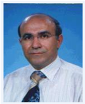
Mehmet Yaman
Firat University, Turkey
Title: Evaluation of nickel and chromium in legumes consumed in Turkey
Biography:
Dr. Yaman has completed his PhD at the age of 30 years from Inonu University. He has published more than 100 papers in reputed journals and has been serving as an editorial board member of repute. Since 2005, he is an Editor-in-Chief of „International Journal of Pure and Applied Chemistryâ€. Between 2010 to 2013, he was selected as member of consultative committee of the Scientific and Social Research Council of Turkey. Professor Yaman supervised 11 Ph.D.: 8 completed, 22 M.Sc. 20 completed. He has an International Book Chapter, Air Pollution-Monitoring,Modelling,Health and Control:Chapter 2: Comprehensive Comparison of Trace Metal Concentrations in Inhaled Air Samples.
Abstract:
The determination of minerals and trace elements in foodstuffs is an important part of nutritional and toxicological analyses. Although copper, chromium, iron and zinc play an important role in human metabolism and so, they are essential micronutrients for human health, their higher intake as well as the prolonged intake of even low concentration of Ni can cause serious toxic effects. The interest in these elements is increasing together with reports of relationships between trace element status and oxidative diseases. Environmental pollution is the main cause of heavy metal contamination in the food chain. Of all foods, legumes most adequately meet the recommended dietary guidelines for healthful eating because they are high in carbohydrate and dietary fiber, mostly low in fat, supply adequate protein while being a good source of vitamins and minerals. In this study, nickel and chromium concentrations were determined in legumes taken from Turkish markets. Further, sulfur concentrations of the samples were also determined and the relationship between metals and sulfur were examined. The element concentrations were measured by using ICP-MS after digestion by microwave digestion system. It was found that the highest Ni concentration is 2.5 mg/kg for beans. To check the reliability, the SRM was examined fort he studied elements.
Sungjin Park
Inha University, South Korea
Title: Toward molecular designing on graphene-based materials for catalytic applications

Biography:
Sungjin Park has completed his PhD at the age of 28 years from KAIST, Korea and postdoctoral studies from Northwestern University and University of Texas at Austin. Now, he is an assoicate professor at Inha University. He has published more than 65 papers in reputed journals.
Abstract:
During the last half decade, carbon-based nano-materials have been studied in the wide range of applications, due to its excellent electrical, mechanical, and thermal properties as well as good tolerance for chemical modification. Revealing chemical structures of the carbon-based nano-materials is highly important to understand materials properties and to develop optimized processing. This understanding enables us to make new molecular/nano hybrids, which showed interesting performances for catalytic applications. Chemical designing on nano-materials in molecular level would be a promising route to create new hybrid materials and to control various properties of nano- and molecular materials. Organometallic compounds have been a center of molecular catalysts with preeminent catalytic activity and selectivity in a wide range of chemical transformations. Hybridization of organometallic complexes with graphene-based materials can give rise to enhance catalytic performances. In this presentation, I will discuss my recent research activities on the fundamental chemistry of carbon-based nano-materials as well as catalytic applications.
Bolin Li
Southeast University, China
Title: Method to probe glass transition temperatures of polymer thin films

Biography:
Bolin Li has obtained his Master’s degree from Zhejiang Sci-Tech University, and now pursuing Doctoral program at Southeast University. He has published more than 13 papers in reputed journals.
Abstract:
A new methodology was developed to probe glass transition temperatures (Tgs) of polymer thin films supported on gold substrates and confined between two solid (silica and silver) surfaces based on the surface plasmon polariton (SFPP) signals generated by sum frequency generation (SFG) spectroscopy. The detected abrupt change of the temperature-dependent SFPP signal demonstrated the viability of this methodology to determine Tgs of polymer thin films. The measured Tgs for polymer (poly(methyl methacrylate), poly(benzyl methacrylate) and poly(ethyl methacrylate)) thin films supported on gold (Au) substrates showed similar thickness-dependent trend compared to those previously measured using other methods, i.e., the Tg decreased as the thin film thickness decreased due to the free surface effect. However, the measured Tg of the polymer (poly(methyl methacrylate)) thin films confined between two solid (silica and silver) surfaces increased significantly with respect to the bulk value, indicating the strong interfacial effect on the dynamic behaviors of polymer thin films when the free surface was replaced by a buried interface. This new method to measure Tg is general and can be applied to study many different polymer thin films supported on metal surfaces or confined between two solid surfaces with different surface chemistries. More importantly, SFG has the unique selectivity and sensitivity to study surfaces and interfaces, which provides the feasibility to develop SFG into a powerful tool to detect surface, interfacial and bulk Tgs of a polymer thin film simultaneously in the future.
Bonnie Tay-Jones Yen Ping
Malaysian Palm Oil Board, Malaysia
Title: Analysis of isopropyl p-toluenesulfonate in cosmetic products using a high-performance liquid-chromatography diode-array detector method

Biography:
Bonnie Tay-Jones Yen Ping received her Master of Science degree (organic chemistry) from University Putra Malaysia, Serdang, Malaysia. She is currently a principal research scientist attached to Quality and Environment Assessment Unit, Advanced Oleochemical Technology Division, Malaysian Palm Oil Board. Presently, she is actively involved in research (method development work to detect toxic contaminants/by-products) for the local oleochemical producers. She was the main author of several publications in reputed journals on topics relating to gel permeation chromatography analyses for palm-based polyols, chemometrics, basic oleochemical compositional analyses and method development for detection of contaminants/by-products in palm-oil derived oleochemicals.
Abstract:
A high-performance liquid-chromatographic (HPLC) method using a diode array detector (DAD) for the determination of low levels of IPTS in cosmetic products has been developed. The optimal conditions for IPTS analysis using this method were found to be as follows: monitoring wavelength of 230 nm; an isocratic mode with a mobile phase of acetonitrile: tetrabutylammonium phosphate monobasic buffer (5 mM); a flow rate of 0.8 ml/min and the use of a reverse phase C8 column. Recoveries of IPTS from cosmetic matrices such as lotions, cleansing milks and creams ranged from 94.0 – 101.1 % with relative standard deviation (RSD) of less than 5 %. A six-point calibration curve (determined over the range 0.5 μg/ml to 50 μg/ml of IPTS) of good linearity with a correlation coefficient of 0.999 was obtained. The limit of detection of the method was found to be 0.5 μg/ml and the limit of quantification was 1.6 μg/ml. The identity of the IPTS recovered from the cosmetic samples was confirmed using a Gas Chromatography-mass spectrometer detector (GC-MSD). This method is thus applicable for analyses of trace levels of IPTS in cosmetic products and has the advantage of using only simple sample preparation steps.
- Track 6: Physical Chemistry
Track 9: Nuclear chemistry
Location: Olimpica 1 & 2

Chair
Piotr Cysewski
Nicolaus Copernicus University in Toruń, Poland

Co-Chair
Ken Cham-Fai Leung
The Hong Kong Baptist University, Hong Kong
Session Introduction
Tim Brandenburg
Helmholtz Zentrum Berlin, Germany
Title: Impacts of conformational geometries in fluorinated hydrocarbons
Time : 10:40-11:00

Biography:
Tim Brandenburg is a PhD candidate who started to work on his thesis in September 2013. His Master of Science was received at the Freie Universität Berlin working on resonant inelastic X-ray scattering dynamics on fluorinated decalin. Beforehand he studied nanostructured thin cobalt surfaces and self-deposited thiol on nanostructured gold surfaces.
Abstract:
Research in blood substitute formulation is gaining more attention in the scientific community in recent years as more pharmaceutical companies start clinical trials on different artificial blood approaches. In general, artificial blood consists of emulsions of different liquid or protein compounds to increase oxygen solubility and transport capabilities as well as to decrease toxicity to biological tissue. Two of the more promising approaches center themselves around hemoglobin-based carriers or fluorinated microemulsions. Despite setbacks regarding clinical tests and medicinal approval of recent formulations, an emulsion named Fluosol was successfully approved by the U.S. Food and Drug Administration in 1989 (New Drug Application N860909). The main oxygen carrier in Fluosol, perfluorodecalin, is part of the family of perfluorocarbons. They have a wide range of applications ranging from tissue oxygenation to post-operative treatment. Their wide range of extraordinary properties, like high density, high viscosity, high biological and chemical inertness and the high gas solubility, create opportunities for the applications in biomedicine and physical chemistry as well as a high interest for scientific development. Few experimental studies based on photoelectron and X-ray absorption spectroscopy have already been performed, but the development of more complex theoretical models and new experimental techniques give opportunities for further investigation of perfluorocarbons.
Giulia Tarantino
Cardiff University, UK
Title: Decarboxylative fluorination of carboxylic acids with heterogeneous catalysts
Time : 11:00-11:20

Biography:
Giulia Tarantino is a second year PhD student. She has joined Hammond Research Group at Cardiff University last year in January 2015.
Abstract:
Fluorinated compounds find application in most fields of the chemical industry, such as agrochemicals, pharmaceuticals and materials . Furthermore, 18F compounds are widely used as tracers for positron emission tomography (PET) .Unfortunately, the synthesis of fluorinated molecules is difficult because of the C-F bond strength and,although several breakthroughs have been observed, fluorination reactions are still challenging, particularly, C(sp3)-F bond synthesis. Recently, several studies have been demonstrating that transition metals such as Fe(II), Ag(I) or Pd(II) can react with fluorinating reagents like F-TEDA (SELECTFLUOR,Figure1) giving new C(sp3)-F and C(sp2)-F bonds . However, many of these methods require stoichiometric metal loadings, and heterogeneous catalysts –typically preferred for several process intensification reasons – are rarely employed.
Jacinto Sa
Uppsala University, Sweden
Title: Conceptual design of a nano-leaf for artificial photosynthesis
Time : 11:20-11:40

Biography:
Jacinto Sá is a faculty member in department of chemsitry, Uppsala University, Sweden
Abstract:
The increase of atmospheric CO2 to levels, which threatens human existence forced mankind to immediately address the production of carbon-neutral, renewable and storable energy. In nature, plants and some bacteria convert CO2 and H2O into sugars and O2 via photosynthesis, and many research groups are exploring the prospect of performing photosynthesis artificially by means of stable, inorganic photocatalysts. To achieve the all desired active under visible light artificial leaf one needs to improve the following three aspects: Efficient visible light absorber, Improve reduction catalyst (H2, CH4, CH3OH production), Effective oxidation catalyst (O2 evolution) Plasmonic nano-structures of d10 metals are suggested to be the future of photo-voltaics and photo-catalysis under solar irradiation thanks to their large light absorption cross-section, versatility, and stability. We investigated the impact of continuous plasmon excitation at 532 nm on the density of states of gold nanoparticles, and found an increase of the unoccupied density of d states of gold nanoparticles at the Fermi level, consistent with the formation of electron-hole pairs. Some of those electrons have sufficient energy to overcome the Schottky barrier, and be injected into TiO2 conduction band, which we confirmed using a synchrotron based transient broadband mid-infrared spectroscopy. The results confirm that d10 metals plasmonic structures can act as direct light sensitizers, and use to drive photo-catalysis processes and produce electricity.
Sun Hee Choi
Korea Institute of Science and Technology, South Korea
Title: Fabrication and characterization of Pd-Ni porous membrane for hydrogen separation
Time : 11:40-12:00

Biography:
Sun Hee Choi has completed his PhD at the age of 33 years from Seoul National University. She has published more than 30 papers in reputed journals.
Abstract:
We demonstrate for the first time the fabrication of Pd on porous nickel rod type membrane with mechanical treatment for H2 separation. porous nickel membrane has so small and uniform pore size to be the support of dense Pd membrane. However, small nickel cluster on surface caused defeacts on Pd membrane supported by porous Ni rod because porous Ni rod is made by uniaxial pressing. The effect of mechanical treatment was found to have a significant effect on surface to get rid of small nickel cluster as well as selectivity to reduce pore size. After 10 cycles electroless plating, as-deposited Pd film is uniform and defect-free. The gas permeation properties of Pd membrane was characterized by permeation experiments with H2 ,N2 ,CO and CO2 gases at temperature 623K and pressure 1~4 bar. It was clarified that the surface condition of porous nickel rod is very important to the H2 gas permeation and selectivity H2 was contributed by solution diffusion mechanism.
Joo Kheng Goh
Monash University Malaysia, Malaysia
Title: Anti-inflammatory and wound healing activities of Hemisgraphis alternata
Time : 12:00-12:20

Biography:
Dr. Joo Kheng Goh is currently a senior lecturer in the School of Science, Monash University Malaysia. Her research group focuses on isolation and identification of bioactive compounds from medicinal plants and she has particular interest in the synthesis of bioactive compounds. She has published more than 20 papers in reputed journals and has been serving as an journal reviewer in a number of repute.
Abstract:
Therapeutic properties of plant are attributed to bioactive compounds found within them. These compounds can be promising candidates for drug development. This presentation focused on the wound healing and anti-inflammatory properties of Hemigraphis alternata and that the isolation and identification using chromatography and spectroscopic methods is currently employed. Available treatments for wound healing and inflammation are antibiotics and anti-inflammatory drugs, which some are reported to be high cost, low availability and associated with adverse effects. Therefore there is a need to search for alternatives treatments and plant-based drugs represent a key prospect to it. The leaves of Hemigraphis alternate exhibited promising wound healing and anti-inflammatory activities through scratch assay, tube formation assay, nitric oxide production inhibition assay, cytokine TNF-α production inhibition assay and lipoxygenase enzyme inhibition assay. To the best of our knowledge, this is the first report on the bioactivities of Hemigraphis alternata.

Biography:
Luc Jaeger has completed his PhD from the University of Strasbourg in 1993, and Postdoctoral studies from Scripps Research Institute, La Jolla, CA. He joined the faculty of the University of California Santa Barbara in 2002. He has been a visiting Professor at the National Cancer Institute, and he has held a ULP-NIBH (National Institute of Bioscience and Human Technology and Information Services) grant for work in Japan. He served as a member of the John Templeton Foundation board of advisors from 2011 to 2013. He has contributed to more than seventy papers published in scientific journals.
Abstract:
The nascent use of nucleic acids as a material to coordinate the precise arrangements of specific molecule marked an important milestone in the relatively recent history of bionanotechnology and synthetic biology. While DNA served as the pioneer building material in nucleic acid nanotechnology, RNA emerges as viable alternative material with its own distinct advantages for nanoconstruction. Several complementary assembly strategies have been used to build a diverse set of RNA nanostructures having unique structural attributes and the ability to self-assemble in a highly programmable and controlled manner. Of the different strategies, the architectonics approach uniquely endeavours to understand integrated structural RNA architectures through the arrangement of their characteristic structural building blocks. With the design principles found in natural structures, a number of synthetic RNAs have been constructed. In addition to affording essential insights into RNA design, RNA nanostructures have provided important platforms to characterize and validate the structural self-folding and assembly properties of RNA modules or building blocks, and have also shown great promise for applications in nanomedicine and RNA-based therapeutics. Nevertheless, synthetic RNA architectures achieved thus far are still far from matching the structural and functional complexity of natural responsive structural elements such as the ribosome, large ribozymes, and riboswitches. Implementation of these same types of dynamic and responsive architectures into artificial nanostructures functioning as real nanomachines in and outside the cell will be outlined.
Ubon Rerk-am
Thailand Institute of Sciencetific and Technological Research, Thailand
Title: Extraction and characterization of collagen from the white jellyfish-Lobonema smithi Mayer
Time : 13:20-13:40

Biography:
Ubon Rerk-am has completed her Master’s degree in analytical chemistry from King Mongkut’s Institute of Technology Ladkrabang, Thailand. She has excellent experienced in analysis of essential oils using GC-MS for more than 15 years. She has worked in peptides and the products development in cosmetics for more than 5 years. Ubon has aboard visited in Malaysia, 2014 on Hallal cosmetic, India, 2012 on short peptide. She has published more than 10 proceeding papers in the international conferences.
Abstract:
Collagen has been used in a wide range of applications in health pharmaceutical and cosmetic industries. White jellyfish (Lobonema smithi Mayer) are edible after brining with salt, blooming every year in the bay of Thailand, has become a new natural source of collagen for using in health products industries. This project aims to study the extraction process of collagen from the white jellyfish in order to get rid of its fishy odour. The processes were used pepsin to extract collagen from fresh (CF) and brining with salt (CB) of White jellyfish. The result showed that the CB gave 39.2 % yield of collagen which was higher than CF, 22.2 %. The characteristic of collagen base on HPLC and 1H-NMR techniques exhibited that all collagen contained high content of glycine, glutamic acid, alanine and proline. FT-IR spectra pattern of CB presented the strong signal of peak at 1,543.66 cm-1 (Amide II) whereas CF gave that of weak peak. To confirm of collagen type by using sodiumdodecyl sulfate-polyacrylamide gel ellectrophoretic patterns and FT-IR spectra, indicated that both of collagen CB and CF are in the collagen type I. Moreover, CB possessed lower level of fishy smell than CF. From the results could suggest that the white jelly fish should be brined with salts for extraction and pepsin was the suitable process for collagen extraction in this experiment. Further works will focus on toxicity of collagen extracted from fresh and brined white jelly fish.
Ken Cham-Fai Leung
The Hong Kong Baptist University, Hong Kong
Title: Interfacial assembly and theranostic applications of organic-inorganic hybrid nanomaterials

Biography:
Ken Cham-Fai Leung has completed his BSc and PhD degress at The Chinese University of Hong Kong and did his Postdoctoral work with Sir J. Fraser Stoddart at UCLA. He has published more than 70 papers in reputed journals and has a H-index of 32.
Abstract:
Nanotheranostic materials have been recently involved the use of nanoparticles for simultaneous diagnostic and therapeutic purposes. New materials have been extensively developed towards drug delivery and tumor imaging. In the first part of the presentation, the synthesis, characterization, and properties of theranostic nanoparticles based on organic-inorganic hybrid nano-particles will be described. The hybrid nanoparticle consists of a superparamagnetic iron oxide core and a series of coatings which are stimuli-responsive supramolecules or polymers. By the concept of nanovalve based on supra-molecular gate-keepers, stimuli-responsive drug delivery nanosystem was synthesized by (i) modified solvothermal reaction; (ii) solgel reaction; and (iii) coupling reaction of supramolecules. In these systems, the “ON/OFF” switching of the gatekeeper supramolecules can be controlled by pH-sensitive intramolecular hydrogen bonding or electrostatic interaction (such as metal chelating). Biological evaluation of the nanoparticles renders them non-cytotoxic and can be uptaken by several cell types. The anti-tumor drug (doxorubicin) loading and release profiles which were studied by the UV/visible absorption spectroscopy, were demonstrated by using ultrasonic wave. Magnetic resonance imaging analysis of the particles reveals a high relaxivity, rendering them useful nanotheranostic agents. Another part of the presentation will focus on design, synthesis, purification, and property-exploration of mono-functionalized gold nanoparticles.
Piotr Cysewski
Nicolaus Copernicus University in Toruń, Poland
Title: An efficient coformers selection for co-crystals screening of active pharmaceutical ingredients

Biography:
Piotr Cysewski received Profesor of Chemistry honour in 2013. He is the Director of Department of Physical Chemistry, Medical College of Bydgoszcz. He has published more than 60 papers in reputed journals in domain of theoretical and computational chemistry. Nowadays his activity is concerned with experimental and theopreica screeing of co-crystals of active pharmaceutica ingredients.
Abstract:
According to commonly accepted definition a cocrystal is a homogeneous crystalline solid that consists of stoichiometric amounts of discrete neutral molecular species, which are solids under ambient conditions. These kind of dispersions differ from other solutions as for example eutectic or monotectic systems by molecular complex formation and congruent melting. The change of physico-chemical properties of co-crystals with respect of the co-formers is especially useful and important in the case of active pharmaceutical ingredients (API). There are many examples in the literature of significant improving of API behaviors both in vivo and in vitro. The advantages of cocrystallization for pharmaceutical industry are not only related to bioavailability enhancement but also to the increase of stability, hygroscopicity decrease, mechanical properties and intellectual property issues. Unfortunately predicting of the ability of co-crystal formation of an API with other co-formers is non-trivial and not straightforward task. That is whys two alternatives are proposed. Experimental part relies on fastening of co-crystal screening by utilization of orientation samples on glass surfaces as efficient, robust, fast and cost-preserving approach. On the other hand the QSPR approach was used for distinguishing of pairs of co-formers forming co-crystals from ones exhibiting simple eutectic behavior.
Changjian Feng
University of New Mexico, USA
Title: Regulation of electron transfer in nitric oxide synthase by conformational dynamics

Biography:
Changjian Feng is a faculty member at University of New Mexico, USA
Abstract:
Mammalian nitric oxide synthases (NOSs) are a family of multi-domain redox enzymes responsible for producing nitric oxide (NO), an important signal and effector molecule. The NOS enzymes consist of multiple relatively rigid functional domains that are connected by flexible linkers. Each subunit has two modules joined by a calmodulin (CaM)-binding linker: (i) a catalytic heme domain, and (ii) a reductase domain with NADPH, FAD, and FMN binding sites in respective (sub)domains. CaM binding to NOS enables a conformational change, in which the FMN domain shuttles between the FAD and heme domains to deliver the NADPH-derived electrons to the active site heme center, thus allowing O2 activation required for the NO synthesis.1 A clear understanding of this large conformational change (Figure) is critical, since this step is rate-limiting in the NO production. Despite recent progress in revealing the architecture of full-length NOS proteins, the details of how CaM and the control elements function at the molecular level to regulate the NOS domain dynamics and control the interdomain electron transfer (IET) steps remain unclear. The large size and dynamic nature of NOS proteins necessitate an implementation of a synergistic approach (Scheme 1) combining the pulsed electron paramagnetic resonance (EPR) spectroscopy with functional and kinetics studies to achieve a molecular-level understanding of NOS regulation. We carried out pulsed EPR studies to determine some of the structures and conformational equilibria of NOS proteins.2 The results are consistent with a model that the Ca2+−CaM interaction causes CaM docking with the oxygenase domain. The low population of the docked state indicates that the CaM-controlled docking between the FMN and heme domains is highly dynamic. Additionally, to investigate the plausible structural re-arrangements and the domain interactions before and after the FMN-heme IET, molecular dynamic simulations were carried out on a model of a bi-domain oxygenase/FMN construct of human inducible NOS.3 Our results indicate redox-dependent conformational changes that affect the distance between the heme and FMN centers. Moreover, specific residues important in the interdomain FMN/heme docking were identified on the FMN, heme and CaM domains. The predictions of the key interacting sites are supported by experimental data in literature. The computational work revealed the dynamic conformational changes of each domain, and provided plausible mechanism of the FMN domain motions. We have also provided an analytical solution of the kinetic equations describing the laser flash photolysis experiment.4 The derived equations show an important role of the conformational dynamics in determining the bulk IET rate constant.
Naoki Sugimoto
Frontier Institute for Biomolecular Engineering Research, Japan
Title: Functions of nucleic acids with non-canonical structures

Biography:
Abstract:
Injae Shin
Yonsei University, Korea
Title: Carbohydrate microarrays for study of glycan associated biological events
Biography:
Abstract:
Giulia Tarantino
Cardiff Catalysis Institute, United Kingdom
Title: Decarboxylative fluorination of carboxylic acids with heterogeneous catalysts

Biography:
Abstract:
Giulia Tarantino
Cardiff University, UK
Title: Decarboxylative fluorination of carboxylic acids with heterogeneous catalysts

Biography:
Giulia Tarantino is a second year PhD student. She has joined Hammond Research Group at Cardiff University last year in January 2015.
Abstract:
Fluorinated compounds find application in most fields of the chemical industry, such as agrochemicals, pharmaceuticals and materials . Furthermore, 18F compounds are widely used as tracers for positron emission tomography (PET) .Unfortunately, the synthesis of fluorinated molecules is difficult because of the C-F bond strength and,although several breakthroughs have been observed, fluorination reactions are still challenging, particularly, C(sp3)-F bond synthesis. Recently, several studies have been demonstrating that transition metals such as Fe(II), Ag(I) or Pd(II) can react with fluorinating reagents like F-TEDA giving new C(sp3)-F and C(sp2)-F bonds . However, many of these methods require stoichiometric metal loadings, and heterogeneous catalysts –typically preferred for several process intensification reasons – are rarely employed. In this context, supported Ag supported nanopaticles on titania have been prepared and, for the first time, effectively employed for decarboxylative fluorination of aliphatic carboxylic acids.
Vladimir Komarov
St Petersburg State University, Russia
Title: Unitary symmetry - from elementary particles through the nuclei of atoms, molecules to the codon

Biography:
Vladimir Komarov has completed his PhD at the age of 30 years. Thesis defended at the Moscow Academic Institute of Chemical Physics He is the professor of Department of Chemistry, St Petersburg State University. He completed specialized courses on macro and microeconomics, marketing and human resource management in the University of Pennsylvania (USA) under the auspices of the United States Information Agency.
Abstract:
In elementary particle theory and the concept of symmetry and related ideas about the hierarchy of interactions play a fundamental role. In the case of atoms and molecules also can talk about the hierarchy of interactions of particles involved in their formation. As an example, a "strong" interaction can be entered here in the energy of chemical bonds, which is 1-2 orders of magnitude more energy non-bonded interactions. Typically, the consideration of weak interactions in chemistry is carried out by introducing into physical models of various disturbances. These disturbances usually are unmeasured parameters, which are essentially the adjustable values. However, atoms, molecules and mixtures can try to find such a ratios of values of the parameter under consideration, in which the contribution of the "weak" interactions are compensated. The special case of the codons, which built the new circuitry and offered invariant relations for predicting the results of mutations.
Ying Wan
Shanghai Normal University, China
Title: Reusable mesoporous solid-based Pd catalysts for chlorobenzene suzuki coupling reaction and selective indoles C2-arylation in water

Biography:
Dr. Ying Wan completed each of her academic degrees in Industrial Catalysis from the East China University of Science and Technology, receiving her Ph.D. in 2002. Then, she joined Shanghai Normal University where she got a Professor position in 2006. Her current research focuses on sintering-, and poisoning-resistance metal nanocatalysts supported on mesoporous materials, and their applications in green organic synthesis. She has published 3 books as a co-author, 10 patent applications, and over 60 papers in reputed journals. She is now a co-Editor of Journal of Porous Materaisls.
Abstract:
Environmentally benign, operationally simple, and robust reactions, particularly those employing reusable solid catalysts and water as a solvent, are of significant interest to the chemical industry. Here, heterogeneous palladium catalysts supported on ordered mesoporous carbonaceous nanocomposites including carbon-silica , CoO-C and quaternary ammonium phase transfer agent modified mesoporous carbonaceous resins, were applied to the water-mediated Suzuki coupling reaction using as the substrate, and selective C2-Arylation of indoles. The mesoporous Pd/CoO-C catalyst showed a high yield of biphenyl (49%) in the water-mediated Suzuki coupling reaction of chlorobenzene and phenylboronic acid. Product yields in the reaction of aryl chlorides containing electron-withdrawing groups attached to their benzene ring can reach approximately 90%. Very small Pd clusters consisting of approximately 3 atoms and Pd-O bonds formed on the interface between CoO and Pd nanoparticles. The unsaturated coordinative Pd may be responsible for the activation of chlorobenzene in the absence of any additives or ligands. A nitrogen-containing functional group modified and ordered mesoporous resin material was also used to support a reusable solid Pd catalyst. The grafted quaternary N coordination with highly dispersed Pd NPs creates an electronically rich environment for surface atoms and causes a distinct enhancement in the stabilization and accessibility of these particles to organic substances in aqueous solution. The mesoporous Pd catalysts are active in the C-2 arylation of N-methylindole when water is used as the solvent without any other additive or the exclusion of air. The catalysis likely occurs on the Pd surface rather than in solution.
Mu. Naushad
King Saud University, Saudi Arabia
Title: Adsorption kinetics, isotherms and thermodynamic studies for Hg2+ adsorption from aqueous medium using alizarin red-S loaded amberlite IRA-400 resin

Biography:
Mu. Naushad is a Faculty Member in Department of Chemistry, College of Science, King Saud University, Riyadh, Saudi Arabia.
Abstract:
Alizarin red-S modified amberlite IRA-400 resin (ARSA) was applied for Hg2+ removal from the aqueous medium which is highly toxic metal ion. The adsorption process which was pH dependent, showed maximum adsorption of Hg2+ in the pH range 6 to 8. ARSA exhibited good monolayer adsorption capacity for Hg2+ (303.03 mg g-1) at 25 C and the isotherm was well fitted by the Langmuir model. Moreover, the adsorption was evaluated thermodynamically and the negative values of ∆Go revealed the spontaneity of adsorption process. The practical applicability of ARSA was explored for the adsorption of Hg2+ metal ion from a real water sample. The values of ΔH and ΔS were found 79.87 kJ mol-1 and 0.26 J mol-1 K-1, respectively.
Wei Zhe Teo
Nanyang Technological University, Singapore
Title: Direct voltammetric determination of redox-active iron in carbon nanotubes

Biography:
Wei Zhe Teo is a former research group member in Nanyang Technological University, School of Physical and Mathematical Sciences, Division of Chemistry & Biological Chemistry, Singapore.
Abstract:
With the advances in nanotechnology over the past decade, consumer products are increasingly being incorporated with carbon nanotubes (CNTs). As the harmful effects of CNTs are suggested to be primarily due to the bioavailable amounts of metallic impurities, it is vital to detect and quantify these species using sensitive and facile methods. Therefore, in this study, we investigated the possibility of quantifying the amount of redox-available iron-containing impurities in CNTs with voltammetric techniques such as cyclic voltammetry. We examined the electrochemistry of Fe3O4 nanoparticles in phosphate buffer solution and discovered that its electrochemical behavior could be affected by pH of the electrolyte. By utilizing the unique redox reaction between the iron and phosphate species, the redox available iron content in CNTs was determined successfully using voltammetry.
Sawsan Abuhamdah
University of Jordan, Jordan
Title: In silico screening of Aloysia citrodora Palau leaf essential oil for anticholinesterase inhibitors

Biography:
Sawsan.Abuhamdah is an Associate Professor of Pharmacology in Department of Biopharmaceutics and Clinical Pharmacy and Faculty of Pharmacy at University of Jordan, Jordan.
Abstract:
Inhibition of the enzyme AChE has been shown to alleviate early cognitive symptoms in neurodegenerative diseases prompting several attempts to discover and optimize new AChE inhibitors. The aim of this study is to identify the components underpinning the AChE activity using structure based in silico screening with the Molecular docking GOLD version 3.0.1 (Cambridge Crystallographic Data Centre, Cambridge, UK) programme. Donepezil was used as the reference compound for alignment, and eighty-eight comparator AChE inhibitors (including donepezil, galantamine, huperzine A, rivastigmine and tacrine) were taken from .AChE activity was assayed as described in GC-MS analysis was performed as in and over sixty chemicals were detected, principally mono- and sesqui-terpenes. The crystal structure of human AChE (PDB:4EY7) was used for structure-based in silico screening of A. citrodora EO constituents for AChE inhibitor activity, the top scoring hits with highest pharmacophore fit values showed common interactions with residues at the active site to that of donepezil. The top seven hits in order of fit score, were β-curcumene, γ-/ar-curcumene, β-/(Z)-α-bisabolene, trans-calamenene, caryophyllene oxide, β-sesquiphellandrene and geranyl acetate, respectively. The scores of top binding hits had values comparable to those possessed by optimal conformations of huperzine A, rivastigmine, donepezil and galantamine in the hAChE active site, with TYR 341, 337, PHE 338 and HIS 447 being primary contact points; the majority of these interactions comprise hydrogen bonding, hydrophobic and π-π interactions. In vitro screening of the commercially available hits revealed two micromolar electric eel AChE inhibitors, caryophyllene oxide and geranyl acetate with IC50 values of 52 µM and 119 µM, respectively. This indicates that A. citrodora may yield a novel effective and potentially safe AChE Inhibitor. A combination of molecular docking, and virtual screening of medicinal plants constituents is a promising strategy for discovering new effective AChE inhibitors.
Nicharat Manmuanpom
Chulalongkorn University, Thailand
Title: In situ preparation of nitrogen enriched hierarchically nanoporous carbon from polybenzoxazine precursor for co2 capture and storage

Biography:
Nicharat Manmuanpom is a Ph.D student at Petroleum and Petrochemical College, Chulalongkorn University in major of polymer science. She graduated with Bachelor’s degree from Chulalongkorn University in department of Chemistry. Much of her work focuses on polybenzoxazine synthesis and its application.
Abstract:
Carbon dioxide capture and storage (CCS) is the technology by which carbon dioxide emissions from power plants are captured and stored for future use. The process could help reduce the greenhouse gas in the atmosphere which is the cause of the climate change. Recently, porous carbons which have micro-mesopores structure, high surface area and high nitrogen sites can enhance the CO2 adsorption capacities because the basic nitrogen groups can interact with CO2 gas. In this study, micro-meso porous carbons with high nitrogen content were prepared from polybenzoxazine as a precursor and silica nanoparticles as a hard template to generate mesoporous structure. Polybenzoxazine, an additional cure phenolic resin is an excellent carbon precursor since the molecules can be easily designed to incorporate nitrogen functional groups without complicated synthesis procedures. The morphology of carbons was investigated by FE-SEM. The Autosorp 1-MP carried out to determine the surface area, particle size and pore volume of the resulting nanoporous carbon. The effect of pyrolysis temperature to obtain nitrogen enriched nanoporous carbon was confirmed by using XPS and elemental analyzers. As a result, activated carbon that using 40%wt. silica colloidal template and pyrolyzed at 800°C exhibited high CO2 uptake (1.233 mmol/g at 30ºC, 1 bar). The adsorption of CO2 was increased because the pyridine and pyridone types of nitrogen reacted with CO2 gas, as well as physical adsorption of the micro-meso porous.
Naoki Sugimoto
Konan University, Japan
Title: Functions of nucleic acids with non-canonical structures

Biography:
Naoki Sugimoto received Ph.D. degree in 1985 from Kyoto University, Japan. After postdoctoral work at University of Rochester, NY, USA, he joined Konan University, Kobe, Japan in 1988 and is a full professor since 1994. From 2003, he holds a director of Frontier Institute for Biomolecular Engineering Research (FIBER) at Konan University. He is a member of the Editorial Board of the Nucleic Acids Research from 2007 to the present, a member of the Review Committee of Human Frontier Science Program (HFSPO) from 2008 to 2012, a Chemical Researcher of Japan Society for the Promotion of Science (JSPS) from 2010 to 2013, and a Chairman of Division of Biofunctional Chemistry of the Chemical Society of Japan (CSJ) from 2011 to 2013. He received the Dr. Masao Horiba’s Award in 2004, Distinguished Scientist Award from ICA (International Copper Association), New York, USA in 2005, the CSJ (the Chemical Society of Japan) Award for Creative Work in 2008, the Honorable Speaker for Applied Chemistry Lecture Series from the Chinese Academy of Sciences in 2011, Contribution Award from the Japan Society of Coordination Chemistry (JSCC) in 2014 and so on. His research interests focus on Biophysical Chemistry, Biomaterials, Bio-nano engineering, Molecular design, Biofunctional Chemistry, and Biotechnology. He has published more than 500 scientific papers and books.
Abstract:
Water is the major solvent component in living cells, and the properties of water in the highly crowded media inside cells differ from that in buffered solution. As it is difficult to measure the thermodynamic behavior of nucleic acids in cells directly and quantitatively, we recently developed a cell-mimicking system using cosolutes as crowding reagents. In this presentation, I will show how the structures and thermodynamic properties of nucleic acids differ under various conditions such as highly crowded environments and discuss the major determinants of the crowding effects on nucleic acids. The effects of molecular crowding on non-canonical structures of DNA and RNA such as quadruplexes that play important roles in transcription and translation are also discussed.
Jacinto Sa
Uppsala University, Sweden
Title: Conceptual design of a nano-leaf for artificial photosynthesis

Biography:
Jacinto Sa is a Faculty member in department of Chemsitry, Uppsala University, Sweden.
Abstract:
The increase of atmospheric CO2 to levels, which threatens human existence forced mankind to immediately address the production of carbon-neutral, renewable and storable energy. In nature, plants and some bacteria convert CO2 and H2O into sugars and O2 via photosynthesis, and many research groups are exploring the prospect of performing photosynthesis artificially by means of stable, inorganic photocatalysts. To achieve the all desired active under visible light artificial leaf one needs to improve the following three aspects: Efficient visible light absorber, Improve reduction catalyst (H2, CH4, CH3OH production), Effective oxidation catalyst (O2 evolution). Plasmonic nano-structures of d10 metals are suggested to be the future of photo-voltaics and photo-catalysis under solar irradiation thanks to their large light absorption cross-section, versatility, and stability. We investigated the impact of continuous plasmon excitation at 532 nm on the density of states of gold nanoparticles, and found an increase of the unoccupied density of d states of gold nanoparticles at the Fermi level, consistent with the formation of electron-hole pairs. Some of those electrons have sufficient energy to overcome the Schottky barrier, and be injected into TiO2 conduction band, which we confirmed using a synchrotron based transient broadband mid-infrared spectroscopy. The results confirm that d10 metals plasmonic structures can act as direct light sensitizers, and use to drive photo-catalysis processes and produce electricity.
Muhammad Nurdin
Universitas Halu Oleo, Indonesia
Title: Chemical oxygen demand flow system sensor using TiO2/Ti electrode: surfactants pollution detection in wastewater

Biography:
Dr. H. Muhammad Nurdin,M.Sc. has completed his PhD at the University of Indonesia, Jakarta and Tokyo Institute of Technology, Japan (Sandwich Program). He is the Head of Photocatalyst Laboratory at the Universitas Halu Oleo, Kendari, Indonesia. He has published more than 20 papers in reputed journals and has been serving as a Commissioner of Environmental Impact Analysis of the Province of Southeast Sulawesi, Indonesia.
Abstract:
Design of Chemical Oxygen Demand (COD) flow system sensor has been done using TiO2/Ti electrode to detect surfactant pollution on liquid waste. The methods of the research were started from TiO2/Ti electrode preparation with anodizing method and continued to characterization by using Scanning Electron Microscopy (SEM) and X-Ray Diffraction (XRD). TiO2/Ti electrode obtained was tested the activity by using Linear Sweep Voltammetry (LSV) method. COD flow system value determination for test compounds i.e. Sodium Lauryl Sulphate (SLS), Hexadecyltrimethylammonium bromide (HDTMA-Br), and 4-octylphenol polyethoxylate (Triton X-100) was performed by using Multi Pulse Amperometry (MPA) method. The data obtained were processed based on Faraday law (Q = ∫ I dt). The result of COD flow system determination affected for the high of initial photocurrent (Iph) which produced. Photocurrent response was examined in test compounds SLS, HDTMA-Br, and Triton X-100 with COD value were 9.43; 9.06; and 8.61 mg/L O2, respectively. The result showed that SLS had COD value higher than others tested compounds.
Ghadeer A. R. Y. Suifan
The University of Jordan, Jordan
Title: Simple colorimetric method for the detection of prostate cancer biomarker prostate specific antigen

Biography:
Dr. Ghadeer Suaifan has completed her PhD at the age of 31 years from the Department of Pharmacy and Pharmacology at Bath University . She is an associate professor in Medicinal Chemistry at the Faculty of Pharmacy in The University of Jordan. She has published more than 20 papers in reputed journals.
Abstract:
Prostate cancer diagnostic techniques are often complex and require the use of expensive instrumentation. To conquer these limitation, a novel, simple, sensitive and selective colorimetric biosensor for the detection of prostate cancer diagnostic Prodtate Specific Antigen (PSA) biomarker was developed. The biosensing configuration was based on the measurement of PSA. protease proteolytic activity using specific PSA substrate covalently bound to magnetic nanparticles (MNPs) from one terminal and to a gold sensor surface by the other terminal. When intact, the golden sensor appears black by naked eyes. However, upon proteolysis, the cleaved peptide-MNPs moiety will be attracted by an external magnet revealing the sensor surface golden color observable by the naked eye. This biosensor monitor PSA concentration ranging from 1 pg/ mL1 to 1 u/gmL with a detection limit as low as 1 pg/ L in less than 5 minutes. This method demonstrated tremendous sensitivity in addition to specificity to PSA. Moreover, this sensor puts forward a prospective development of wash-less and cost-effective point-of-care device because of the simplicity of the probe immobilization and elimination of the reporter molecule labelling procedure during the biosensing step.
Boyd L. Summers
BL Summers Consulting LLC, USA
Title: Ensure quality assurance for companies and institutions

Biography:
Boyd L. Summers has completed his Bachelor of Science (BS), Business Administration at Weber State University, USA. Areas of emphasis: Information Systems, Production and Operations Management, Quantitative Analysis and Methods, Human Resources, Economics, Business Management and Statistical Analysis and Computer Science. He is currently working as a Software Technology Consultant for Bl.summers.consulting.llc located in Seattle, Washington. With 30 years of experience in Software Engineering and a leader of multiple software development teams, Boyd continues to solve complex technical challenges to ensure that system and software engineering problems are addressed, resolved and compliant. Author of the two software technology books titled; “Software Engineering Reviews and Audits.†and “Effective Methods for Software and Systems Integration. Provide Software Articles to Software Engineering Journals and magazines. Topics include: System Design, Software Requirements, Software Design, Software Test and Evaluation, Configuration Management, Quality Assurance, Process and Product evaluations. Applies Processes in Agile, Lean and Six-Sigma including a Speaker at OMICS conferences and member of the American Society Quality (ASQ).
Abstract:
Outside or inside quality assurance auditors are trained and chartered to partner with companies and/or institutions and instill quality, maintain process and product requirement compliance thru in-house audits and evaluations and to provide oversight. Auditors promote process improvements, and are an advocate to a quality culture that supports commitment to technical integrity. Vision: Quality is inclusive for creating a community working together and establishes an inspired future for business management, employees and customers. Mission: Drive the growth of our people and our business through personal and professional development focused on disciplined execution and quality. Processes and Evaluation Audit Steps are: Quality Planning, Perform Audits & Evaluations, Record and Report Audit & Evaluation results to Senior Management and organization, and employees. Quality Planning: At the start of each review period, auditors prepare for audit and evaluation planning by identifying contracts and those processes that will be evaluated during that specific review period. The identified contracts and processes evaluated during the review period require the right criteria derived from company and/or institution documentation (or associated plans and procedures). Perform Audits and Evaluations: Using criteria derived from the documentation plus plans and procedures provides the performance of the audits and evaluations planned for each month. The purpose of the audits and evaluations ensure that activities and/or tasks are completed as planned and are compliant with approved company and/or institution plans and procedures. Performing audits and evaluations includes: Review of contracts, plans and procedures to determine and select appropriate evaluation criteria, In performing the evaluations, auditors make an assessment as to whether the implemented processes are compliant or noncompliant.
Yangping Wen
Jiangxi Science and Technology Normal University, China
Title: Architecture and Improvement of PEDOT-based bio/chemo-sensors and its electrochemical application in agriculture

Biography:
Yangping Wen is currently a Research Assistant at Jiangxi Agricultural University. He received his M.S. degree in 2010 and Ph.D. degree in 2013 from Jiangxi Agricultural University. His current research interests are the design of chemo/biosensors based on conducting polymers and the agricultural application of sensing technique.
Abstract:
PEDOT one of extraordinary polythiophene derivatives available, has been widely employed in photovoltaic cells, sensors, light-emitting diodes, field-effect transistors, capacitors, fuel cells, batteries, actuators, displays, antistatic coating, corrosion protection, electrochromic windows, and thermoelectric devices due to a high and quite stable conductivity and excellent ability to be rapidly switched between conducting states and insulating states, superior chemical stability and environmental stability, satisfactory optical transparency. However, The solubility of its monomer and polymer in water need be improved by addition of surfactant and introduction of pendant lyophilic groups, and flaws on the performance of PEDOT devices for practical applications in various fields need be enhanced by modification. Fortunately, the commercially water-processable PEDOT:PSS is a water-dispersible form of the intrinsically conducting PEDOT doped with the water-soluble PSS, swelling, disintegration, cracking and peeling-off of PEDOT-PSS film in water need be improved by functional modification. In our work, a variety of materials such as surfactants, carbon nanomaterials, metallic nanomaterials, clay minerals, enzymes, ionic liquid, β-cyclodextrin and prussian blue were incorporated into PEDOT by mixture or electrochemical copolymerization to improve issues mentioned-above. Meanwhile, PEDOT or PEDOT-PSS derivatives also synthesized. Subsequently, these materials and composites was employed for the architecture of efficient chemo/bio sensors and successfully realized for efficient, sensitive and selective analysis of toxic or harmful substances such as heavy metals, pesticides, food additives in agro-environment, crops or nutrients like amino acid, trace elements, vitamins, carbohydrates in agro-products and agro-food.

Biography:
Dr. Gunduz has completed her BSc from Middle East Technical University (Turkey) and her PhD from Iowa State University (USA). She is a full professor in the Chemical Engineering Department of Gazi University. She has published more than 20 papers in reputed journals.
Abstract:
Bentonites and their major clay mineral smectites have been important industrial raw materials. Some of the applications are drilling fluids, catalysts, cosmetics, paint and paper. Bentonites are very different because of their different chemical compositions and of the physical state of their constituents. These differences determine various technological applications of bentonites. Bentonites are classified according to their dominant exchangeable interlayer cation. Sodium bentonite may absorp a large amount of water in the interlayer which leads to high swelling degrees with hydration. In this study, bentonite samples from Çankırı region of Türkiye were treated with Na2CO3 and MgO. The mass percentages of Na2CO3 and MgO were in the range of 1-3. The statistical experimental design method was used for the amounts of chemicals used in the bentonite treatment. Na2CO3 and MgO were added to the initially moisturized bentonite samples and kneaded till all the bentonite had reacted with these chemicals. Then, the activated samples were left to drying and curing under sunlight. After activation and drying/curing period for a month, the activated samples were crushed. The resulting materials were analyzed by Infrared (IR) spectroscopy. The analyses showed that structural changes occurred by Na2CO3 and MgO treatment. Swelling tests were performed with 2 gram samples. The swelling experiments showed major increases in swelling degrees depending on the compositions of the chemicals added to the bentonite samples. The highest swelling degree observed was 27 ml for the sample with 3 % Na2CO3 and 1 % MgO addition.
Ufuk Ozgen
Karadeniz Technical University
Title: Thymus and Origanum species growing in turkey: Their phytochemical and biological activity properties

Biography:
Ufuk Ozgen has completed his Ph.D at the age of 33 years from Ankara University and postdoctoral studies from King’s College, London in 2001. She is the Head of Pharmacognosy, at Faculty of Pharmacy, Karadeniz Technical University, Trabzon/TURKEY. She has been studying on phytochemistry, biological activities of Turkish medicinal plants, ethnopharmacology, and analytical pharmacognosy. She has published more than 25 papers in reputed journals.
Abstract:
Thymus and Origanum genus, belonging to the Nepetoideae subfamily of Lamiaceae family, are culinary and medicinal herbs. Thymus species are known as “Kekik, nemamulotu, sater†in Turkey. They are represented by 64 taxon and 27 of which are endemic for Turkish flora.  Origanum species are known as “mercanköşk, merzengüş, kekikâ€. They are represented by 32 taxa and 22 species in the flora of Turkey, 21 of which are endemic. Thymus and Origanum species are essential oil bearing plants. Their spice properties have made them one of the most popular plant in Turkey. Both are used for cold, respiratory system disease, gastrointestinal disorders, urinary system disorders in Turkey. There have been a lot of studies on essential oils of these species in Turkey. In the course of our phytochemical studies on aerial parts of three Thymus and four Origanum species growing in Turkey, rosmarinic acid has been isolated from all species studied. Luteolin 5-O-glucoside and ursolic acic have been isolated from all Thymus species. Lithospermic acid has been isolated from T. pseudopulegioides, O. acutidens, and O. rotundifolium. Betulalbuside A, and 8-OH linaloyl glucoside have been isolated from T. pseudopulegioides and O. acutidens. Thymoquinol 2,5-O-diglucoside has been isolated from T. praecox subsp. grossheimii var. grossheimii. Myristyl alcohol has been isolated from O. micranthum, O. rotundifolium, and O. minutiflorum. The structures of these compounds have been elucidated using by 1H NMR, 13C NMR, 2D NMR and MS techniques. In the course of our biological activity studies on the isolated compounds and extracts obtained from these species, neuroprotective, antioxidant, antimicrobial and tyrosinase inhibitory activities have been detected.
Roberta Romano
University of Salento, Italy
Title: Promotion of sorghum hybrids bran grown in southern italy for phb ecological production by sphingomonas cynarae

Biography:
Roberta Romano graduated cum laude in Biotechnological Sciences at University of Salento in 2012. She worked as external collaborator for Eggplant srl, conducting her research in the production and green-recovery of PHB from olive mill wastewater using Azotobacter vinelandii. This activity was published in the Jounal of Life Sciences with the title “Complete valorization of Olive Mill Wastewater through an integrated process for poly-3-hydroxybutyrate productionâ€. She also conducted reasearch at the Laboratory of Biochemistry and Microbiology of the University of Salento and worked in the Del Giudice’s lab of the University of Naples analyzing the properties of various sorghum hybrids.
Abstract:
Sorghum is one of a major crop used for food, feed and industrial purposes worldwide. As such it has the potential to be a valuable source of biomaterials. Kafirin, the storage protein of sorghum, can form biodegradable plastic films. However, producing the plastic from sorghum protein could be very expensive and time consuming. A cheaper alternative would be to produce biodegradable plastics from starch present in the bran of sorghum grains. Over the last years the environmental impact of plastic waste on the ecosystems represents a critical problem. Bacterial poly-3-hydroxybutyrate (PHB) is an ecological alternative. Food industry waste represents a sustainable medium for bacterial growth and PHB production.We are interested in producing PHB by bacteria grown in the presence of sorghum bran. Our preliminary studies focused on the use of the bran of sorghum hybrids grown in South of Italy as medium for Sphingomonas cynarae cells in order to produce PHB.The mean composition of these brans consisted of about 28% starch, 14% protein and 3% fat. The bran powder was resuspended in water (1:10 w/v) and autoclaved to make available the starch. Primarily, we detected the amylase activity of S. cynarae by plating methods. Transmission electron microscopy (TEM) analysis has confirmed the PHB accumulation in the cells and it was recovered by high pressure homogenization. The yield was approximately of 0.6 g/L. To our knowledge, this is the first report describing the production and green-recovery of PHB by S. cynarae utilizing sorghum bran as a nutritional source.
Maulidiyah
University of Indonesia, Indonesia
Title: Cytotoxic activity of eumitrin A1 from lichen Usnea blepharea motyka

Biography:
Maulidiyah has completed her PhD at the University of Indonesia, Jakarta. She is the Head of Organic Laboratory at the Universitas Halu Oleo, Kendari, Indonesia. She has published more than 15 papers in reputed journals and is working as a Lecturer at Universitas Halu Oleo, Province of Southeast Sulawesi, Indonesia.
Abstract:
The purpose of this study was to isolate and elucidate structure of secondary metabolite compounds from the lichen Usnea blepharea Motyka that was obtained from Sulawesi – Indonesia, then performed a bioactivity test against Murine Leukemia P388 cells. Powder of lichen has extracted using an acetone solvent and thin layer chromatography (TLC), that continued with separation by using column chromatography (CC) with n-hexane and ethyl acetate solvents in a gradient to produce of pure isolates. The structure was determined by using spectroscopy i.e. UV-Vis, LC-MS, FTIR, 1H-NMR, 13C-NMR, 2D-NMR (HMBC, HMQC, COSY). The results obtained using UV-Vis spectrophotometer gives max wavelength of 229 nm and 334 nm, respectively. From LC-MS data this compound has molecule weight of 680. 1H-NMR, 13C-NMR with DEPT spectrums showed this compound has 34 carbon atoms consisting of 2 methyl groups, 2 methoxy groups, 1 methyl group, 6 metin groups, 3 methylene groups, and 20 C quartener atoms. Supported by using 2D-NMR (HMBC, HMQC, COSY) spectrums the result of analysis can be inferred this compound is a Eumitrin A1 with the formula structure C34H32O15. The result of cytotoxic activity test against Murine Leukemia P388 cells showed very active with IC50 is 4.5 µg/mL.
- Track 11: Medicinal Chemistry
Track 12: Materials Chemistry
Location: Olimpica 1 & 2
Chair
Brian W Dymock
University of Singapore, Singapore
Co-Chair
Marc Le Borgne
Université Lyon, France
Session Introduction
M Helena Garcia
Universidade de Lisboa, Portugal
Title: Ruthenium organometallic compounds as promising anti-metastatic drugs for breast cancer chemotherapy
Time : 09:30-09:50
Biography:
M Helena Garcia is Associate Professor with Habilitation at University of Lisbon. She authored over eighty publications and several book chapters and has been leader of several national and European funded scientific research projects; she is Member of the “Division of Organometallic Chemistry” of European Association for Chemical and Molecular Sciences, as delegate of Portuguese Chemical Society, since 1992 and is Coordinator of the International Office at Faculty of Sciences of University of Lisbon.
Abstract:
Ruthenium complexes are the most widely studied non-platinum metallodrugs and hold great potential as alternatives in cancer therapy. During the recent years our group has been putting a significant effort on the synthesis of new half sandwich “Ru(5-C5H5)” derived compounds which cytotoxicity was found, in most of the cases, better than that of cisplatin against several cancer cell lines of typically low, medium and high resistance to metallodrugs. Our studies in vivo involving triple negative breast cancer (TNBC) tumors showed that our Lead compound had the dual capacity to inhibit the development of metastasis and to suppress significantly the tumour growth. We will report here our progressing studies concerning our Lead drug, such as uptake and cell death mechanisms, modulation, biodistribution, blood speciation, just to give some examples, considered crucial to the progression of our drug into clinical evaluation. Our gathered results indicate so far the relevance of this new family of half sandwich compounds as potential anticancer agents with particular importance for TNBC for which there is not available in clinic any efficient chemotherapeutic agent.
Andreia Valente
Universidade de Lisboa, Portugal
Title: Polymer-metal conjugates: Versatile scaffolds for the synthesis of new antitumor drugs
Time : 09:50-10:10
Biography:
Andreia Valente obtained her PhD in 2010 from the Université de Lille I (France) in the field of Polymerization Catalysis. Since 2013, she is an Assistant Researcher at the BioOrganometallic Group at Faculty of Sciences, University of Lisbon (Portugal), where she develops her independent research based on new polymer-metal complexes as targeted drug-delivery systems in view to cancer therapy. She has published about 20 papers in reputed journals, is a Fulbright awardee, is member of the Royal Society of Chemistry and participates actively in European networks.
Abstract:
Polymer-metal conjugates have been widely used in several areas such as pollution control, hydrometallurgy, polymer grafts, water- and waste water-treatment, industrial processes, between others. More recently an interest towards these scaffolds has been growing in the area of medicinal chemistry due to their chemical versatility. This is especially relevant for targeted cancer therapy where multifunctional compounds are many times needed in order to increase selectivity towards cancer cells, while decreasing the side effects. In this frame a new family of polymer-metal conjugates comprising macro ligands based on the biocompatible and biodegradable polylactide and polyethylene glycol will be presented. Their anticancer properties will be shown by means of cellular viability, apoptosis, autophagy, proliferation, in vitro drug internalization and release studies and ultrastructure analysis of cells. Preliminary in vivo studies for the lead polymer metal conjugate will be also discussed.
Shin-ichi Ohkoshi
The University of Tokyo, Japan
Title: Novel functional materials based on cyanido-bridged metal assemblies and metal oxides
Time : 10:10-10:30
Biography:
Shin-ichi Ohkoshi is a Professor of Chemistry at The University of Tokyo. He received his PhD from Tohoku University in 1995, and then joined KAST. In 1997, he moved to The University of Tokyo as a Research Associate, and became a Lecturer in 2000. In 2003, he was promoted to an Associate Professor, and since 2006, he has been a Full Professor in the Department of Chemistry at The University of Tokyo. He has received CSJ Award for Young Chemists in 2000, The Young Scientists’ Prize in 2005 by MEXT of Japan, JSPS Prize in 2008, Japan Academy Medal in 2008, IBM Japan Science Prize in 2009, Ichimura Academic Award in 2014, and Inoue Prize for Science in 2015. He served as an invited Professor at the University of Bordeaux I, France in 2007, the University of Pierre and Marie Curie, France in 2008, and has been an Honorary Professor of Durham University, UK since 2009, and an Invited Professor at Palacky Universitý, Czech Republic since 2010.
Abstract:
Investigation of functional solid materials is an important topic in the field of chemistry and materials science. Our laboratory has paid attention to cyanido-bridged metal assemblies and nano-sized metal oxide systems. Cyanido-bridged assemblies are suitable systems to control electronic and magnetic state by external stimuli and observed humidity sensitive magnetism, interference effect between magnetic ordering and ionic conductivity, photo-induced magnetization due to charge transfer induced spin transition and spin-crossover phenomenon, and nonlinear magneto-optical effect, chiral photo-switching magnet exhibiting orthogonal switching of polarization of second harmonic light by photo irradation, etc. Furthermore, by utilizing nano-scale chemical synthesis, we have realized huge coercive field, electromagnetic wave absorption, room temperature photo-induced phase transition, and thermal energy storage in nano-sized metal oxides from abundant elements such as iron or titanium. In this presentation, I will introduce syntheses, functionalities, and mechanisms of some of these functional cyanido-bridged metal assemblies and metal oxide nano materials based on rational design and strategies.
Marc Le Borgne
UniversiteÌ Lyon, France
Title: The medicinal chemist's toolbox: how to use it to develop small molecule CK2 inhibitors
Time : 10:30-10:50

Biography:
Marc Le Borgne has completed his PhD at the age of 31 years from Nantes Atlantic University after Pharmacy studies (6 years). He is the director of EA 4446 B2C, a research group dedicated to Drug Design and Structural Optimization. He has published more than 61 papers in reputed journals and has been serving as an editorial board member of Journal of Enzyme Inhibition and Medicinal Chemistry (2009-2012) and Current Bioactive Compounds (2008). He gave some invited lectures abroad (Saarbrück, Oslo, Tromsø, Bergen, Debrecen, Sacramento, Helsinki, Oulu). He is developing bioactive small molecules (e.g. kinases and CYP inhibitors).
Abstract:
Protein kinase CK2 is a ubiquitous eukaryotic serine/threonine protein kinase. CK2 is a highly pleiotropic enzyme which catalyzes the transfer of terminal phosphate from ATP or GTP to various proteins implicated in a wide variety of cell functions. The catalytic subunits of CK2 (alpha and/or alpha’) are constitutively active either alone or in combination with the regulatory beta-subunits to give a heterotetrameric protein. Overexpression of CK2 creates a favorable environment for tumor development. CK2 has now emerged as a relevant therapeutic target for the treatment of cancer (e.g. prostate cancer, breast cancer, hematological malignancies, PDAC) and diverse strategies are developed to target CK2, and to synthesize specific, selective and cell-permeable inhibitors.My talk would like to present a fully integrated Drug Discovery presentation on the first protein kinase discovered in 1954. CK2 is a remarkable target to promote Drug Discovery Chemistry. After nearly 60 years, CK2 is still a challenge for chemists! They must design small molecules to inhibit CK2 holoenzyme or its catalytic subunits; large chemical diversity is then required!Furthermore the success will depend on how chemists interfere with biologists. Both must investigate in all areas at the interface of chemistry and biology.
Brian W Dymock
University of Singapore, Singapore
Title: Designed bispecific molecules selectively inhibiting both jak2 and hdac at low nanomolar concentrations
Time : 11:00-11:20

Biography:
Brian W Dymock is currently an Associate Professor at NUS and Deputy Director of the NUS Drug Development Unit (DDU). Following a PhD in organic synthesis in the UK, Brian worked as a medicinal chemist in the pharma and biotech industry for over 20 years. In Singapore, he was the Head of Chemistry at S*BIO contributing to the discovery of Pacritinib and Pracinostat. In 2012, he joined NUS Pharmacy. He has a special interest in designed multiple ligands and fragment screening and has established the first fragment screening platform in NUS. He has published over 80 papers and patents.
Abstract:
Inhibitors of Janus Kinases (JAKs) for the treatment of myelofibrosis as well as other cancer and non-cancer indications are finding increasing utility. Following the discovery in 2005 of an activating mutation in JAK2, several JAK2 kinase inhibitors have entered the clinic with two now on the market, Ruxolitinib and Tofacitinib. Recently the macrocycle Pacritinib (SB1518), discovered in Singapore by S*BIO, successfully completed Phase 3 studies in myelofibrosis with an NDA filed this year (licensed to CTI Biopharma). S*BIO also developed the pan-HDAC inhibitor Pracinostat (SB939), currently in Phase 2 clinical trials. S*BIO showed that extension of JAK therapy through combination of Pacritinib and Pracinostat has a synergistic effect in JAK2-driven malignancies in vivo. Furthermore, combinations of JAK and HDAC inhibitors are now being studied in the clinic. Given the challenges of developing combination therapies and treating resistant cancers we have further developed Pacritnib and Ruxolitinib by merging them in a designed multiple ligand (DML) strategy with an HDAC pharmacophore. Following optimisation we have shown that these single molecules inhibit both JAK2 and HDACs, with distinct selectivity profiles, displaying dual activity in cells. This presentation will show it is possible for medicinal chemists to ‘tune’ small molecules with multiple pharmacologies for potential application in poorly treated resistant diseases.
Sawsan Abuhamdah
The University of Jordan, Jordan
Title: In silico screening of Aloysia citrodora Palau. leaf essential oil for anticholinesterase inhibitors
Time : 11:20-11:40
Biography:
Sawsan Abuhamdah is an Associate Professor in department of Biopharmaceutics and Clinical Pharmacy in the University of Jordan, Jordan.
Abstract:
Inhibition of the enzyme AChE has been shown to alleviate early cognitive symptoms in neurodegenerative diseases prompting several attempts to discover and optimize new AChE inhibitors. The aim of this study is to identify the components underpinning the AChE activity using structure based in silico screening with the Molecular docking GOLD version 3.0.1 (Cambridge Crystallographic Data Centre, Cambridge, UK) programme. Donepezil was used as the reference compound for alignment, and 88 comparator AChE inhibitors (including donepezil, galantamine, huperzine A, rivastigmine and tacrine) were taken from Lu et al., 2011. AChE activity was assayed as described in Lu et al., 2011. GC-MS analysis was performed as in and over 60 chemicals were detected, principally mono- and sesqui-terpenes. The crystal structure of human AChE (PDB:4EY7) was used for structure-based in silico screening of A. citrodora EO constituents for AChE inhibitor activity, the top scoring hits with highest pharmacophore fit values showed common interactions with residues at the active site to that of donepezil. The top seven hits in order of fit score, were β-curcumene, γ-/ar-curcumene, β-/(Z)-α-bisabolene, trans-calamenene, caryophyllene oxide, β-sesquiphellandrene and geranyl acetate, respectively. The scores of top binding hits had values comparable to those possessed by optimal conformations of huperzine A, rivastigmine, donepezil and galantamine in the hAChE active site, with TYR 341, 337, PHE 338 and HIS 447 being primary contact points; the majority of these interactions comprise hydrogen bonding, hydrophobic and π-π interactions. In vitro screening of the commercially available hits revealed two micromolar electric eel AChE inhibitors, caryophyllene oxide and geranyl acetate with IC50 values of 52 µM and 119 µM, respectively. This indicates that A. citrodora may yield a novel effective and potentially safe AChE Inhibitor. A combination of molecular docking, and virtual screening of medicinal plants constituents is a promising strategy for discovering new effective AChE inhibitors.
Byungchan Han
Yonsei University, Korea
Title: Design of active and durable catalysts with non-precious materials for oxygen reduction and evolution reactions: First principles prediction and experimental validation
Time : 11:20-11:40
Biography:
Byungchan Han has completed his PhD in 2007 from MIT and Postdoctoral studies from Stanford University at Mechanical Engineering. He is an Associate Professor at Department of Chemical and Biomoleuclar Engineering in Yonsei University. His research interests are multi-scale computational design of emerging materials for renewable energy devices, and Materials Genome Project, and Machine Learning. He was chosen amongst 10 most leading young scientists in Korea and has published more than 40 SCI papers in reputed journals and has been serving as an Editorial Board Member of repute journals.
Abstract:
Using first-principles density functional theory (DFT) calculations and experimental materialization, we design highly active and durable catalysts toward oxygen reduction reaction (ORR) with nonprecious Cu@N-C materials. DFT calculations indicate that encapsulated Cu metal by N-doped carbon shells is a promising electrocatalyst for ORR. To validate the prediction we synthesize three different types of catalysts with various applied processes: (i) hydrothermally treated “Cu@N-C(hydro)”, (ii) “Cu@N-C(heat)” heat-treated at T = 1000 °C for 2 h, and (iii) “Cu@N-C(CO2)” oxidized by CO2 for 15 min at T = 1000 °C. It is shown that applying the CO2 treatment can be a key process controlling electronic structures and shell thickness of the materials leading the high ORR catalytic performance. To alleviate the substantial overpotential problem in water splitting process storing the energy in fuels of O2 and H2 we develop hexagonal perovskite oxide with a transition metal of mixed oxidation states. Both computational prediction and experimental measurements consistently show that its performance is better than IrO2.
Samer Aouad
University of Balamand, Lebanon
Title: The effect of doping NiMgAl catalysts with lanthanum on the dry reforming of methane
Time : 12:00-12:20
Biography:
S Aouad has completed his PhD in 2007 from “Université du Littoral – Côte d’Opale”, France and is currently an Associate Professor of Physical Chemistry at the University of Balamand, Lebanon. He has published more than 30 papers in reputed journals and has been an “Invited Professor” several times at European Universities. He has been awarded funds for several national and international projects and he also serves as a scientific committe member of the JFL conference series.
Abstract:
The dry reforming of methane is a prospective process that can be used for the valorisation of the greenhouse gas; carbon dioxide. It also produces syngas suitable for use in Fischer-Tropsch oxygenated compounds syntheses. The main issue with this process is that the catalysts used are quickly deactivated by coke formation. Many studies focus on finding a catalyst that can resist deactivation. Hydrotalcite catalysts are stable and active in the dry reforming of methane. Moreover, the addition of lanthanum to the hydrotalcite composition improves catalytic activity. NixMg6-xAl2 and NixMg6-xAl1.8La0.2 (x = 2, 4 or 6) catalysts were prepared via the hydrotalcite route. The XRD showed that the calcined NixMg6-xAl1.8La0.2 catalysts contained different lanthanum oxide species. The FTIR spectra demonstrated that lanthanum doped catalysts adsorb more CO2. TPR analyses proved that the addition of lanthanum affected nickel species distribution in the catalysts and strengthened NiO-MgO interaction inside the solid matrix. The CO2 reforming of methane reaction (Ar/CO2/CH4:60/20/20; GHSV 60000 mL.g-1.h-1) was carried out in the 600oC to 800oC range. Lanthanum addition improved the catalytic activity especially by favoring the dry methane reforming reaction over all other secondary reactions in addition to the creation of more basic sites that enhance CO2 adsorption and contribute to carbon deposits removal. The most active lanthanum containing catalyst kept a constant catalytic performance for 14 hours on stream regardless of the formation of carbon deposits. These deposits can be removed under oxidative atmosphere at moderate temperature due to the presence of lanthanum oxide species in the catalyst.
Soo Ji Son
Kwangwoon University, Korea
Title: S-Nitrosothiol-modified silica/polymer hybrid nanofibers as a nitric oxide storage/delivery scaffold
Time : 12:00-12:20
Biography:
Soo Ji Son received her BS degree in Department of Chemistry at Kwangwoon University in 2015. Currently, she is studying for her MS degree in chemistry at the same University. Her research interest is mainly in the development of nitric oixde storage/delivery nanomaterials.
Abstract:
Nitric oxide (NO) and its biomedical applications have been extensively studied, because NO is involved in many physiological processes, including vasodilation, angiogenesis, immune response, and wound healing. Several scaffolds have been employed to effectively store and controlably deliver NO such as silica nanoparticle, gold clusters, polymeric particles, dendrimers, and molecular organic frameworks. Recently, electrospun nanofibers as NO carriers have received a great interest in recent years due to their high surface areas, facile functionalization, and tunable mechanical properties. However, physically entrapped NO donor compounds into the polymeric nanofibers may be readily leaked to biological milieu, eventually restricting its biomedical applications. Herein we demonstrate silica/polymer hybrid nanofibers with well-deï¬ned structural features where NO donor S-nitrosothiols are covalently anchored, stored, and delivered efficiently. Such NO delivery electrospun nanofibers are synthesized via sol-gel chemistry to form covalent bonding between S-nitrosothiol-modified alkylsilane and silyl-anchored poly(MMA-co-HMA-co-SiMA). Various synthetic parameters (e.g., pH conditions during synthesis, ratio of S-nitrosothiol-modified alkylsilane and poly(MMA-co-HMA-co-SiMA, and type of solvents) will be tuned to modulate the fiber diameter and NO release properties (e.g., total NO release amount and maximum flux). Furthermore, the cytotoxcitiy of S-nitrosothiol-derived NO-releasing nanofibers will be evaulated for their potential biomedical applications.
Bogumil Brycki
Adam Mickiewicz University, Poland
Title: Designed bispecific molecules selectively inhibiting both JAK2 and HDAC at low nanomolar concentrations
Time : 11:00-11:20

Biography:
Bogumil Brycki is an associate professor in Department of Chemistry at the Adam Mickiewicz University in Poznan He has completed his PhD and habilitation from Adam Mickiewicz University in Poznan. He is a Head of Laboratory of Microbiocides of Chemistry in Faculty of Chemistry. He has published more than 90 papers in reputed journals.
Abstract:
The inhibitory action of surfactants in aqueous solutions is due to a physical adsorption or chemisorption of surfactant molecules onto the metal surface, depending on the charge on the solid surface and the free energy change of transferring a hydrocarbon chain from water to the solid surface. The adsorption of a surfactant markedly changes the corrosion resisting property of a metal thus the study of the correlation between the adsorption and degree of a corrosion inhibition are of a considerable importance. Gemini surfactants are multifunctional surfactants which have two amphiphilic groups connected by a spacer. Spacer can be hydrophobic or hydrophilic, flexible or rigid, can contain heteroatoms (oxygen, nitro gen, sulphur) or groups with π-electrons. These compounds have attracted considerable interest in recent decades because of their exceptional structural feature and versatile applicability. Gemini surfactants exhibit properties superior to those of conventional surfactants (cmc, γ, MIC, solubility). During recent years, an increasing interest has been focused on the investigation of the corrosion inhibition behavior of gemini surfactants in various aggressive media. In the present paper, the efficiency of three novel gemini cationic surfactants as potential corrosion inhibitors were investigated by electrochemical methods.
Liang Huang
Beijing Forestry University, China
Title: Synthesis of LiAl2-layered double hydroxides for CO2 capture over a wide temperature range

Biography:
Liang Huang from Yueyang, Hunan Province, P. R. C. He received my Bachelor degree from Wuhan Polytechnic University in July 2013 and got his Master degree in September in 2015. Then continued his study as a Ph.D candidate in the same group since September 2015 and now working on high-temperature CO2 capture using layered double hydroxides derived adsorbents.
Abstract:
Although there have been many reports on layered double hydroxide (LDH) derived CO2 adsorbents, none of them have studied the special case of LiAl2 LDHs. Here we report the first detailed investigation of the performance of LiAl2 LDHs as novel CO2 adsorbents. LiAl2 LDHs were synthesized using both traditional coprecipitation and gibbsite intercalation methods. All the materials were thoroughly characterized using XRD, SEM, TEM, FTIR, BET, and TGA. The CO2 capture performance of these LDHs were investigated as a function of the charge compensating anions, Li/Al ratio in preparation solution, calcination temperature, adsorption temperature, and doping with K2CO3. The data indicated that LiAl2 LDHs derived compounds can be used as CO2 adsorbents over a wide temperature range (60–400 oC), with a CO2 capture capacity of 0.94 and 0.51 mmol g‒1 at 60 and 200 oC, respectively. By doping LiAl2-CO3 LDH with 20 wt% K2CO3, the CO2 adsorption capacity was increased up to 1.27 and 0.83 mmol g–1 at 60 and 200 oC, respectively. CO2 adsorption/desorption cycling studies showed that both pure LiAl2 LDH and the K2CO3 promoted LiAl2 LDH had stable CO2 capture performance even after 22 cycles. Considering its high CO2 capture capacity and good cycling stability, LiAl2 LDH based novel CO2 adsorbents have significant potential for CO2 capture applications.
Adriana de Souza Medeiros Batista
Federal University of Minas Gerais, Brazil
Title: Use of the spectroscopy techniques as characterization of PVDF and carbon nanostructures based composites

Biography:
Dr. Adriana de Souza Medeiros Batista Department of Anatomy and Imaging, Faculty of Medicine of the Federal University of Minas Gerais. Graduated in Technology in Radiology by the Federal Center of Technological Education of Minas Gerais (CEFET - MG) and Full Degree in Biology from the University of Vale do Rio Verde (UNINCOR); Master of Technical Nuclear Sciences - Universidade Federal de Minas Gerais (2007) and PhD in Nuclear Sciences and Techniques at the same institution (2012). Held Stage Post - PhD in Nuclear Engineering Department at UFMG (2012/2013) and a second on Ionizing Radiation Laboratory of the University of Salamanca in Spain (2013/2014).
Abstract:
Poly(vinilydene fluoride) (PVDF) homopolymers, whose main chain is formed by the repetition of –(CF2–CH2)n – monomers, are used in a diverse range of industries where their unique set of properties which includes high purity and chemical resistance abrasion resistance, fire resistance, weatherability to UV and humidity, mechanical strength, flexibility, impact resistance, thermal stability, and ease of processing, is required. Nanoparticles with their nanometer size, high surface area, and the associated performance of interfaces can be used as structure and morphology directors in the nanocomposites production. Incorporation of nanoparticles into various polymers to produce composites has been extensively utilized in an attempt to enhance the mechanical, physical, and thermal properties of polymer. In recent years, some investigations have been pursued on of PVDF/nanoparticle composites, which main motivation is related to the control of the crystalline phase, thereby conferring to the resulted material desirable features. For this work nanocomposite of Poly(vinylidene fluoride) (PVDF) was prepared with graphene oxide (GO) and multi-walled carbon nanotubes (MWCNTs) by solution method. That work focuses on UV-Vis and FTIR spectroscopy as methods currently used in the characterization of composites based on carbon nanoestructures in fluorpolymers matrix. The contribuition of UV-Vis and FTIR spectroscopy to establish the type of interaction between the two constituents will be discussed for PVDF/GO and PVDF/MWCNTs.
Injae Shin
Yonsei University, Korea
Title: Carbohydrate microarrays for study of glycan associated biological events

Biography:
Injae Shin received his Ph.D in 1995 from University of Minnesota, USA. After his Ph.D, he moved to University of California, Berkeley, as a post-doctoral fellow. In 1998, he was appointed as an assistant professor of Department of Chemistry at Yonsei University. Since 2010, he is the director of National Creative Research Initiative Center for Biofunctional Molecules in the field of Chemical Biology. He has published more than 100 papers in reputed journals and has been serving as an editorial board member of Chemical Society Reviews, ChemBioChem and Molecular BioSystems.
Abstract:
Glycans are involved in various physiological processes through interactions with proteins. Importantly, glycan-mediated biomolecular interactions play key roles in a number of pathological processes. Accordingly, details of glycan-protein interactions provide deep insights into the understanding of glycan-associated biological events at the molecular level. For rapid analysis of glycan-mediated recognition events, we have constructed carbohydrate microarrays that consist of diverse glycans densely attached to the solid surface in an orderly arrangement. The notable advantage of the carbohydrate microarray-based technology includes the simultaneous analysis of many glycan-protein interactions by using a small amount of carbohydrate samples. The prepared microarrays were incubated with proteins or cells to probe glycan-protein or glycan-cell interactions. We have showed that glycan microarrays are very powerful tools for studies glycan-mediated recognition events in a high-throughput manner. In this presentation, I will discuss the recent applications of glycan microarrays for functional glycomics research.
Dieter M. Gruen
Dimerond Technologies LLC, USA
Title: Design of a high temperature solar cell enabling co-generation of pv and thermal solar electricity in a single facility

Biography:
Dr. Dieter M. Gruen received his PhD in Chemical Physics from the University of Chicago. He is an Argonne Distinguished Fellow and was for many years Associate Director of the Materials Science Division. In the year 2000, he received the Medal of the US Materials Research Society for his contributions to the then new field of nanocarbon science.
Abstract:
The cost of solar electricity must be reduced by a factor of two in order to compete in the marketplace with fossil or nuclear fuels. This can be done by hybrid or co-generation of solar power accomplished by simultaneous conversion of both of PV and thermal energy in the same facility. The configuration that has been elaborated is called HYCSOS (Hybrid Conversion Solar System). To reach the stated goal of this effort requires solar cells that maintain conversion efficiency at temperature of 400 degrees Centigrade and above. The design of such cells is the subject of this presentation. Operating solar cells at high temperatures requires semiconductors with band-gaps of 3 ev or higher to minimize the generation of thermal carriers that counteract and severely diminish the photocurrent induced by the absorption of light. However wide band-gap semiconductors are only minimally effective in absorbing the solar spectrum. The new cell design described here circumvents this problem by surrounding nanowire wide band-gap semiconductors with highly light absorbing graphene. It has recently been established theoretically and by careful experimental measurements that nanowires function as light pipes with transmission modes that are highly concentrated at the nanowire surfaces thus providing an effective mechanism for the interaction of solar radiation with the graphene coating. It has been shown that nanowires of micron lengths surrounded by graphene absorb all of the solar radiation incident on them in part because the absorptivity of graphene is wavelength independent. Another unique property of graphene is its very high hole mobility which makes it possible for this substance to serve as its own hole conductor. This exceedingly important characteristic enables a simple cells design in which a metal foil that supports the nanowires is the electron conducting electrode and an optically transparent graphene top coating is the hole conducting electrode. This solar cell is composed entirely of inorganic, non-resource limited, environmentally benign materials that are highly temperature stable. It has also been shown theoretically and experimentally that graphene lends itself to multiple carrier generation which is strongly enhanced in the concentrating solar power (CSP) applications envisioned here. It is therefore conceivable that the conversion efficiency of the cells described here could exceed the Shockley/Queisser limit. Some time ago, this author together with colleagues, showed that a graphene/wide band-gap diode rectifies currents at temperatures approaching 900 degrees Centigrades. This pathbreaking result encourages the belief that a high temperature photo-diodes can be realized using a similar approach.
H. S. Hilal
An-Najah National University, Palestine
Title: Metal chalcogenide nano-film electrodes with 18% solar PEC conversion

Biography:
H. S. Hilal has completed his PhD from University of Manchester. He is the chairman for Center of Excellence inMaterials Science and Nano-Technology . He has published more than 80 papers in reputed journals and presented as invited speaker before many international conferences.
Abstract:
Semiconductor (SC) surfaces are heavily investigated for photo-electrochemical (PEC) processes. While most of oncoming solar light lies in the visible or infrared regions, with only 5% in the UV region, SC materials with medium to narrow band gaps (2.5 -1.6 eV; 500 – 800 nm) are useful in visible light conversions. Unfortunately medium/narrow band gap semiconductors are unstable under photo-electrochemical (PEC) conditions. Therefore, stabilizing the monolithic SC surfaces is necessary. In earlier study we showed that metalloporphyrinato (MnTPyP) complexes chemically anchored to monolithic n-GaAs or n-Si surfaces enhanced their efficiencies but not efficiency. Later on, we showed that attaching these MnTPyP complexes with polymer (MnTPyP/Polym) coating to the SC surfaces improved both efficiency and stability. Due to their relatively high thickness (~0.5 mm) mono-crystalline SC materials are costly and demand special processes in manufacturing, as they need relatively high starting materials amounts. Therefore, nano-film SC electrodes are being heavily studied as alternative in PEC technology.The effect of MnTPyP/Polym matrices has been modeled here. Charge transfer mediation and SC flat-band lowering are proposed as shown in the Scheme. By lowering the SC flat band edges of the SC, and by facilitating the hole transfer across the SC/redox couple interface, the metalloporphyrin complex smartly enhanced short-circuit current, conversion efficiency and stability. The conversion values have not been preceded by metalchalcogenide nano-film electrodes before as far as we know. Detailed results and discussions will be presented.
Park Hyeonjin
Pohang University of Science and Technology, Korea
Title: Lysosomal zinc ions imaging with two-photon fluorescent probe

Biography:
Dr. Subhankar Singha received his BS in 2005 from Midnapore College, and MS in 2007 from Indian Institute of Technology (IIT), Kharagpur, India. He obtained his PhD in Organic Chemistry from POSTECH, Republic of Korea, in 2013 under the supervision of Professor Kyo Han Ahn on the topic of ‘‘Studies on donor–acceptor type fluorophores and twophoton probes for bioimaging application’’. He is now working in the same group as a post-doctoral researcher. His research interest is focused on the development of two-photon probes for small molecules associated with signal transduction
Abstract:
Detecting Lysosomal Zn(II) is important issue because it acts as downstream marker for the LMP process. Development of fluorescent probe which can detects lysosomal Zn(II) ions is necessary for study of oxidative stress levels in biological systems,. Herein, We have developed innovative two-photon probe using naphthalimide dye composed N,N-di-(2-picolyl)ethylenediamine (DPEN) ligand and a morpholine unit. The probe can detect Zn(II) ions in lysosomes with high sensitivity and selectivity over the most competing Cd(II) ions. The probe can also enabled fluorescence imaging of mouse brain tissues under two-photon excitation at 900 nm. The probe can be a effective tool for studying biological processes related to lysosomal Zn(II) ions by two-photon microscopy.

Biography:
Dr. Lu received his Ph.D. in Inorganic Chemistry from Northwestern University and has 80 peer review publications, and serving as co-editor and reviewers for many journals.
Abstract:
New functional materials represent one of the attractive areas of research in materials science. It is well-known that functional materials may have wide range of applications, where they can be used as ion exchangers, molecular sieves and enhancing hydrogen storage capacity etc. Assembling organic ligands and metal ions or small metal-containing clusters can result in a class of crystalline compounds with functional structures. The applications of these materials are widely used in gas storage, gas separation, catalysis, electrochemistry, and molecular recognition. A newly assembled material with functional porous network and potential applications will be discussed along with novel structural features.
Josef Jampilek
University of Veterinary and Pharmaceutical Sciences Brno, Czech Republic
Title: Design of new antibacterial agents

Biography:
Josef Jampilek completed his Ph.D. degree in Medicinal Chemistry at the Faculty of Pharmacy of the Charles University in 2004. In 2004-2011 he worked in expert and managerial posts in the R&D Division of the pharmaceutical company Zentiva. In 2009 he became an Associate Professor of Medicinal Chemistry at the Department of Chemical Drugs at the Faculty of Pharmacy of the University of Veterinary and Pharmaceutical Sciences in Brno. He is an author/co-author of 27 patents, more than 120 peer-reviewed scientific publications, 7 university textbooks, 11 chapters in monographs and many invited lectures. He received several awards for his scientific results.
Abstract:
Bacterial infections represent an increasing worldwide threat that is caused by general immunosuppression (primarily by tumour treatment, administration of immunosuppressive agents, wide-spectrum antibiotics and corticoids), a significant increase in the number of diabetic or HIV-positive patients and development of resistance to commonly used drugs. Moreover, the resistance to second- or third-choice drugs can also be found. Development of cross-resistant or multidrug-resistant strains is a great problem as well. Selection of resistant microorganisms is especially caused by irrational and unavailing application of antimicrobial agents in human and veterinary medicine as well as agriculture. Drug-resistant microorganisms initially occurred only in hospitals, but then they expanded to the community, and currently bacterial resistance is a global problem. Thus, it can be stated that significant resistance to antimicrobials can be found at both Gram-positive and Gram-negative bacteria that cause serious infections. Bacterial resistance may complicate the treatment of infections regardless of how mild these infections were at the early stage. Increasing bacterial resistance refers to the urgency to design new effective antibacterial drugs. At present design and discovery of antimicrobial agents can be divided into 3 basic approaches: i) design of new entities from new chemical classes influencing new targets; ii) design of new entities from new chemical classes influencing known targets; iii) development of me-too drugs. This contribution is focused on new potential antibacterial agents, which structure contains an amide or carbamate moiety as an essential fragment causing a significant antibacterial activity.
A. Canlier
Abdullah Gul University, Turkey
Title: Theoretical and experimental study on the hydrogen storage capacities of porous polymers linked with the boronic acids

Biography:
Dr. Ali Canlier received the B.Sc. degree in Chemistry from Bilkent University in 2003. He got his M.Sc. and Ph.D. degrees, both from Tokyo Institute of Technology, Department of Nuclear Engineering in 2006 and 2009 respectively. Prior to joining Abdullah Gül University as a faculty of Materials Science&Nanotechnology Engineering in 2013, he worked as a research fellow both for National Research Fund (NRF) of Korea and Qatar National Research Foundation at KAIST, Korea between 2011 and 2013. He also served at several positions at Japanese companies in Japan between 2009 and 2011. His research focuses on the porous materials for energy gas storage, separation and capture of gas and dissolved materials; nanomaterials for electronics and renewable energy solutions.
Abstract:
The graphene layers linked with the boronic acids have been examined theoretically regarding with their hydrogen uptake capacity at various temperatures and pressures by Burress et al. They predicted 6.1 wt % H2 uptake at 77 K and 1 Bar. In our work, we investigate the hydrogen storage capacities of some amorphous materials, e.g. covalent organic frameworks (COF) such as polyvinyl alcohol and cellulose linked with the boronic acids. We will present theoretical and also first experimental results of the hydrogen adsorption of these amorphous materials at different temperatures and pressures. They will be compared with the hydrogen uptake of the crystalline materials such as graphene layers linked with the boronic acids. Despite previous works which mainly focusing on Van der Waals and London forces between hydrogen molecules and COF surface, we will propose a novel function(s) in order to take polarizing effect of polar sites of COF surface into consideration. Instead of weak Van der Waals forces alone, polarizing sites are expected to bind considerable amount of hydrogen by splitting the molecule in a more efficient manner.
Juryang Bae
Pohang University of Science and Technology, Korea
Title: Novel two-photon dyes: minimal autofluorescence in tissue imaging

Biography:
Ms. Juryang Bae received her B.S. in department of Pusan National University in 2013. She is Ph. Candidate in Pohang University of Science and Technology (POSTECH).
Abstract:
The advantage of fluorescent imaging for biomaterials is operationally simple, cost-effective, noninvasive, highly sensitive detection and visualization of organisms at a subcellular level.1 In tissue imaging, however, autofluorescence from biological molecules under excitation at UV−Vis wavelengths lowers signal to noise ratio. Most of biomolecules absorb and emit light of green region. So a novel class of fluorophores excited in the near-infrared region is necessary to suppress this critical issue. Two-photon absorbing dyes are one of the methods to satisfy this criterion. They have several advantages not only reduced autofluorescence, but also increased penetration depth, and high special-resolution. In addition, they diminish photodamage and photobleaching as well.2 Acedan, 6-acetyl-2-(dimethylamino)naphthalene, and its derivatives are widely used for two-photon dyes.3 But their maximum absorption wavelengths (~370 nm) are rather short for two-photon excitation (~740 nm) which shows strong autofluorescence and limits the depth in tissue in microscopic imaging of tissues. Herein, we have developed compact π-extended acedan derivatives. They have the longer maximum absorption wavelengths more than 400 nm and sufficient two-photon absorption properties. One of the new dyes that can be excitable at 1000 nm under two photon excitation condition is photochemically stable, biocompatible. Also it has environment-sensitivity and readily penetrated the blood−brain barrier, allowing in vivo fluorescence imaging of Aβ plaques in a live mouse model of Alzheimer’s disease.

Biography:
Chang Wook Song received his B.S. in 2013 from the Department of Chemistry, Busan National University and M.S. in 2015 from POSTECH. He is currently pursuing his Ph.D at the Department of Chemistry, POSTECH, under the supervision of Professor Kyo Han Ahn.
Abstract:
Fatty acids play important roles in biological processes, functioning as a cell membrane component, growth and survival pathways, signalling for metabolic regulation, and inflammatory and metabolic responses. Unsaturated fatty acids exert various biological processes dependent on their overall shape due to cis and trans isomerism. Therefore, selective detection of fatty acids by their shape is of interest but is a challenging goal.Herein, we report the liposome sensing system as a simple yet efficient assay tool for discrimination of cis-fatty acids from trans- and saturated fatty acids. The liposome showed a turn-on type fluorescence change and distinct color change. The molecular interactions between the liposome and cis-fatty acids showed 1:2 and 1:1 (liposome component/fatty acids) binding stoichiometries in the cases of mono- and di-oleyl fatty acids, respectively. The colorimetric response indicated that it has good linearity up to the equivalent point. Furthermore, we applied liposome for monitoring residual cis-fatty acids in soybean oil product after heating at 200 °C.
Ewa Kicko-Walczak
Institute for Engineering of Polymers Materials and Dyes, Poland
Title: Flame retardants nanocomposites-synergy effect of combining conventional antypirenes with carbon nanofillers

Biography:
Professor E.Kicko–Walczak graduated from Polytechnic University in Warsaw, Chemical department. In 1979 started working in Industrial Chemistry Research Institute (ICHRI). In 1985 receipt of Doctor Technical Science title from ICHRI and in 2012 she received a D.Sc. Chemistry Faculty of Cracow University. Since 2010 Prof. E. Kicko-Walczak started to cooperate with The Institute for Engineering of Polymers Materials and Dyes (IIMPaD) and since 2015 - General Director of IIMPaD. Prof. E. Kicko-Walczak is the author more than 80 original research publications and author 90 scientific presentations in International Conference.
Abstract:
The thermoset resins are proven construction materials for the technical and highly demanding applications. Heat stability, high thermal, low shrinkage, mechanical properties are typical for their type of polymers. Above applications also requires a good flame retardants(FR). Undertaken activities refer to official draft recommendations in UE states. This paper presents positive effect of reduced flammability of thermoset resins thanks to the use of nanocomposites containing multi-ingredient halogen-free flame retardants which combine phosphorus/nitrogen modifiers interacting with nanofillers: expandable graphite (EG) graphene (G), graphene oxide (GO), anthracite (AN). The flame retardancy of modified polymers has been investigated by LOI analysis, TG and by using CC method. The fine-plates, phase morphology of nanocomposites was assessed by SEM. We confirm that nanocomposites formation is an important concept for the flame retardants industry. Laminates made of modified resins meet requirements LOI over 28-34 %, reduced 30-70% head release rate (HRR) by CC method. No adverse impact on strength properties. A multi-ingredient combine of FR turned out to make significant progress in achieving a desired flammability. It should be assumed that the presence of conventional flame retardants led to a synergy effect promoting faster formation of a protection layer hindering oxygen flow-through resulting from the process of thermal destruction.
A. H. Kulahlioglu
Meliksah University, Turkey
Title: Theoretical and experimental study on the hydrogen storage capacities of porous polymers linked with the boronic acids

Biography:
Dr. A. H. Kulahlioglu has completed his BSc degree in Physics from Bilkent University and received his PhD from the department of Physics at North Carolina State University on December 2014. He currently works at Meliksah University as a Assistant Prof. Of the department of Computer Science Engineering. His research area is mainly computational material science.
Abstract:
The graphene layers linked with the boronic acids have been examined theoretically regarding with their hydrogen uptake capacity at various temperatures and pressures by Burress et al. They predicted 6.1 wt % H2 uptake at 77 K and 1 Bar. In our work, we investigate the hydrogen storage capacities of some amorphous materials, e.g. covalent organic frameworks (COF) such as polyvinyl alcohol and cellulose linked with the boronic acids. We will present theoretical and also first experimental results of the hydrogen adsorption of these amorphous materials at different temperatures and pressures. They will be compared with the hydrogen uptake of the crystalline materials such as graphene layers linked with the boronic acids. Despite previous works which mainly focusing on Van der Waals and London forces between hydrogen molecules and COF surface, we will propose a novel function(s) in order to take polarizing effect of polar sites of COF surface into consideration. Instead of weak Van der Waals forces alone, polarizing sites are expected to bind considerable amount of hydrogen by splitting the molecule in a more efficient manner.
Ayman El-Faham
King Saud University, Saudi Arabia
Title: Green alternative solvents for peptide synthesis

Biography:
Dr. Ayman El-Faham received his Ph.D in 1991 in organic chemistry as a joint project between Alexandria University and University of Massachusetts, Amherst, U. S. A. under the supervision of Prof. L. A. Carpino, where he worked on the synthesis of new protecting groups for both solution and solid phase peptide synthesis. Dr. El-Faham involved in the development of new coupling reagents based on 1-hydroxy-7-azabenzotriazole durng his postdoctoral (1992-1999) at the UMASS in Prof. Carpino’s Lab. He holds many patents in this field. He joined the Barcelona Science Park during the summer of 2006, 2007, 2008, 2009 and 2011 worked with Prof. Fernando Albericio in the development of a new family of immonium type coupling reagents. He acted as Head of the Chemistry Department, Beirut Arab University, Lebanon (2000-2004) and as Vice Dean, Faculty of Science Alexandria University (2010-2011); currently he is Professor of Organic Chemistry, at King Saud University, Riyadh, Saudi Arabia.
Abstract:
N,N-dimethylformamide (DMF) has been considered the only solvent suitable for peptide synthesis. Here we reported the use of 2-Methyltetrahydrofuran (2-MeTHF), cyclopentylmethyl ether (CPME),) tetrahydrofuran (THF) and acetonitrile (ACN) as greener alternative solvents in peptide synthesis. The ability of these solvents to dissolve amino acid derivatives and a range of coupling reagents were evaluated as well as the swelling of polystyrene and polyethylene glycol resins. In addition, racemization and coupling efficiencies were evaluated with a model of peptide (stepwise and segment coupling). The combination between 2-MeTHF as a solvent with DIC/OxymaPure as a coupling methodology gave the lowest racemization level during stepwise synthesis and the highest purity during SPPS of pentapeptide (Aib-enkephalin pentapeptide; H-Tyr-Aib-Aib-Phe-Leu-NH2). Moreover, the use of ACN and THF in the solid-phase peptide synthesis of hindered peptides, such as Aib-enkephaline pentapeptide and Aib-ACP decapeptide, in combination with the totally polyethylene glycol ChemMatrixresin, gave a better coupling efficiency than DMF.
Zi-Fei Yuan
Tsinghua University, China
Title: Selectivity control of au-catalyzed oxidation of glycerol in water

Biography:
Zi-Fei Yuan is a Ph.D. student in the heterogeneous catalysis laboratory of Professor Bo-Qing Xu at the Department of Chemistry, Tsinghua University. She has published 2 papers based on her Ph.D. work.
Abstract:
Oxide-supported Au nanoparticles are known as efficient catalyst for aerobic oxidation of aqueous glycerol (GL) under the presence of NaOH (base), with glyceric acid (GLA) being the main product. In the absence of NaOH or under neutral (and even acidic) conditions, however, the same reaction over Au catalyst would feature a specific selectivity for dihydroxyacetone (DHA) production. This proposed presentation will show firstly that in the absence of any Au catalyst the reaction rate and product distribution of the GL oxidation reaction dependents critically on the concentration of NaOH in the (water) solution, and disclose that NaOH is actually a homogeneous catalyst for the reaction. A well-developed Au/ZrO2 will then be employed to feature the characteristics of Au catalyst for GL oxidation under the presence of various amounts of NaOH, highlighting an important role of the solution basicity to the catalysis of Au in the GL oxidation reaction. To understand the effects of the support surface acid-base property on the Au catalysis, a series Au/MgO-Al2O3 samples, with widely varied surface acid-base property according to the composition (Mg/Al) of the support, are prepared and employed as the alternatives of Au/ZrO2 for the GL oxidation reaction. It will be shown that Au nanoparticles on the most acidic (least basic) support exhibit the highest activity for GL activation and highest selectivity for DHA production. Increasing the basicity while lowering the acidity at the support surface leads to continuously improved selectivity for GLA, at the expense of DHA. Discussion will be made to uncover the role of basic species/sites, either in the solution or at the support surface of Au catalyst, for the selectivity control of GL oxidation in water.
- Track 4: Green Chemistry: Green chemical principles
Track 5: Medical Biochemistry
Location: Olimpica 1 & 2

Chair
Janis Gravitis
Latvian State Institute of Wood Chemistry, Latvia

Co-Chair
M Paula Robalo
Instituto Politécnico de Lisboa, Portugal
Session Introduction
Zivko Nikolov
Texas A&M University, USA
Title: Protein-specific approach to osteopontin purification from Chlamydomonas reinhardtii
Time : 15:50-16:10

Biography:
Dr. Zivko Nikolov received his PhD degree in chemical engineering from the Iowa State University and is currently Dow Professor in Bioprocess Engineering at Texas A&M University. He is Associate Director of the National Center for Therapeutic Manufacturing at Texas A & M. Before joining Texas A&M in 2003, he was Vice President of Bioprocess Development with Prodi Gene Inc. He has published more than 90 scientific articles and book chapters in the area of bioprocess engineering and protein recovery. He is a recognized expert in bio processing of transgenic plants for production of high-value protein products and therapeutic proteins.
Abstract:
Microalgae in recent years have gained interest as a potential protein expression platform. Eukaryotic microalgae - Chlamydomonas reinhardtii, having a GRAS status, exemplifies the potential of this expression system to produce a variety of therapeutic proteins including vaccines and monoclonal antibodies. Our study focuses on osteopontin (OPN), a versatile extracellular structural protein, cancer biomarker, promoter of cell-mediated immunity, and potential therapeutic protein. OPN is an acidic intrinsically disordered extracellular glycoprotein found in many human tissues and body fluids including bone, skin, urine, milk and blood. The chloroplast of C. reinhardtii has the ability to phosphorylate proteins- a crucial posttranslational modification for in-vivo biomineralization and presumably functional integrity of osteopontin. This study describes the development of a purification process leveraging the unique properties of the target recombinant protein. Osteopontin being a highly acidic protein, much like the majority of host protein in C. reinhardtii, combined with the susceptibility to proteolytic degradation makes the purification development both challenging and intriguing. In an attempt to stabilize and partially purify osteopontin in the algal lysate, we screened several extract pretreatment methods. The impact of pretreatments on osteopontin yield, proteolytic stability and removal of host cell impurities will be presented. We also report and compare capture chromatography of OPN on anion exchange, hydroxyapatite, and Fe- and Ga- immobilized metal affinity resins that were selected to leverage osteopontin’s unique biochemical and structural properties.
Janis Gravitis
Latvian state institute of wood chemistry, Latvia
Title: Green forest and agricultural waste bio-refinery techniques and breakthrough materials
Time : 16:10-16:30

Biography:
Dr. Janis Gravitis gained his PhD and DocSci from the the fomer USSR Academy of Science. Author and co-author of more than 300 scientific publications. Visiting Professor at the United Nations University, Institute of Advanced Studies, Tokyo, Japan, 1996–2000 Fellow of the International Academy of Wood Science Foreign Member of the International Research Centre for Sustainable Materials (Tokyo) Head of the Laboratory of Biomass Eco-Efficient Conversation, Latvian State Institute of Wood Chemistry - recently.
Abstract:
The current report describes challenges and opportunities of green chemistry technologies of forest and agriculture integrated bio-refineries for processing the value added from wood-based lignocellulosics and agriculture biomass. Biomass processing employing not only chemical, but also thermochemical and biochemical techniques. The circular forest bio-economy covers forest primary (biomass pretreatment, pulping technologies, etc.) and secondary (macromolecular components functionalization, biomimetic synthesizing, new micro-, nano-biocomposites processing, etc) and also chemical components separation and down stream processing technologies. The report emphasizes advanced breakthough approaches, for instance, direct conversion of biomass to electricity, reducing of biomass recalcitntrace in biofuels production, electro-, nano-spinning for new texstails, boards without binders from fossil oil, biomimetic hybrid (organic + inorganic) materials, etc. Biorefinery concept includes e.g. ionic liquid, supercrytical, steam explosion, treatments of renewables using green chemistry principles. The author tries to explain employed treatments through the changes of complex architecture of lignocellulosics. In structural characterisation crucial role play small and super-small (synchrotron) X-ray or neutron scattering. The topic covers bioinspired modelling and simulation and sometimes bordering with synthetic biology. The report demonstrates high economic, social and environmental importance. Author acknowledges support from the Horizon 2020 Program Project ERIFORE and National Research Program “Forest and earth entrails resources: research and sustainable utilization – new products and technologies. (ResProd) (2010-2019).
Peter Brüggeller
University of Innsbruck, Austria
Title: Photocatalytic H2-production by homogeneous and heterogeneous advanced materials
Time : 16:10-16:30

Biography:
Peter Brüggeller has completed his PhD at the age of 25 years from the University of Innsbruck/Austria and postdoctoral studies from EPFL Lausanne. He is now University Professor at the University of Innsbruck. He has published more than 50 papers in reputed journals and has been serving as a referee of repute.
Abstract:
There are three possibilities: Homogeneous catalysis using dyads or triads and also intermolecular approaches. Nearly homogeneous systems containing quantum dots or nanomaterials as WRC (water reduction catalyst). Truely heterogeneous systems consisting of suspensions of inorganic particles. Interestingly triadic systems containing noble metals are suitable as model systems: single crystal X-ray structure of a typical supramolecular triad ALC consisting of a visible light absorber (A), a tetraphosphane as bridging ligand (L), and a water reduction catalyst (C). This is a homogeneous, molecular approach. Though it has been known for some time that colloidal palladium catalyzes the photochemical water splitting reaction, a new type of nanomaterial consisting of 2.0 nanometer sized particles was developed. Photocatalytic hydrogen production of the semiconductor Ga2B3O7(OH) in methanol/water has been achieved only recently.
Toshifumi Dohi
Ritsumeikan University, Japan
Title: New conceptual diary liodonium salts for metal-free arylation of carboxylic acids and other coupling reactions
Time : 16:50-17:10

Biography:
Toshifumi Dohi received his Ph.D in 2005 (Y. Kita), subsequently became Assistant Professor at Osaka University and Ritsumeikan University, and was promoted to Associate Professor (PI) in 2014. He received the IUPAC-ICOS 15 Poster Award for most excellent presentation, the PSJ Award for Young Scientists (2009), Banyu Chemist Award (2013), Thieme Chemistry Journal Award (2014), and GSC Encouragement Award (2015). His current research interest in organic synthesis is focused on hypervalent iodine chemistry.
Abstract:
Diaryliodonium salts are used in organic synthesis as versatile arylating agents and for other many applications. However, the methods utilizing these salts in synthesis still have limitations, such as the requirements of base, and sometimes accompanied problems in the product yields and aryl selectivities for low nucleophilic compounds and the salts having two different aryl groups. Herein, we have developed a more efficient arylation of carboxylic acids meeting green chemistry by utilizing new conceptual diaryliodonium salts. By utilizing the newly designed salts 1, the efficient metal-free arylations of carboxylic acids occur upon heating without base and solvent, giving aryl esters in extremely high yields in short reaction times. In comparison, the reactions are more efficient, especially for low nucleophilic carboxylic acids, such as p-nitrobenzoic acid, that were unsatisfactory as substrates in known intermolecular coupling methods using ordinary diaryliodonium salts. In addition, the arylations usually proceeded with perfect chemoselectivities even in the presense of other nucleophilic groups. It is known that diaryliodonium salts show unique reactivities for other metal-free arylating reactions depending on the nature of the ligands. The summary of developments in our laboratory is presented together with the recent research study.
Zhicai He
South China University of Technology, China
Title: Loss mechanism in the open circuit voltage of polymer solar cells
Time : 17:10-17:30

Biography:
Zhicai He has completed his PhD at the age of 29 years from South China University of Technology and became an associate professor in South China University of Technology in 2013 His resarch interest is recently centered on high performance organic solar cells . He has published more than 30 SCI papers in reputed journals and has 3000 citations.
Abstract:
Polymer solar cells(PSCs) have become a promising candidate for next-generation photovoltaics because the advantages of flexible, lightweight, large-area devices and room-temperature solution processible.Dispite the power conversion efficiencies(PCE) of single junction PSCs has been improve to 10% recently,the open circuit voltage(VOC) is still qiute far away from the theoretic limit.Therefore it will open a new opportunities to further improve the PCE if the gap between the open circuit voltage and the bandgaps of the donor materials can be minmized.So the study on the formation and the loss mechanism of VOC is in urgent need.In our recent work , the fundamental losses in VOC of PSCs based on narrow bandgap polymers was found to can be effectively alleviated and be modulated over a wide range through the control over the band tailing below the LUMO of PC71BM. By combining the analysis on the electrical, photocurrent spectral response characteristics of the working devices and the results from structure characterizations, the band tailing and the concomitant increase in the splitting of the electron and hole quasi-Fermi levels were found to be responsible for the VOC. And a correlation between the band tailing and the photovoltage output of the device was established ,thus can provide more insight into the origins and loss mechanism of the VOC and guidelines for further improvement through either materials chemistry or device optimization.
El-Refaie Kenawy
Tanta University, Egypt
Title: Preparation and swelling capacity of superabsorbent polymer composites based on attapulgite clay
Time : 17:30-17:50

Biography:
El-Refaie Kenawy is distinguished Professor of polymer chemistry at University of Tanta, Egypt. He is internationally recognized in the field of polymer chemistry. He is a graduate of Tanta University, Egypt. He did his PhD. work according to channel Scheme at Strathclyde University, UK. He worked as postdoctoral fellow and visiting professor at many international universities as Pisa University, Gent University, Virginia Commonwealth University, Tokyo Institute of Technology, and Tanta University. Professor Kenawy is a member of editorial board of many international journals. He participated actively in many international conferences. In 2004, he was Abdul Hameed Shoman Award for Young Arab Scientists in Chemistry 2004. Recent award for Professor Kenawy in 2012 is the most cited award from Miser El-Kher Foundation, Egypt. He has many publications and reviews in international journals. He is research interest mainly focused on bioactive polymers, biomedical applications of polymers, antimicrobial polymers, electrospinng of polymers nanofibers, etc. Prof. Kenawy and Prof. Wnek and others from VCU, USA explored for the first time the use of nanofibers for drug delivery applications. Prof. Kenawy is a member of Egyptian Universities Promotion Committee For Organic Chemistry (2013-2015).
Abstract:
A highly efficient starch-graft-poly(acrylamide)/attapulgite superabsorbent composite was synthesized by graft copolymerization reaction of starch, acrylamide (AM), and attapulgite clay (APT) using N.N'-methylene-bis-acrylanide (MBA) as crosslinker and ammonium persulphate (APS) as an initiator, then subjected hydrolysis with sodium hydroxide. The prepared composites were characterized by Fourier transform infrared spectroscopy (FTIR). The factors affecting the swelling capacity of the composite, such as the ratios of the crosslinker, initiator, attapulgite clay, as well as the pH and the presence of saline solutions, were investigated. The water absorbencies for the prepared composites reached 2700 g /g and 380 g /g in distilled water and in 0.9 wt% NaCl solution respectively, which opens the door for agricultural applications.
M Paula Robalo
Instituto Politécnico de Lisboa, Portugal
Title: Laccases: biocatalysts towards new heterocyclic cores
Time : 17:50-18:10

Biography:
M. Paula Robalo is currently Coordinator Professor at Chemical Engineering Department, Instituto Superior Engenharia de Lisboa (ISEL). She earned her PhD in Inorganic Chemistry from the Faculty of Sciences, University of Lisbon, in 1993. After, she got a position as Assistant Professor at Chemical Department, University of Évora and coordinated the Organic Chemistry subarea until 2002, where she moved to ISEL. She has published more than 40 papers in reputed journals. Her research interests include the synthesis of transition metal complexes as NLO materials or anti-cancer agents; the electrochemical studies of antitumor metalo-drugs as well as the synthesis of aromatic cores with biological interest by biocatalysis with laccases.
Abstract:
The oxidation of molecules is a central transformation in organic chemistry for the introduction of chemical functionality/diversity in simple and available starting materials. Biocatalysis can be faced as a green solution, since enzymes operate under mild reaction conditions, physiological pH and temperature, in a nonpolluting solvent (water) and they have a relatively small environmental footprint. Laccases are multicopper oxidases (EC 1.10.3.2) that catalyze the oxidation of a wide range of substituted phenols and anilines, leading to the formation of value-added products for dye and pharmaceutical industries by more sustainable methodologies and higher yields. The process uses molecular oxygen as the oxidizing agent and produces water as the only by-product, showing clearly environmental advantages. We previously showed that aromatic amines can be transformed by laccases leading to dimeric and trimeric dyes, phenazine, phenoxazinone and benzocarbazole derivatives, with moderate to good yields. These diverse structural motifs were obtained from the homo and heteromolecular coupling of radical intermediates formed directly by the laccase oxidation. These results prompted us to extend our studies to other aromatic substrates looking for the production of different heterocyclic cores, increasing the scope of scaffolds obtained by this approach. These results highlighted the potential of these enzymes for the green production of diverse heterocycle cores, which are well-defined building blocks for the development of biologically active molecules.
Marwa E Kenawy
Tanta University, Egypt
Title: Effect of Quercetin and Apigenin on LDL receptor gene (LDLR) and Hydroxy-methyl glutrate reductase gene (Hmgcr) in a cholesterol attenuating trial
Time : 18:10-18:30

Biography:
Marwa completed her masters at the age of 24 years from Tanta university and Bachelor degree with excellent mark 89.9% from Tanta University, Faculty of Science. I was chosen to be the ideal student for 2011. Teaching assistant in facultyof Science, Chemistry Departement since march 2013.
Abstract:
Hypercholesterolemia is a major risk factor upon developing cardiovascular diseases and opens up the way for other risk factors such as hy perlipedimia, hypertension, and diabetes. This study aimed to investigate the effect of quercetin and apigenin for attenuating hypercholesterolemia. In this study using male Wistar rats, We studied the effect of quercetin and apigenin by inducing Hypercholesterolemia in such rats by Tyloxapol (WR 1339) at the dose was 50 mg /100 g body Weight day other day injection (IV) for 12 days. In addition, rats were treated with different doses of quercetin and Apigenin alone and in combination. Serum cholesterol, triacylglycerol, HDL, LDLcholesterol and total lipids levels were evaluated. Moreover, hepatic catalase, malondialdehyde (MDA) and total protein were estimated. Our results showed that in quercetin and apigenin fat groups'serum cholesterol, triacylglycerol, LDL-cholesterol and total lipids levels and hepatic MDA were significantly decreased as compared with control. However, serum HDL, hepatic catalase and total protein significantly increased in quercetin and apigenin groups as compare with control. The decrease of Hydroxy-methyl glutrate reductase gene (Hmgcr) which is responsible for cholesterol synthesis occured and was proved by RT-PCR analysis and LDL receptor gene (LDLR) increased in response to Hmgcr decrease for regulation. In conclusion, quercetin and Apigenin may consider to serve as a new candidate for the future development of hypocholesterolemic agents.
- Track 7: Biological Chemistry
Track 8: Environmental Chemistry
Track 10: Theoretical Chemistry
Location: Olimpica 1 & 2

Chair
Yanli Wang
National Center for Biotechnology Information, USA

Co-Chair
Min Jae Lee
Seoul National University, Korea
Session Introduction
Yanli Wang
National Center for Biotechnology Information, USA
Title: Data mining drug, chemical probe and their biological activity in PubChem
Time : 14:20-14:40

Biography:
Dr. Yanli Wang obtained her PhD in computational biology in 1995 from Peking University, China and completed postdoctoral studies from the National Institute of Cancer and National Center for Biotechnology Information (NCBI) during 1995-1998. She is currently the lead scientist of NCBI, primarily responsible for managing the PubChem BioAssay resource. She has published more than 40 papers in reputed journals.
Abstract:
The PubChem Project started in 2004 by the National Center for Biotechnology Information (NCBI) at NIH to provide an open repository for chemical structures and research data supporting open access. The PubChem databases experienced a tremendous growth over the past decade and now contain 150 million substance submissions, one million bioassay submissions and 200 million bioactivity outcomes. The biological test result in the BioAssay database largely consists of high throughput screening (HTS) data generated from the NIH efforts in the discovery of chemical probes, which may be used as tools for studying biological functions of proteins and genes. During the development of chemical tools, a compound library of over 400, 000 compounds, including many drug molecules, were screened towards many biologically important and disease associated molecular targets and cell lines, producing a huge amount of information for pursuing drug repositioning. The chemical probes from the HTS campaigns demonstrated high selectivity and potency as agonists and antagonists for specific molecular targets. For many of these, the utility of the tools remain to be validated and utilized by researchers, and the mechanism of action may be further explored. Literature based bioactivity data, contributed by journal authors and curation projects, such as ChEMBL and PDBBind, represents another important component of the BioAssay database. The integration of literature data and HTS greatly facilitates comparison to prior arts and systematic investigation on drugs and their potential targets. This presentation will provide an overview of the biological activity information in PubChem, and a review how these information are used by the community in drug discovery and development.
Julien Orts
Swiss Federal Institute of Technology, Switzerland
Title: NMR Molecular Replacement, NMR2
Time : 14:40-15:00

Biography:
Julien Orts has completed his joint PhD at the age of 26 years from the Max Planck Institute for Biophysical Chemistry in Göttingen & EMBL Heidelberg and postdoctoral studies from ETH Zürich. He developed multidisciplinary approaches to study protein-small molecules complexes using NMR spectroscopy, X-ray crystallography and computational methods.
Abstract:
X-ray crystallography molecular replacement (MR) is a highly versatile tool for the detailed characterization of lead compounds and binding modes in the pharmaceutical industry.The two major limitations of its application to drug research are (i) the availability of a similar protein structure, which, in the area of structure-based drug design, is most often a complex of the protein with a lead compound, and (ii) obtaining well-diffracting crystals of the ligand-protein complexes of interest. While nowadays the first point is often not a limitation anymore, obtaining well-diffracting crystals might be difficult. In such situations structure determination of protein-ligand complexes by liquid-state NMR is a good option. Unfortunately, the established standard structure determination protocol[3] is in general time-consuming, and a shortcut using available structural data as in the case of MR in X-ray crystallography is not available. Here, we present NMR2, a MR-like approach in NMR to determine the structures of the binding pockets of ligands at atomic resolution. The calculation of structures of protein-ligand complexes relies on the collection of unassigned semi-quantitative inter-molecular NOE distance restraints and on previously solved structures. The NMR2 method uses a high throughput structure calculation protocol, rather than a docking-scoring simulation. It is fast since it requires only a few days of measuring time and bypasses the time-consuming sequential assignment steps for the protein. When applied to the cancer-relevant HDMX protein, the NMR2 method yielded the structure of a ligand protein complex with an accuracy below 1 Ångstrom for the binding pocket irrespective of the starting protein structure templates used. We will present multiple NMR2 applications covering a peptidomimetic inhibitor and small molecules that bind strongly or weakly to protein receptors. Our findings demonstrate that NMR2 may open an avenue for the fast and robust determination of the binding pocket structure of ligand-protein complexes at atomic resolution without the need of diffracting crystals and high affinity ligands.
Min Jae Lee
Seoul National University, Korea
Title: Opening the core particle gate of mammalian proteasomes to enhance their degradatory activity
Time : 15:00-15:20

Biography:
Min Jae Lee has earned his PhD on Pharmaceutical Sciences from University of Pittsburgh, USA and completed his Postdoctoral at the Harvard Medical School, USA. He is currently an Assistant Professor at the Seoul National University College of Medicine, Department of Biochemisty. His main interests are on the ubiquitin-proteasome system and its implication in many neurodegenerative diseases. He has published more than 35 research papers in reputed journals, including Nature, Nature Communications, Nature Structural & Molecular Biology, and PNAS, and has been serving as an Editorial Board Member of Scientific Reports since 2014.
Abstract:
The proteasome core particle (CP) has the substrate translocation channel that is topologically blocked by the N-termini of the alpha subunits when it is in the closed form. For substrate degradation, the gate of CP channels is opened upon association with the regulatory particle (RP) or other proteasome activators. Here we show that deletion of the N-terminal tails of the alpha3 subunits (alpha3deltaN) constitutively opens the CP gate of mammalian proteasomes without affecting their structural integrity. The hyperactivity of open-gated alpha3deltaN proteasomes was observed both in 20S and 26S measured by small fluorogenic peptide substrates and polyubiquitinated Sic1 (Ub-Sic1). The cells, which express alpha3deltaN proteasomes showed significantly facilitated degradation of various proteasome substrates. Delayed aggregation formation of tau proteins, and promoted cell survival against oxidative stress. These data demonstrate that the regulation of CP gate function as a rate-limiting step of proteasomal degradation and opening the CP gate may be an effective strategy to increase proteasome activity and to reduce levels of aberrantly overexpressed proteins in cells.
Samanthika.R.Hettiarachchi
The Open University of Sri Lanka, Sri Lanka
Title: Arsenic speciation studies in Oriza sativa L. grown in wahalkada, Sri Lanka
Time : 15:45-16:05

Biography:
Samanthika R Hettiarachchi has completed her PhD from University of Maine, USA in 2002. She has been serving as a senior Lecturer in Chemistry at the Open University of Sri Lanka since 2003. In 2012, she joined Professor Bill Maher’s research group at University of Canberra, Australia during her six month sabbatical leave. In 2013, she was awarded Endeavour fellowship and joined back Professor Bill Maher’s research group for another six month period. During her academic career, she published five full papers in well recognized international journals including Inorganic Chemistry and six abstracts in international conferences.
Abstract:
Arsenic speciation studies on rice (Oriza sativa L.) have been carried out for the first time in Sri Lanka. For this study, the brown rice variety, AT 307 was cultivated in Wahalkada, Sri Lanka where large number of patients with Chronic Kidney Disease (CKD) was reported. Different arsenic species present in soil and different parts of paddy plants were determined using ICP-MS coupled with HPLC in order to understand the translocation of different arsenic species in different parts of paddy plants including rice grain. Concentration values of As(V) and As(III) in soil were found to be 0.05µg/g and in the not detectable range, respectively. There were no detectable organic arsenic species, Dimethylarsinous acid (DMAA) or monomethylarsinous acid (MMAA), in soil or any studdied paddy parts. The amount of As(V) and As(III) in roots were 0.67 µg/g and 0.60 µg/g respectively. Though paddy roots consisted of considerable amount of inorganic arsenic species, As (V) and As(III), the amount of As(V) and As(III) in matured rice grains were 0.02 µg/g and 0.10µg/g, respectively. There was a neglegible accumilation of inorganic arsenic species after milky stage. Total inorganic arsenic concentration value (0.12 µg/g) in studied rice grains is much less than the values (0.3 or 0.2 µg/g ) to be proposed by WHO as the standard for inorganic arsenic in brown rice.
Ibraheem M Al-Qurashi
Taif University, Saudi Arabia
Title: Effect of preanalytical techniques and variables on plasma ammonia determination
Time : 16:05-16:25

Biography:
Ibraheem Al-Qurashi is a former member from Taif University College of Medicine, Saudi Arabia.
Abstract:
Ammonia concentration may increase or decrease due to the mishandling of blood specimens. Among the factors that affect ammonia concentration, blood collection, type of anticoagulant, promptness of centrifugation, temperature and complete filling of blood collection tube. Materials & Methods: Venous blood samples from ten (n=10) healthy volunteers (25±1.0 years old) were collected into three types of collection tubes (sodium –citrated tube, lithium heparin tube and plain tube). The effect of filling the specimen in the collection tube, the effect of centrifugation forces on the concentration of ammonia and the effect of anti-coagulated blood and coagulated blood samples were investigated. Results: Significant difference (p<0.01) between the ammonia concentration in heparinized plasma samples and those from sodium citrated plasma samples ((p< 0.01). Ammonia concentrations in plasma samples obtained from anti-coagulated blood samples were significantly different from those in serum samples (p < 0.01). The half filled sodium citrated blood collection tubes have a slightly higher ammonia concentration than one with completely filled (p>1.0). In the inadequately centrifuged samples, the plasma ammonia levels were significantly higher than those in the adequately centrifuged sodium citrated plasma samples (p < 0.01). Conclusion: The present study was carried out to investigate the effect of some factors on ammonia concentration. It is recommended to use the sodium citrated plasma as proper sample for the determination of ammonia levels. The blood sample must be thoroughly mixed with anti-coagulant as clotted sample should be rejected. Adequate centrifugation of blood samples is essential at 1500 X g.
Zahid O Alibrahim
Wolverhampton University, United Kingdom
Title: Bioavailability and concentration of selected heavy metals from soils at the Ecton mining area with long-mining history of Cu, Pb, and Zn, Derbyshire, UK
Time : 16:25-16:45

Biography:
Zahid O. Alibrahim is faculty of science and engineering, Koya University, Erbil, Iraq. He received his B.Sc. and MSc. From the University of Mosul, Iraq, College of Science, Geology Department in 1995 and 2003, respectively. From 1999 -2004 worked as a Geologist at the Iraqi General State of Geological Survey and Mineral investigation. Research interests are soils and environmental pollution by heavy metals. He has three publications and attended five conference. From 2005 – 2013, He was a member staff at the faculty of Science and Engineering, Koya University, Erbil, Iraq. Currently he is researcher at the University of Wolverhampton, Faculty of Science and Engineering, Wolverhampton, UK. Dr. Craig D. Williams is a professor at the University of Wolverhampton, BSc, MSc and PhD all in Chemistry, research interests are zeolites and other porous materials, I have 81 publications, I have attended over 40 conferences, I was made a Fellow of the Royal Society of Chemistry and a Fellow of the Royal Biology Society. I also have an award from the International Centre for Diffraction. Dr. Clive L. Roberts is a member of teaching staff at the University of Wolverhampton, Faculty of Science and Engineering, Wolverhampton, UK, WV1 1LY. His research interests are soil, water and environmental pollution. He has 25 papers, and attended 15 conferences.
Abstract:
The present study area is located at the southern part of the Peak District, England, UK. It has long mining history for the production of Cu, Pb, and Zn. As a consequence, a legacy of contaminated sites was left in the area that may pose a potential risk to the ambient environment. Since the area is currently being used by grazing livestock, therefore, bioavailability investigation of potentially toxic metals such as Cu, Pb, Zn, Mn, Cr, Ni, and V has been carried out using one step extraction procedure of 0.01 M EDTA, as this would help for better understanding of the risk that heavy metals can pose to living organisms. To this end, a total of 51 samples of topsoils, floodplain soils, and stream sediment soils (37, 11, and 3 respectively) were collected, and analysed for their total concentrations using ICP (Inductively Coupled Plasma) optical emission spectroscopy. Results show that, depending on the bioavailable ratio, soil samples have the biggest EDTA extractable amount for all studied metals, except for Mn and Cr for which highest levels were found in the floodplain samples. However, on the basis of national bioavailable mean amount in England and Wales, the amount of EDTA metal extractable for all selected metals from soil samples are exceeded the national average amounts of England and Wales, except for Mn and Ni, whereas in floodplain and stream sediment samples, all EDTA metals extractions are lower than the national mean levels, except Cu and Zn for flood plan samples. Principal component analysis (PCA) technique was performed to investigate how the bioavailable fractions of studied metals and factors namely (organic matter contents, soil pH, and different granulometric ranges) are correlated. Results show that both organic matter amounts and fine fractions (clay and silt) were the master factors controlling the bioavailable portion in all soil types.
Elif Gökçe Atçakan
Istanbul Technical University, Turkey
Title: Ion-imprinted thermoresponsive fluorescent hydrogel for removal and determination of uranyl ion
Time : 16:45-17:05

Biography:
Elif Gökçe Atçakan received her BS degree in Chemical Engineering in 2014 from Istanbul Technical University, Istanbul, Turkey. She is a MS candidate at Polymer Science and Technology division of Chemistry department. Her research interests focus on the development of new imprinted polymeric materials for uranium detection.
Abstract:
Hydrogels are two or multi-component systems consisting of a three dimensional network of polymer chains with water filling the space between macromolecules and have sponge-like networks of cross-linked polymers with high porosity and large internal surface area. Stimuli-responsive or smart polymers are macromolecules that display a significant physiochemical change in response to small changes in their environment such as temperature, pH, light, magnetic field, ionic factors, etc. Molecular imprinting is a technique to synthesize cross-linked polymers with a predetermined selectivity and specificity for a given analyte. Ion-imprinted polymers are a kind of molecular recognition materials containing inorganic cation selective sites and prepared by using the molecular imprinting technology. Besides the stability and durability against hard chemical conditions, IIPs provide high sensitivity and lower detection limit due to the high adsorption capacities. In this work, a thermoresponsive ion-imprinted hydrogel was developed as an adsorbent and as a fluorescent sensor that can undergo phase transition both by the temperature and stimulation of ethanol-water mixture. Ion-imprinted fluorescent hydrogel was prepared in dioxane by free radical polymerization of N-isopropyl acrylamide as a main component, methacrylic acid as a functional monomer, 9-vinylcarbazole as a fluorescent monomer and N,N-methylenebis acrylamide as a crosslinker in the presence of uranyl ion. Swelling kinetic of thermoresponsive hydrogel was investigated in ethanol-water mixtures with different composition and upon temperature. The sensor behavior of fluorescent hydrogel for the determination of uranyl ion was evaluated both in swollen and shrunken state by monitoring of the fluorescence intensity of the carbazole moiety in hydrogel.
Arif Ali Khan
Guru Gobind Singh Indraprastha University, India
Title: Electrophilic phosphinidene complex affords novel organophosphorus compounds
Time : 17:05-17:25

Biography:
Arif Ali Khan recieved his Ph.D. degree in Chemistry from A M U, Aligarh (INDIA) in 1994. Since then Dr. Khan has gained experience as Research Associate and Senior Research Associate at IIT-Delhi, and as a Post Doctoral Fellow at Technical University of Braunschweig, Germany. Dr. Khan joined as Lecturer in Chemistry at GGSIP University, New Delhi in 2005. His research interests are in the area of Coordination Chemistry, Organophosphorus Chemistry, Organometallic Chemistry, Metal Ion Catalysed/Promoted Organic Synthesis, and Synthesis of Biofuels/ Biodiesel. He has published several research papers in reputed journals. He has successfully completed a number of national projects and international research projects.
Abstract:
Phosphinidenes are phosphorus analogue of carbenes. Phosphinidene tungsten pentacarbonyl complexes are extremely unstable, highly reactive and could be generated in-situ only. These intermediates could be trapped easily in presence of various reagents containing π-systems to afford a number of P-heterocycles1. A number of compounds are known to give phosphinidene intermediates but 2H-azaphosphirene tungsten pentacarbonyl complex (1) is the most stable precursor for the in-situ generation of terminal phosphinidene complexes (2). Recently, we found that terminal phosphinidene tungsten pentacarbonyl complexes (2) reacted efficiently with the reagents containing no π-systems. For example, a reaction of terminal phosphinidene complex (2) with CCl4 resulted in halogen atom transfer2 from carbon to phosphorus. Following these results we run a few reactions of (2) with substrates containing a single carbon-halogen bond like RX (C6H5CH2 or Me; X= Cl, Br or I) and in all cases only a single prochiral product was formed selectively as a result of the insertion-reaction of phosphinidene complexes (2) into a carbon-halogen bond3-5. This is the first example where terminal phosphinidene complexes (2) have shown insertion reactions into carbon-halogen bonds giving interesting novel route for one step selective synthesis of prochiral organophosphorus compounds.
Amjad Mumtaz Khan
Aligarh Muslim University, India
Title: Synthesis of composite materials for chromatographic column separations
Time : 17:25-17:45

Biography:
Dr. Amjad Mumtaz Tahir Khan has completed his Ph.D specializing in Analytical Chemistry from Aligarh Muslim University, Aligarh, India. He is member, faculty of science since 2014 and also Member of the project consultancy committee of his department. Currently he is the Assistant Editor of the BZM Journal of Science. Dr. Khan has published 18 papers and one book chapter in international referred journals having 236 citations and h index of 8 to his credit. He was awarded environmentalist of the year award by NESA, New Delhi in 2010. He is also the recipient of the start up grant by university grant commission, New Delhi, India. Currently he is a member of Asian council of editors.
Abstract:
Synthesis of composite materials for chromatographic column separations. Conventional ion exchange resins although posses excellent ion exchange properties but suffers from two limitations, firstly they decompose at elevated temperatures and secondly do not withstand high ionizing radiations when used in atomic reactors. It is for these reasons scientists made efforts to synthesize inorganic ion exchangers that can cope with the above mentioned difficulties. One of the striking feature of inorganic ion exchangers is that they can be obtained in granular and fibrous form with cavities of desired size showing selectivity towards anions, cations or organic molecules. These materials also suffer from certain limitations. They undergo hydrolysis when used in aqueous systems and are obtained usually in powder form. In order to overcome these shortcomings encountered with organic and inorganic ion exchangers, attempts were made to develop organic –inorganic composite materials as ion exchangers. These composite materials exhibit properties entirely different from that of parent components. The composite materials are being investigated due to the following distinct properties: They show improved mechanical strength, They have greater thermal and chemical stability, Enhanced ion exchange capacity, They can be synthesized in granular form suitable for column operations, They posses electrochemical properties as well as shows optical and magnetic behaviour.
Changjian Feng
University of New Mexico, USA
Title: Regulation of electron transfer in nitric oxide synthase by conformational dynamics
Time : 17:45-18:05

Biography:
Changjian Feng is an associate professor in University of New Mexico, USA
Abstract:
Mammalian nitric oxide synthases (NOSs) are a family of multi-domain redox enzymes responsible for producing nitric oxide (NO), an important signal and effector molecule. The NOS enzymes consist of multiple relatively rigid functional domains that are connected by flexible linkers. Each subunit has two modules joined by a calmodulin (CaM)-binding linker: (i) a catalytic heme domain, and (ii) a reductase domain with NADPH, FAD, and FMN binding sites in respective (sub) domains. CaM binding to NOS enables a conformational change, in which the FMN domain shuttles between the FAD and heme domains to deliver the NADPH-derived electrons to the active site heme center, thus allowing O2 activation required for the NO synthesis.1 A clear understanding of this large conformational change (Figure) is critical, since this step is rate-limiting in the NO production. Despite recent progress in revealing the architecture of full-length NOS proteins, the details of how CaM and the control elements function at the molecular level to regulate the NOS domain dynamics and control the interdomain electron transfer (IET) steps remain unclear. The large size and dynamic nature of NOS proteins necessitate an implementation of a synergistic approach (Scheme 1) combining the pulsed electron paramagnetic resonance (EPR) spectroscopy with functional and kinetics studies to achieve a molecular-level understanding of NOS regulation. We carried out pulsed EPR studies to determine some of the structures and conformational equilibria of NOS proteins.2 The results are consistent with a model that the Ca2+−CaM interaction causes CaM docking with the oxygenase domain. The low population of the docked state indicates that the CaM-controlled docking between the FMN and heme domains is highly dynamic. Additionally, to investigate the plausible structural re-arrangements and the domain interactions before and after the FMN-heme IET, molecular dynamic simulations were carried out on a model of a bi-domain oxygenase/FMN construct of human inducible NOS.3 Our results indicate redox-dependent conformational changes that affect the distance between the heme and FMN centers. Moreover, specific residues important in the interdomain FMN/heme docking were identified on the FMN, heme and CaM domains. The predictions of the key interacting sites are supported by experimental data in literature. The computational work revealed the dynamic conformational changes of each domain, and provided plausible mechanism of the FMN domain motions. We have also provided an analytical solution of the kinetic equations describing the laser flash photolysis experiment.4 The derived equations show an important role of the conformational dynamics in determining the bulk IET rate constant.
Ying Wan
Shanghai Normal University, China
Title: Aggregation-free gold nanoparticles in ordered mesoporous carbons: towards highly active and stable heterogeneous catalysts for selective oxidation of alcohols and selective reduction of nitroarenes
Time : 18:05-18:25

Biography:
Dr. Ying Wan completed each of her academic degrees in Industrial Catalysis from the East China University of Science and Technology, receiving her Ph.D. in 2002. Then, she joined Shanghai Normal University where she got a Professor position in 2006. Her current research focuses on sintering-, and poisoning-resistance metal nanocatalysts supported on mesoporous materials, and their applications in green organic synthesis. She has published 3 books as a co-author, 10 patent applications, and over 60 papers in reputed journals. She is now a co-Editor of Journal of Porous Materials.
Abstract:
Carbon-supported catalysts have appeared more active than un-supported nanoparticles in oxidation of polyhydroxylated compounds, highlighting the importance of the relative affinity of the substrate and the support for aqueous media. However, activated carbon has been seldom used for gold deposition due to the facts that traditionally used methods for metal catalysts are unfeasible for gold nanoparticles. Here a coordination-assisted self-assembly approach is adopted for the intercalation of aggregation-free and monodispersed gold nanoparticles inside ordered mesoporous carbon frameworks. An almost complete conversion of benzyl alcohol to benzoic acid is achieved within 60 min over the 9 nm-Au/C catalyst under 90 ºC and 1 MPa, using potassium hydroxide as a base. Obvious changes are undetected for catalytic performance after five runs or in the presence of a thiol-containing mesoporous silca(SH-SBA-15) trapping agent. These results indicate that the gold-containing mesoporous carbon catalyst is stable and can be reused. A size-dependent selective oxidation over gold nanoparticles (3.4 - 17 nm) by the exposed surface atoms was observed at 0 °C, whereas the intrinsic activity at 25 °C was independent of size. The electronic modification of the d-orbitals of small particles is extremely important for chemisorption of O2 at atmosphere pressure and low temperatures. In addition, the morphology of the intercalated gold nanoparticles is dramatically changed due to the carbon diffusion and CO adsorption during high-temperature carbonization. The generation of cluster-like structures, and stepped surface, which can generate new low coordinated gold atoms andpossibly reduce the H2 dissociation barrier, can strongly improve the hydrogenation activity of supported gold catalysts.
- Track 13: Petro Chemistry
Track 14: Multi-disciplinary Chemistry
Location: Olimpica 1 & 2
Chair
Jean-Bernard Regnouf-de-Vains
Universite de Lorraine, France
Co-Chair
Rukan Can Seyfeli
Gazi University, Turkey
Session Introduction
Patricia Guevara Level
Université de Pau et des Pays de l’Adour, France
Title: Study of intermolecular and intramolecular vibrations in heterocyclic aromatic hydrocarbons
Time : 13:20-13:40
Biography:
Patricia Guevara Level is a former member from Université de Pau et des Pays de l’Adour, France.
Abstract:
The chemical complexity of asphaltenes, which represent the most heavy fraction of oil, make their analyzing and modelling very challenging, because the detailed molecular composition remains unknown. However studies have reported that they consist of a heterogeneous mixture of polycondensed molecules, with heteroatoms such as sulfur, oxygen, and nitrogen. Vibrational spectroscopy has shown to be a tool for the identification and characterization of molecules in ill-defined mixtures, in combination with preditive modelling. In this work, the far- and mid-infrared spectra of a series of heteroaromatic (N, O and S) hydrocarbons and their dimers have been calculated using the ωB97X-D/6-311++G level of Density Functional Theory (DFT), available in Gaussian09 platform. A perturbational-variational method coupled with potential truncation was incorporated to provide anharmonic corrections. Identification and quantification of peaks from inter and intra molecular vibrations in experimental spectra have been performed. Also experimental IR bands in the far-IR region were identified, it allow differentiating intermolecular and intramolecular vibrations. In addition, interaction energies were studied using DFT-SAPT (The symmetry-adapted perturbation theory based on density functional theory), and PBE0 aug-cc-pVTZ level employing MOLPRO2010. These methods reproduce energies in the same order of magnitude and identify stacking as the dominant electronic interaction. Understanding the interaction between these primary units help to enrich the knowledge of the inter- and intramolecular interactions in asphaltenes and why they tend to aggregate and then to flocculate from the oil condensed phase. This outcome illustrates that the spectral signatures of heteroaromatic compounds can be used to probe the molecular and sub molecular composition, and the intermolecular interactions present in asphaltenes, by spectral decomposition.
Jean-Bernard Regnouf-de-Vains
Universite de Lorraine, France
Title: From discrete to supported antibacterial calixarenes: Toward bacteriophilic materials
Time : 13:40-14:00
Biography:
Jean-Bernard Regnouf-de-Vains has completed his PhD from Strasbourg University, supervised by Professor J. –M. LEHN, and Postdoctoral studies from Montpellier University. After a 2-years period in pharmaceutical industry as medicinal chemistry team leader (Montpellier), he joined in 1993 the University of Lyon as Assistant Professor, then moved to the University of Lorraine in 1998 as Professor of therapeutical chemistry at the Faculty of Pharmacy, and researcher in SRSMC laboratory, where he led two research teams, GEVSM and MoBAT (actual). He has published more than 75 papers, most dedicated to calixarenes and some of their applications in biology and metal complexation.
Abstract:
We have conceived calixarene-based highly organized polycations thought to interact deleteriously with bacterial surface anions. The expected antibacterial behavior against various reference or resistant Gram negative or Gram positive bacteria, and on M. tuberculosis has been demonstrated in vitro. Various investigations involving AFM, Langmuir film studies and modelisation gave preliminary informations on their possible antibacterial mechanism, apparently related , as initialy thought, to a strong interaction with bacterial membrane. Taking that into account, we proposed to transpose these properties at the surface of solid support by a covalent grafting, hoping at least for a bacteria sequestering behavior of the new materials, in fine a possible antibacterial one. We will present the synthetic strategy developed for passing from discrete to supported antibacterial calixarene, and the bacteria sequestration results we have obtained by capillary electrophoresis in this approach.
Marie Yoshikiyo
The University of Tokyo, Japan
Title: First-principles calculation of ε-Fe2O3 with a huge coercive field
Time : 14:00-14:20
Biography:
Marie Yoshikiyo received her M.Sc. in Chemistry from the University of Tokyo in 2013, and pursuing her Ph.D. under the supervision of Prof. Shin-ichi Ohkoshi. She is currently a Project Assistant Professor of Department of Chemistry, School of Science at the University of Tokyo. Her research interests focuses on the development of functional materials, especially magnetic nanomaterials based on iron oxides.
Abstract:
Iron oxide materials have contributed to our society due to their chemical stability and economical cost, for example, α-Fe2O3 as pigment and γ-Fe2O3 as magnetic recording material. In 2004, our research group succeeded in synthesizing a pure phase of a different Fe2O3, ε-Fe2O3, which exhibits a huge coercive field of 20 kOe at room temperature.1 Originating from its strong magnetic anisotropy, ε-Fe2O3 also shows electromagnetic wave absorption at a very high frequency of 182 GHz. In this work, we report the theoretical studies on the physical properties of ε-Fe2O3 by first-principles calculation. ε-Fe2O3 has an orthorhombic crystal structure with four nonequivalent Fe sites, A, B, C, and D sites. Based on this crystal structure, we studied the electronic structure by first-principles calculations and molecular orbital calculations to understand the origin of the huge coercive field.2 The density of states showed that ε-Fe2O3 is a charge-transfer type insulator with positive sublattice magnetizations at B and C sites and negative sublattice magnetizations at A and D sites, consistent with our previous study based on molecular field theory.3 The charge density map of the Fe3d band showed a strong hybridization with O2p orbitals. Molecular orbital calculations indicated that this hybridization originates from the distorted coordination geometry of the Fe sites. Due to the hybridization, charge-transfer occurs from O2p to Fe3d generating a non-zero orbital angular momentum, enhancing the magnetic anisotropy of ε-Fe2O3. Furthermore, electric polarization of ε-Fe2O3 was also investigated by first-principles calculation.
Ufuk Özgen
Karadeniz Technical University, Turkey
Title: Thymus and Origanum species growing in Turkey: Their phytochemical and biological activity properties
Time : 14:20-14:40
Biography:
Ufuk Özgen has completed his PhD from Ankara University and Post-doctoral studies from King’s College, London in 2001. She is the Head of Pharmacognosy, at Faculty of Pharmacy, Karadeniz Technical University, Trabzon/Turkey. She has been studying on phytochemistry, biological activities of Turkish medicinal plants, ethnopharmacology, and analytical pharmacognosy. She has published more than 25 papers in reputed journals.
Abstract:
Thymus and Origanum genus, belonging to the Nepetoideae subfamily of Lamiaceae family, are culinary and medicinal herbs. Thymus species are known as “Kekik, nemamulotu, sater” in Turkey. They are represented by 64 taxon and 27 of which are endemic for Turkish flora. Origanum species are known as “mercanköÅŸk, merzengüÅŸ, kekik”. They are represented by 32 taxa and 22 species in the flora of Turkey, 21 of which are endemic. Thymus and Origanum species are essential oil bearing plants. Their spice properties have made them one of the most popular plants in Turkey. Both are used for cold, respiratory system disease, gastrointestinal disorders, urinary system disorders in Turkey. There have been a lot of studies on essential oils of these species in Turkey. In the course of our phytochemical studies on aerial parts of three Thymus and four Origanum species growing in Turkey, rosmarinic acid has been isolated from all species studied. Luteolin 5-O-glucoside and ursolic acic have been isolated from all Thymus species. Lithospermic acid has been isolated from T. pseudopulegioides, O. acutidens, and O. rotundifolium. Betulalbuside A, and 8-OH linaloyl glucoside have been isolated from T. pseudopulegioides and O. acutidens. Thymoquinol 2,5-O-diglucoside has been isolated from T. praecox subsp. grossheimii var. grossheimii. Myristyl alcohol has been isolated from O. micranthum, O. rotundifolium, and O. minutiflorum. The structures of these compounds have been elucidated using by 1H NMR, 13C NMR, 2D NMR and MS techniques. In the course of our biological activity studies on the isolated compounds and extracts obtained from these species, neuroprotective, antioxidant, antimicrobial and tyrosinase inhibitory activities have been detected.
Rukan Can Seyfeli
Gazi University, Turkey
Title: Bentonite-Treatment of Bentonite with Na2CO3 and MgO
Time : 14:40-15:00
Biography:
Dr. Gündüz has completed her BSc from Middle East Technical University (Türkiye) and her PhD from Iowa State University (USA). She is a full professor in the Chemical Engineering Department of Gazi University. She has published more than 20 papers in reputed journals.
Abstract:
Bentonites and their major clay mineral smectites have been important industrial raw materials. Some of the applications are drilling fluids, catalysts, cosmetics, paint and paper. Bentonites are very different because of their different chemical compositions and of the physical state of their constituents. These differences determine various technological applications of bentonites. Bentonites are classified according to their dominant exchangeable interlayer cation. Sodium bentonite may absorp a large amount of water in the interlayer which leads to high swelling degrees with hydration. In this study, bentonite samples from Çankırı region of Türkiye were treated with Na2CO3 and MgO. The mass percentages of Na2CO3 and MgO were in the range of 1-3. The statistical experimental design method was used for the amounts of chemicals used in the bentonite treatment. Na2CO3 and MgO were added to the initially moisturized bentonite samples and kneaded till all the bentonite had reacted with these chemicals. Then, the activated samples were left to drying and curing under sunlight. After activation and drying/curing period for a month, the activated samples were crushed. The resulting materials were analyzed by Infrared (IR) spectroscopy. The analyses showed that structural changes occurred by Na2CO3 and MgO treatment. Swelling tests were performed with 2 gram samples. The swelling experiments showed major increases in swelling degrees depending on the compositions of the chemicals added to the bentonite samples. The highest swelling degree observed was 27 ml for the sample with 3 % Na2CO3 and 1 % MgO addition.
Priscilla Monyangi Nyakundi
Kenya Medical Research Institute, Kenya
Title: The benefit of supplementing with iron and vitamin B12 singly and in combination on haemoglobin among 6 to 9 years old rural primary school children in Kilifi County, Kenya?
Time : 15:00-15:20
Biography:
Priscilla Monyangi Nyakundi obtained MB. CH. B aged 25 years and M. MED (Paediatrics) at 32 years from University of Nairobi; MSc (Immunology) at 37 years University of Birmingham, United Kingdom, and had her one year Postdoctoral studies Osaka University, Japan at 38 years; completing PhD from Jomo Kenyatta University of Agriculture and Technology (2016). She has six publications, and two dissertations. She was Vice Chairlady the Medical Advisory Council Gertrude’s Garden Children’s Hospital and their consultant since 1997. She joined Kenya Medical Research Institute 1985 and currently a Principal Research Officer. She founded Mzabibu Medical Services an outpatient medical consultancy.
Abstract:
A double blind placebo controlled clinical trial supplemented 6 to 9 years old children both sexes with once daily 3 mg/kg Iron and 500 μg vitamin B12 singly and in combination three consecutive months, reviewed 3 and 6 months. Randomly selected: 81 Iron alone, 81 Iron combined with B12, 80 vitamin B12 alone and 80 placebo. Haemoglobin done: baseline, 3 and 6 months, WHO 11.5 g/dl haemoglobin cutoff used. Approvals: Kenya Pharmacy and Poisons Board, Kenya Medical Research Institutional Review Committees, Ministry of Public Health and Sanitation and Ministry of Education. Caregivers signed informed consent. Results: 322 recruited, 46.0% (148) boys, 54.0% (174) girls. Baseline haemoglobin: 11.27±1.14 g/dl, normal 46.9% (151, anaemic 53.1 % (171). Six months haemoglobin: 11.5 g/dl, normal 52.8% (170), anaemic 47.2% (152) - statistically significant χ2 3df p = 0.033. Normal haemoglobin: Iron 39.5% (32) to 48.1% (39), Iron combined with B12 50.6% (40) to 55.6 (45), Placebo 47.5% (38) to 61.3% (49), and B12 alone 50.0% to 46.3% (37). Paired haemoglobin 0 & 6 months statistically significant gain in Iron alone T-Test t 80 df p = 0.006 at 95% level of confidence. Oneway ANOVA Post Hoc Tests Iron alone superior to B12 - statistically significant 80 df p = 0.021 at 95% level of confidence. Conclusion: 1. Anaemia: severe public health problem, 2. Iron improved haemoglobin 3. Haemoglobin changes at 6 months. Recommendation: 1. Iron for 6 - 9 years old children, 2. Haemoglobin analysis 6 months 3, Analyze plasma for vitamin B12 and ferritin.
S Satyanarayana
Osmania University, India
Title: Exploring DNA interaction and anticancer activity of ruthenium (II) mononuclear complexes and their luminescent properties
Time : 15:20-15:40
Biography:
S Satyanarayana received his PhD in 1982 at Osmania University Hyderabad, India. In 1983, he was appointed as Assistant Professor at Osmania University Hyderabad, India. He worked with Prof. K.L. Brown, Mississippi State University Mississippi State, MS (USA) as Postdoctoral Associate (1989-1991). He also worked with Prof. J. B. Chaires at University of Mississippi Medical Center Jackson MS (USA) 1991-1993. He has 34 years of experience in teaching and research. He awarded 22 PhD, 2 MPhil and published 132 national and international publications in the area of Bioinorganic and Inorganic Chemistry. Currently, he is Incharge Vice Chancellor of RGUKT Hyderabad, Telangana, India.
Abstract:
A series of mononuclear Ru(II) polypyridyl complexes with N, N-donar ligands (phen = 1, 10 phenanthroline, bpy = 2, 2’ bipyridine, dmb = 4, 4’-dimethyl 2, 2’ bipyridine) and different intercalating ligands (ptip=2-(5-Phenylthiophen-2-yl)-1H-imidazo [4,5-f][1,10] phenanthroline; Bripc = (6-bromo-3-(1H-imidazo[4,5-f] [1,10]-phenanthroline; mipc = 2-(6-methyl-3-(1H-imidazo[4,5-f][1,10]-phenanthroline-2-yl)-4H-chromene-4-one) have been synthesized and characterized by various spectral methods. The binding abilities of ruthenium complexes were investigated using UV-visible and Fluorescence studies. The mode of binding was confirmed by viscosity experiment. Experimental results suggested that they can bind through intercalative mode with DNA having different binding constant. Theoretically, molecular docking studies supported the DNA binding ability of these complexes. These complexes were effectively cleaving the pBR-322 DNA by generating singlet oxygen and encouraging antibacterial activity against Gram-positive and Gram-negative bacterial strains. It was found that cell viability of these complexes shown significant dose dependent cytotoxicity on human cancer cell lines HeLa. The apoptosis assay was carried out with Acridine Orange (AO) staining methods and the results indicate that complexes can induce the apoptosis of HeLa cells. The cell cycle arrest investigated by flow cytometry and these results indicate that all complexes induce the cell cycle arrest at G0/G1phase.
Ochieng Anthony
Sumait University, Tanzania
Title: Determination of skin softeners, skin shiners and phytoconstituents from eugenol oil extracted from clove buds of clove trees found in zanzibar
Time : 15:50-16:10
Biography:
Ochieng Anthony is a member in department of science at Sumait University, Tanzania.
Abstract:
Cloves buds (from Eugenia caryophyllata plant), apart from its traditional use as a spice for different culinary, nutrition as well as medicinal purposes, the local inhabitants in Zanzibar uses its dried mulled buds as skin softener and shiner applying it crudely on their bodies particularly their faces to give a sweet, smooth, soft, healthy, natural clear shinning outlook. This prompts us to determine the existence of skin softeners, skin shiners, surfactants and the relevant phytochemical constituents from the eugenol oil extracted via hydrodistillation. Standard stipulated methods for phytochemical qualitative analysis shows presence of glycosides, alkaloids, saponins, steroids and flavonoids, thus confirms the presence of surfactants, anti-inflammatory activity, skin conditioning and softening constituents as well as the claimed anti-skin cancer activity. The presence of skin softeners and skin shiners were determined qualitatively using ferric chloride and leiberman’s test. Analysis by colorimetry, HPLC and GC-MS on the extract revealed the presence of panthenol, tocopherol, ascorbyl palmitate and niacinamide which are among the major ingredients for healthy skin, thus confirms the use of dried mulled clove buds as ethno-herbal cosmetics.
Feng Zhang
Xi’an Jiaotong University, China
Title: Quantitative analysis of multi-component alkane mixture with fourier transform infrared spectrometer based on TR-LSSVM-PSO
Time : 16:10-16:30
Biography:
Xiaojun Tang has completed his PhD from Xi'an Jiaotong University and Postdoctoral studies from institute of advance material, University of New Orleans. He is the department head of measurement science and technology, School of Electrical Engineering, Xi'an Jiaotong University. He has published more than 40 papers in reputed journals. Feng Zhang has completed his master's degree from Xi'an Polytechnic University and he is studying his PhD at Xi'an JiaoTong University, and his research direction is the spectral analysis technique. Hailin Zhang has completed her bachelor's degree from Hebei Normal University and she is studying her PhD at Xi'an JiaoTong University and her research direction is the spectral analysis technique.
Abstract:
Analysis of organic gas is used in many fields such as well logging, mine safety, fault forecast of power transformer, and so on. Compared to gas chromatography, the common way used for organic gas analysis, Fourier transform infrared spectroscopy (FTIR) has such advantages as fast analysis and update rate, no carrier gas requirement, less susceptible to cogging, etc. However, there are also many challenges for on-line analysis of organic gas such as alkane gases through FTIR because of serious overlapping in their absorption spectra, nonlinearity between gas concentration and absorbance because of low wave number resolution. And it may be a difficult work to analyze organic mixture through FTIR solely. In this work, on-line analysis of mud gas whose principal components include light alkane gases, carbon dioxide and carbon monoxide, is taken as an example to introduce the approach called as TR-LSSVM-PSO for organic gas mixture analysis through FTIR at first. TR-LSSVM-PSO means that feature extraction and selection is based on advanced Tikhonov Regularization, and the modeling method is based on Least Square Support Vector Machine and Particle Swarm Optimization. Then, this approach is used to analyze mud gas on-line compared with gas chromatograph. The analysis results show that two set of result curves overlap with each other. That means that the proposed TR-LSSVM-PSO in this paper can be applied independently for on-line analysis of alkane gas mixture, and can effectively find thin oil-gas reservoir because of its potential of fast analysis.
Linghai Xie
Nanjing University of Posts & Telecommunications, China
Title: An attractor-repulsor molecular design prinicple for the exploration of supramolecular Steric Hindrance (SSH) effects
Time : 16:30-16:50
Biography:
Linghai Xie is a Professor of Organic/ Polymer Materials Chemistry at Nanjing University of Posts and Telecommunications (NUPT). He obtained his PhD from Fudan University in June 2006. After this, he joined Nanjing University of Posts and Telecommunications (NUPT) and become a leader of the center for molecular systems & organic devices (CMSOD). He won the “NSFC Award” for Excellent Young Scholar in 2013. His research activities focus on Molecular Installing Technology (MIT), Attractor-Repulsor Theory (ART), Polygrid Wide-Bandgap Semiconductors, Organic Electrets for Memories and Memristors. He has published more than 130 papers in reputed journals and has been cited more than 1700 times.
Abstract:
In order to overcome the defect in organic/polymer wide bandgap semiconducors, bulky groups were introduced into molecualar backbone. Our initial motivation is to design the effective bulky groups with concise route such as spirofluorenexanthene (SFX) in order to suppress the pi-pi stacking interactions among backbone. However, we found one phenomenon that supramolecular interaction occur at bulky groups. This observation inspired us to explore the cooperative effect between bulky groups with repulsion and supramolecualr groups with attraction by molecular design. We found a series of supramolecular steric hindrance (SSH) effects on OLEDs, the two-dimensional nanocrystals, beta phase transition in polyfluorenes. The established attractor-repulsor theory (ART) is a new chemical stragety to design supramolecular bulk for organic advanced materials and biomedicine.
Hisham H A Mohammedkhair
University of Khartoum, Sudan
Title: Arithmetic progression way in calibration STD curve
Biography:
Hisham H A Mohammedkhair has completed his Bachelor degree at University of Khartoum in Sudan and graduate study of qualifying year at the institute of the endemic Disease - University of Khartoum. He is a laboratory manager of Almujlad Hospital attending several workshops in medical laboratory; with experience of seven years.
Abstract:
At present, most of the clinical chemistry laboratory and analytical chemistry of the pharmacy worldwide use the equation of dilution in the preparation of calibration STD curve constructed from several numbers of points run in arithmetic progression manner. The equation of dilution “v1=m2.v2 /m1 “ has problems concerning shortage of stock STD and increasing error possibilities because from its own idea of explanation depends on dilution one step “number of mole before and after the step of dilution is constant” (m1v1 =m2v2; so I introduce an alternative method (Arithmetic progression way in the calibration STD curve) which from its own idea depends on the available volume (Av); {Av =∑stdv IAP= n÷2(n-1)d} the equation; which solve the problems of equation of dilution; furthermore can be used to modify sensitive device automatic pipette to suck solution in arithmetic progression manner depending on difference and available volume; (A.P.W automatic pipette).